Practical information Kyrgyzstan
You will find in this section the practical information that our team in Bishkek verifies and updates each season. Regarding entry requirements, visa conditions depend on your nationality and must be verified with the embassy or consulate of Kyrgyzstan in your country of residence, as well as with your own authorities. No vaccine is mandatory, but we recommend being up to date on hepatitis A, typhoid, and tick-borne encephalitis for forest treks. The country uses the Kyrgyz som (KGS); exchange rates fluctuate regularly and should be checked before departure. The average budget typically ranges from 60 to 90 euros per day and per person excluding international flights, accommodation, and meals. The climate is markedly continental: hot summers in the plains (up to 35°C in Osh), cold nights at altitude even in July (5°C at Song-Köl), and a realistic travel window from mid-May to mid-October. High mountain passes are open only from June to September. Regarding transport, distances are long and road conditions vary: we use 4x4 vehicles with experienced drivers, which are essential to reach Song-Köl, Tash Rabat, or the Alay valley. Domestic flights Bishkek-Osh (1 hour) avoid 12 hours of driving. Security is generally good, with standard precautions advised in Bishkek and Osh in the evening. Our team is reachable 24/7 during your trip and will adapt the itinerary if a pass remains closed or if weather conditions change.
Plan your trip by theme
Explore our practical guides organized by category to quickly find the information you need.

Before You Go
Exemption de visa subject to nationality; visitors should verify entry requirements with the embassy or consulate of their destination country and their own authorities. Passport must be valid for at least 3 months beyond the intended stay. Vaccinations are recommended; consult your healthcare provider. Trek insurance should be arranged in advance.
4 articles
Money Budget
Kyrgyz som (KGS), 95 KGS for 1 euro, budget 60 to 90 euros per day, cash payment outside major cities.
1 article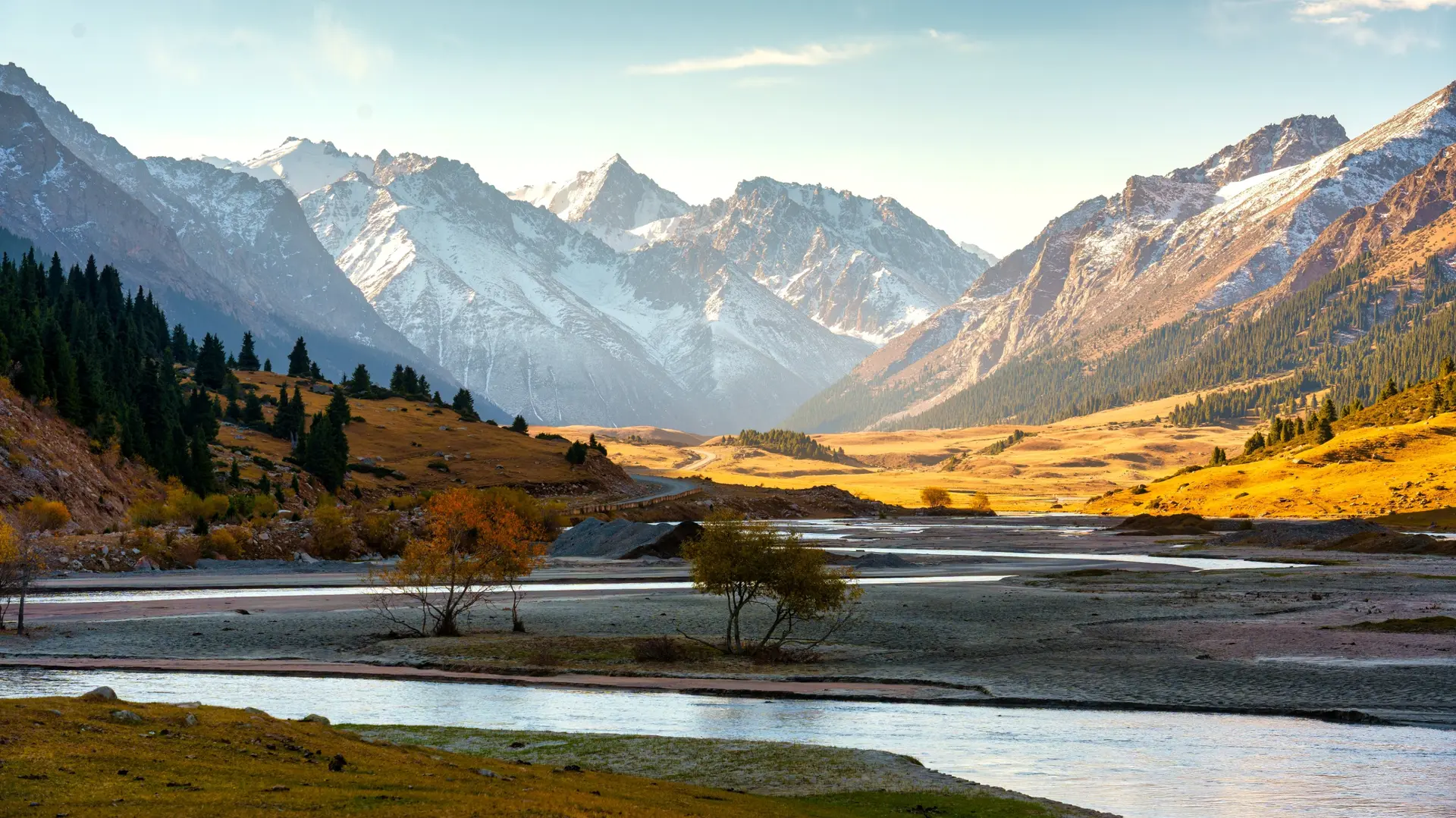
Climate Season
Travel season from mid-May to mid-October, mountain passes open June-September, cold nights at altitude even in the height of summer.
2 articles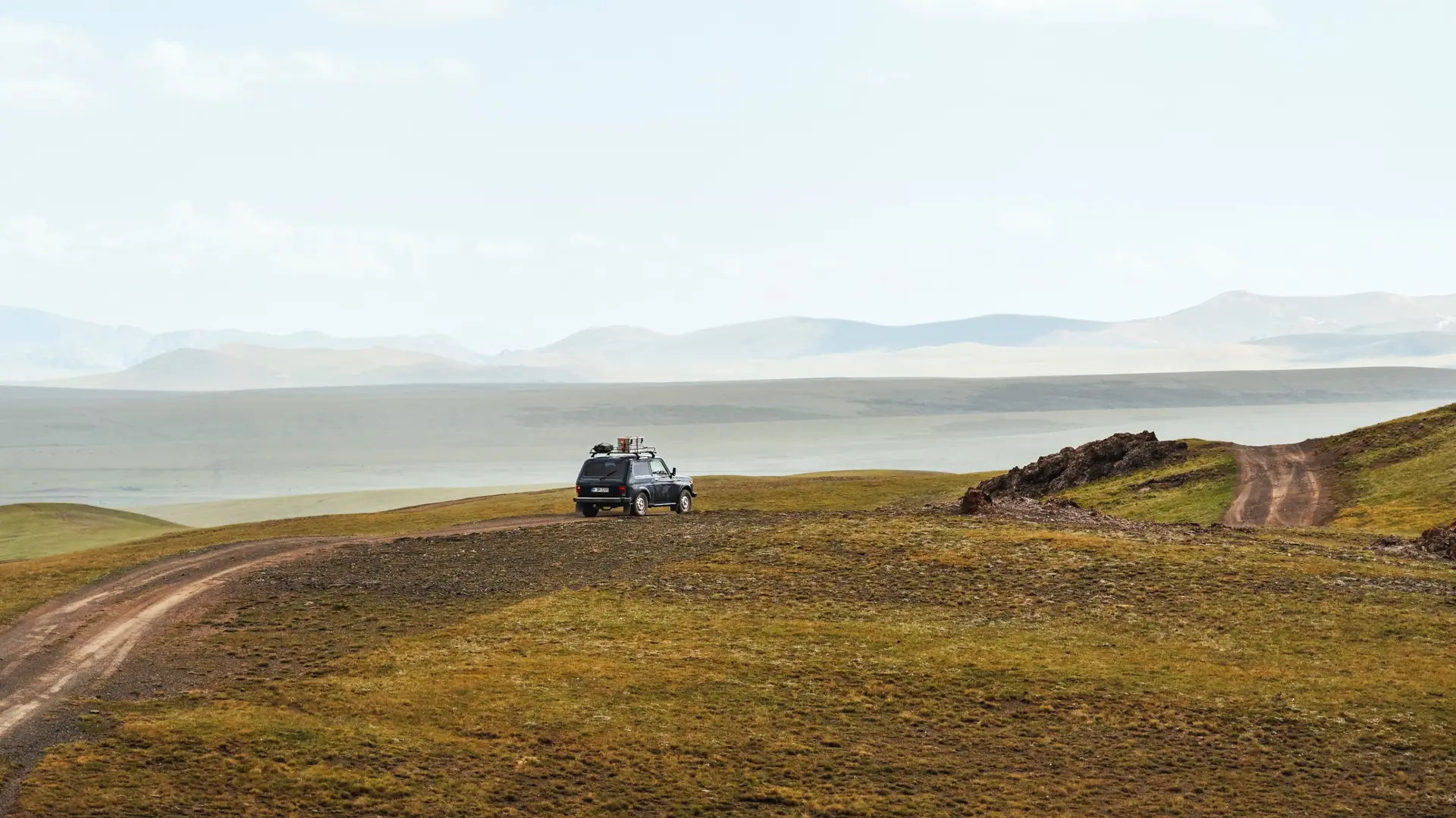
Transports
4x4 with driver on mountain tracks, Bishkek-Osh flight to save 12 hours of driving, shared minibuses in town.
1 article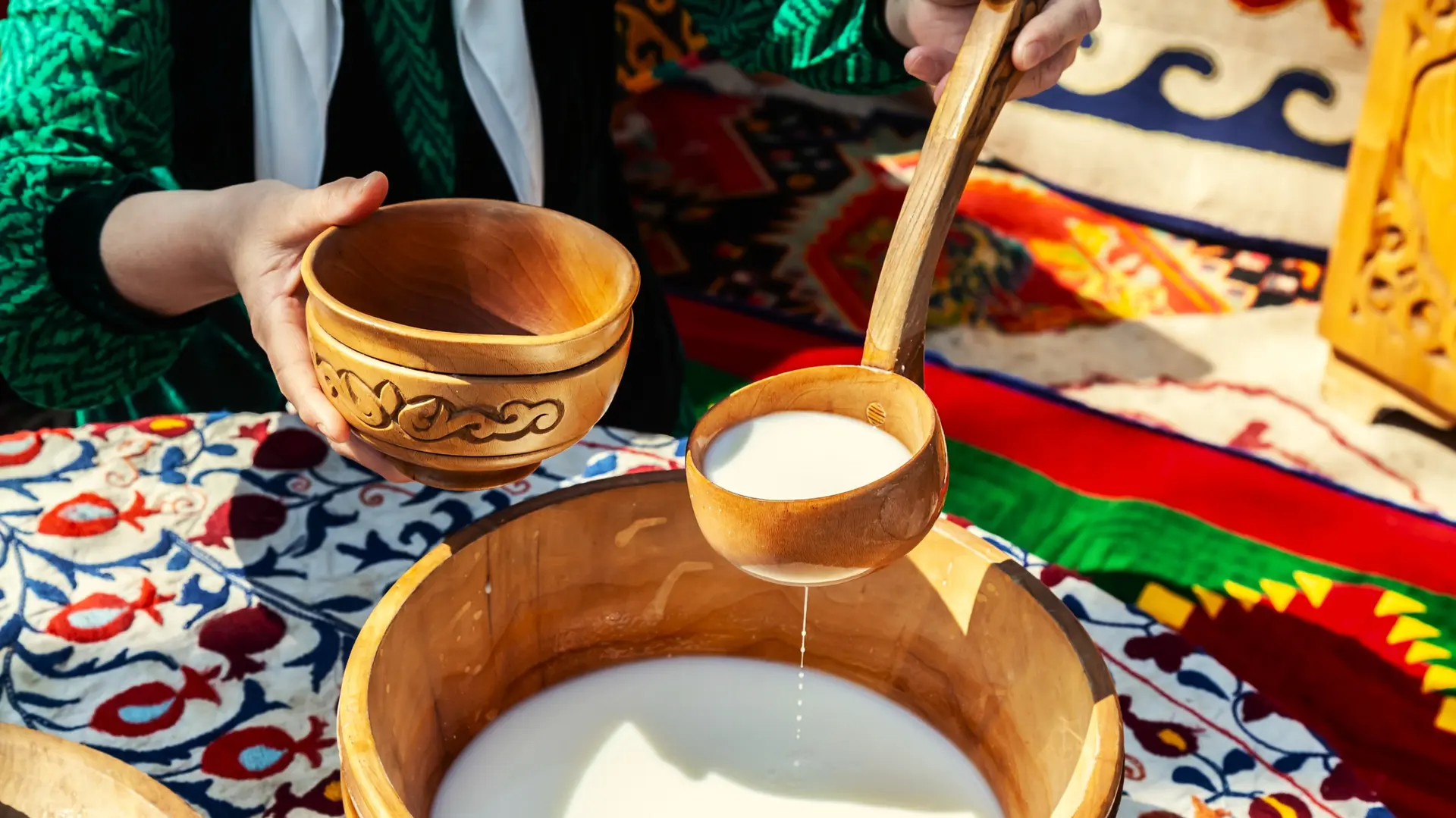
Culture
Nomadic codes in yurts, two-handed greetings, removing your shoes, not refusing tea or kumis.
5 articles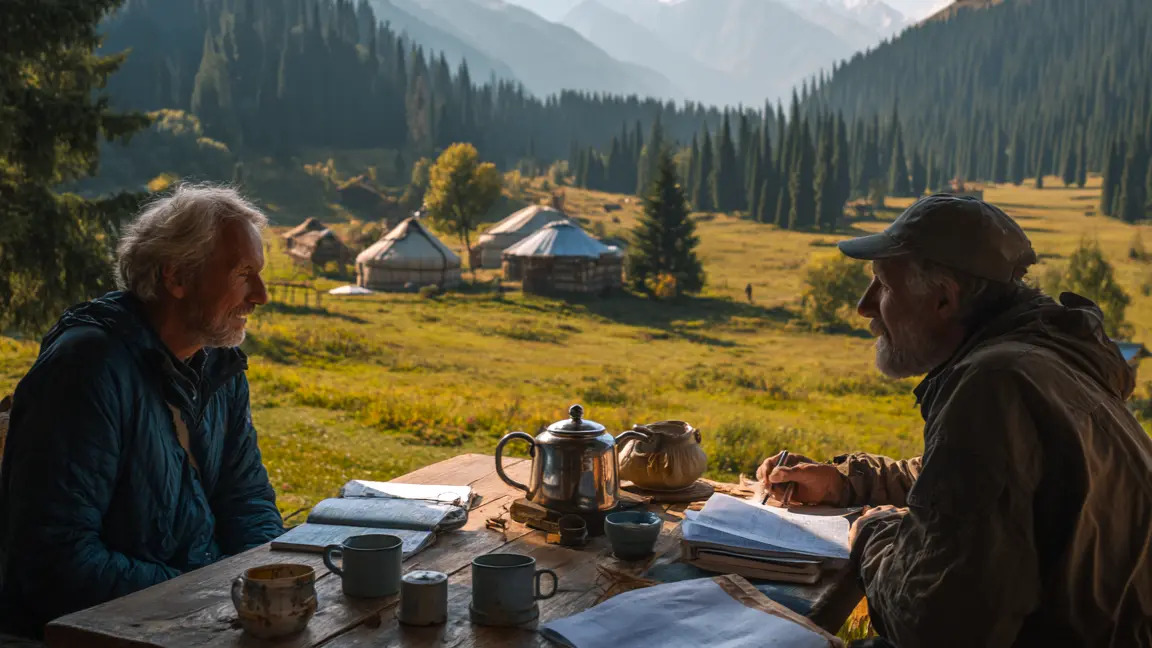
Useful Tips
Bottled water, 220V electricity with European outlets, 4G network in main valleys, well-stocked pharmacies in Bishkek.
4 articlesAll practical guides
Search and filter among 17 articles


17 of 17 results
Frequently asked questions
The answers to the most frequently asked questions from our travellers.
Visitors should check visa requirements with the embassy or consulate of Kyrgyzstan in their country of residence, as conditions vary depending on nationality. Generally, a passport valid for at least 3 months beyond your return date is required upon arrival at Manas International Airport (Bishkek) or Osh. No immigration form has been required since 2020. For stays longer than the visa-exempt period or for a work visa, applications can be made through the embassy or via e-visa on the official portal (approximately 50 USD, processing time 3 business days). If combining travel with Uzbekistan or Tajikistan, verify entry requirements for each country separately.
No vaccine is mandatory to enter Kyrgyzstan. However, we recommend being up to date on DTP (diphtheria-tetanus-polio), hepatitis A, and typhoid, which are standard for Central Asia. For treks in coniferous forests between May and September, tick-borne encephalitis vaccination is advised, with a vaccination schedule to be started 2 months before departure. Rabies can be discussed if you plan extended stays in isolated rural areas. There is no malaria in Kyrgyzstan, as altitude and continental climate eliminate the risk. Consult an international vaccination centre 6 to 8 weeks before departure. We have a list of reliable clinics in Bishkek available should you need medical services on site.
Excluding your international flight, budget between 60 and 90 euros per day per person for an organized trip with comfortable accommodation, meals, private 4x4 transport and a guide. For simpler travel in guesthouses and family yurts, the budget is around 40 to 50 euros per day. A night in a yurt with full board is around 25 euros per person, a meal in a Bishkek restaurant between 5 and 12 euros, and fuel costs around 0.70 euros per liter. Cultural visits are inexpensive (Tash Rabat entrance 2 euros). Budget additionally for horseback riding (40 euros per day with guide) and domestic flights (80 euros Bishkek-Osh).
The ideal travel window extends from mid-June to early September, when yurts are set up at Song-Köl and the Tian Shan, and when all mountain passes are accessible. July and August offer the most stable temperatures (20 to 25°C at altitude, 30°C in the plains), but the most popular sites become crowded. Mid-June and September remain excellent, quieter, with occasional early snows at altitude from late September onwards. May and October are suitable for Bishkek, Issyk-Kul and the lower valleys, but the high plateaus remain inaccessible. Winter (November-March) is reserved for skiing at Karakol and Jyrgalan. Avoid April and early May, a muddy season with snowmelt.
A 4x4 with a driver remains the most effective way to travel throughout the country. Main roads (Bishkek-Issyk-Kul, Bishkek-Naryn) are paved, but access to Song-Köl, Tash Rabat, Sary-Tash or Altyn-Arashan requires an all-terrain vehicle and a driver familiar with mountain tracks. A domestic flight Bishkek-Osh (1 hour, 80 euros) saves 12 hours of driving over the Töö-Ashuu pass. For tight budgets, marshrutkas (shared minibuses) connect major cities for 5 to 10 euros. In town, Yandex taxis work well in Bishkek. Train travel is negligible. Distances appear short on the map but mountain passes significantly slow traffic, so allow plenty of time in your itinerary.
Kyrgyzstan ranks among Central Asia's safest destinations for foreign travelers. Crime against tourists is rare, and nomadic hospitality remains a cultural cornerstone. Standard precautions are recommended in Bishkek and Osh in the evening (official taxis, minimal visible cash). Avoid border areas with Tajikistan in the Batken region without accompaniment, as sporadic tensions can occur there. Mountain roads require an experienced driver, especially after rainfall. Altitude remains the primary physical risk: plan for 2 days of acclimatization before any strenuous activity above 3,000 meters. Our team in Bishkek monitors the situation in real time and remains available 24/7 to adjust your itinerary if necessary.
Ready to travel to Kyrgyzstan?
Discover our tailor-made itineraries, designed by our local team. Each route adapts to your pace, your preferences and your travel season.
See our toursWe use cookies to improve your experience and measure our site's audience. You can choose what you accept. Learn more.