Where to Buy Souvenirs in Kyrgyzstan?
Your trip to Kyrgyzstan is coming to an end, but there's no way you're heading home empty-handed!
Your trip to Kyrgyzstan is coming to an end, but there's no way you're heading home empty-handed!
After an extraordinary journey through breathtaking landscapes, it would be a shame not to bring back a few souvenirs for yourself or your loved ones to capture the essence of your stay. In Kyrgyzstan, souvenir ideas abound, but knowing where to find them is another matter.
To make your search easier, here are some must-visit addresses for finding travel mementos.
Essential addresses in Bishkek
Shopping mall and market gallery: TSUM
Located at 155 Chuy Avenue, Bishkek, the TSUM shopping mall and market gallery is an essential stop for finding souvenir gifts during your trip to Kyrgyzstan.
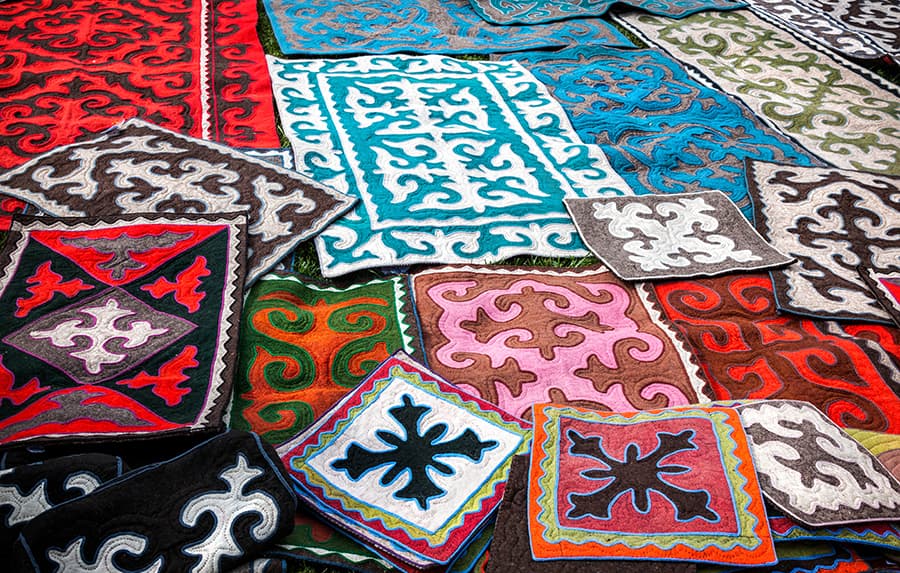
This marketplace overflows with items that are both unique and authentic, perfect for remembering the best moments of your time in this country. You'll discover, for example, string instruments typical of the region or hand-crafted felt objects. And if you have time to spare, you're bound to unearth unusual treasures that will make perfect mementos of your journey through this corner of Central Asia.
The center is open Monday to Friday from 8am to 8pm and Sunday from 10am to 6pm.
Osh Bazaar
For more traditional souvenir items from your stay in Kyrgyzstan, Osh Bazaar is the perfect place to hunt for hidden gems. Located west of the capital Bishkek, this venue is renowned throughout the country as the ideal spot for finding gifts to bring home for friends and family. Like most Central Asian markets, this bazaar is divided into different sections. Among its many areas, there's one dedicated to souvenirs where you'll find numerous artisanal products.
You can easily opt for culinary souvenirs by bringing back a few packets of spices, dried fruits, or typical candies.
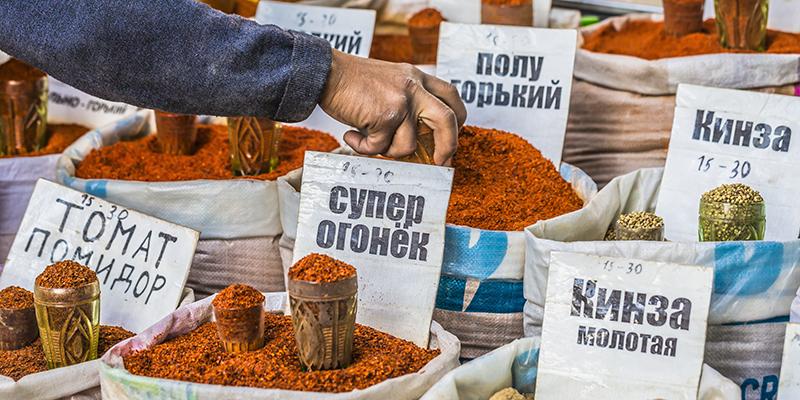
The market is open daily except Mondays, when it closes for cleaning.
Art gallery
If you'd like to bring back works of art as a souvenir from your journey through the Kyrgyz Republic, head to the Bishkek art gallery. Situated just steps from the main square, you'll find numerous beautiful paintings at very affordable prices.
Finding souvenir gifts in the city of Kochkor
Kochkor is a charming small town situated on the road to one of Kyrgyzstan's most popular destinations, the « Song Kul Lake ». This town is home to several shops selling high-quality artisanal products at competitive prices. For instance, felt carpets, children's toys, or traditional hats. Moreover, by purchasing these products, you directly support the local economy.
Traditional items on the shores of Lake Issyk-Kul
If there's one destination you absolutely cannot miss in Kyrgyzstan, it's Lake Issyk-Kul. It's known for hosting the country's only beach resort on its North Shore, Cholpon Ata. This town is crossed by a main street flanked on both sides by small stands selling handmade articles that will undoubtedly make wonderful vacation souvenirs.
SaveSaveSaveSaveSaveSave
Frequently asked questions
Kyrgyzstan is renowned for its felt crafts: carpets, bags, and traditional hats (ak-kalpak). You can also bring back spices, dried fruits, string instruments like the komuz, or paintings by local artists.
Osh Bazaar is located west of the capital Bishkek. It's open daily except Mondays, which are reserved for cleaning. It's one of the best places to find artisanal products and culinary souvenirs such as spices or traditional candies.
Yes, negotiation is a common practice at Kyrgyz markets and bazaars. It's advisable to engage in conversation respectfully and propose a reasonable price, keeping in mind that these purchases directly support the local economy.
Yes, the town of Kochkor, on the road to Song-Kul Lake, offers quality craft shops at competitive prices (carpets, toys, traditional hats). The shores of Lake Issyk-Kul, particularly in Cholpon-Ata, also host numerous stands selling handmade souvenirs.
It is recommended to check current regulations with French customs before departure. Generally, food products such as spices must comply with European health standards, and certain antique items may require an export certificate.