Complete Guide to Kyrgyzstan
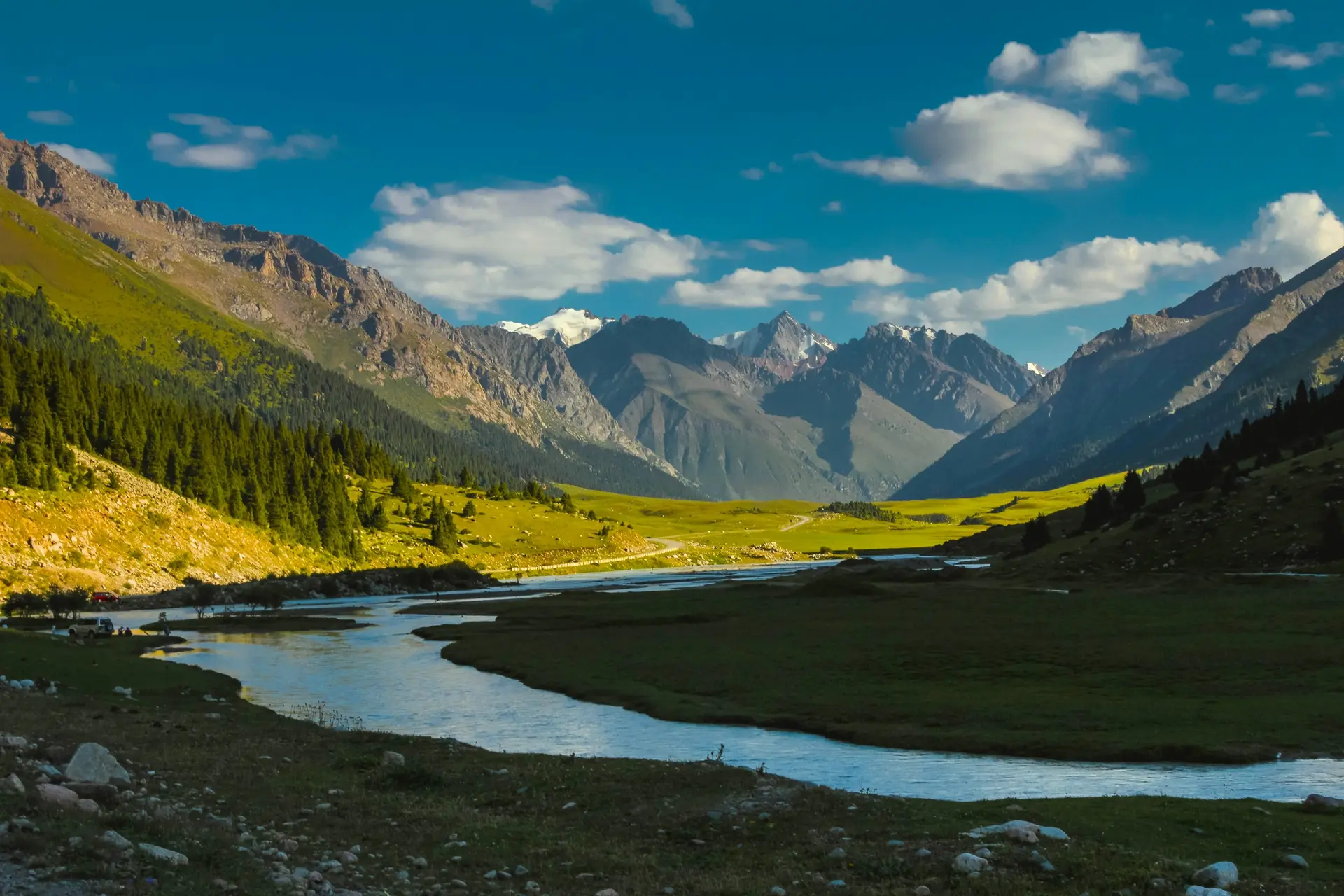
Kyrgyzstan fits into a simple equation: 94% of the territory above 1,000 metres, and a nomadic culture still thriving each summer in the high-altitude pastures, the jailoo. From Bishkek, our team organises trips that cross four major regions. The North, around Lake Issyk-Kul, the world's second largest mountain lake, offers shingle beaches and quick access to the Jeti-Ögüz gorges. Further east, the Karakol region opens onto the valleys of Altyn-Arashan and Jyrgalan, trekking and horseback terrain between 2,500 and 3,800 metres.
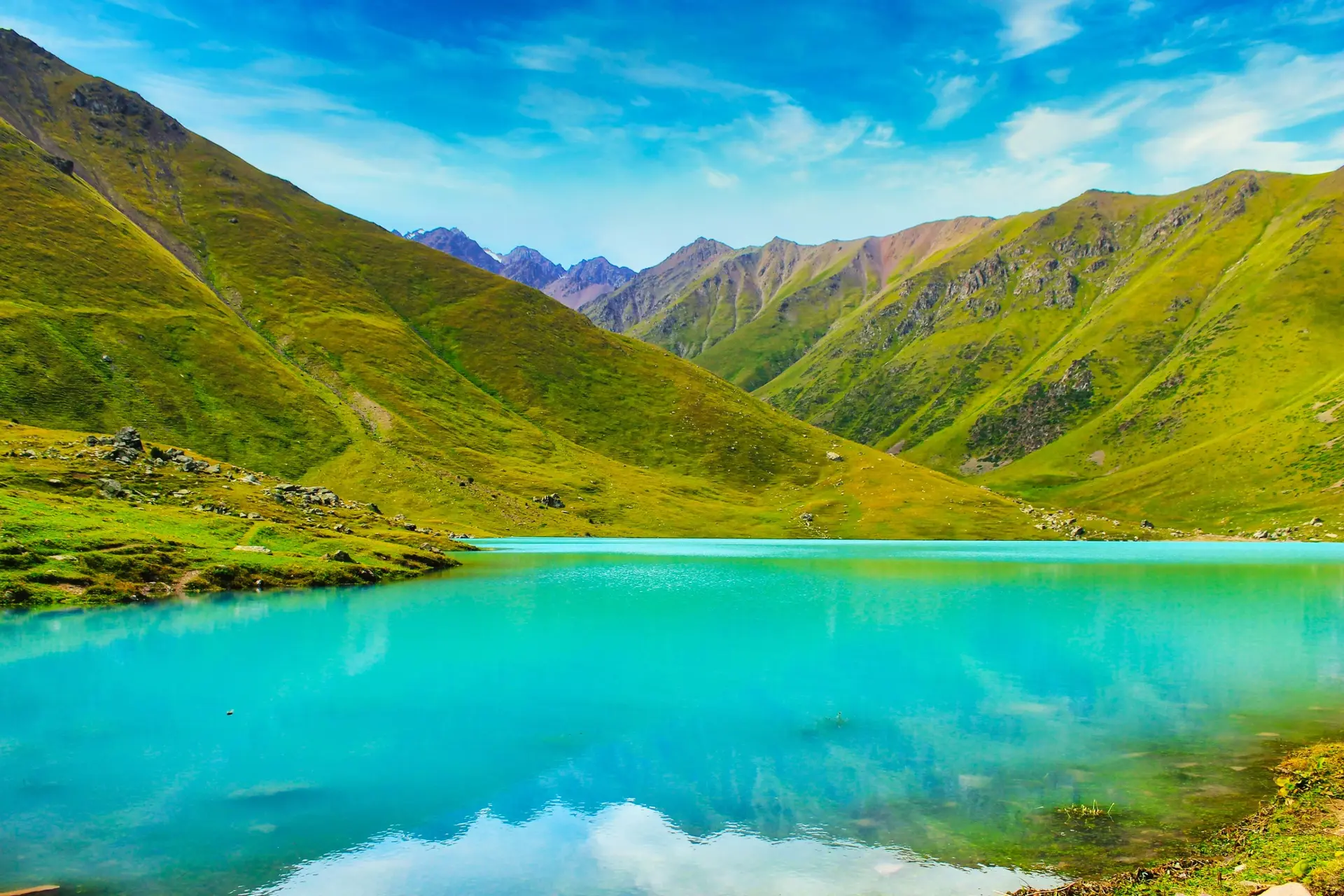
The country's centre is dominated by the Tian Shan massif and the alpine lake Song-Köl, at 3,016 metres, where herding families pitch their yurts from mid-June to early September. It's here you sleep under felt, drink koumis (fermented mare's milk) and witness traditional horse games. In the south, the Fergana valley and the city of Osh, a thousand-year-old waypoint on the Silk Road, mark the entrance to Uzbek and Persian territory, with its bazaar and the sacred mountain Sulayman-Too.
Kyrgyzstan is explored almost exclusively between late May and mid-September, the window when mountain passes are open. Allow a minimum of 12 days for a first trip combining Issyk-Kul, Song-Köl and a southern loop. Beyond that, treks to Lenin Peak or the central Tian Shan demand 18 to 21 days.
The regions of Kyrgyzstan
Each region has its own personality: climate, landscapes, pace of life and ways of traveling. Our local team helps you choose the combination that suits you.
Lake Issyk-Koul
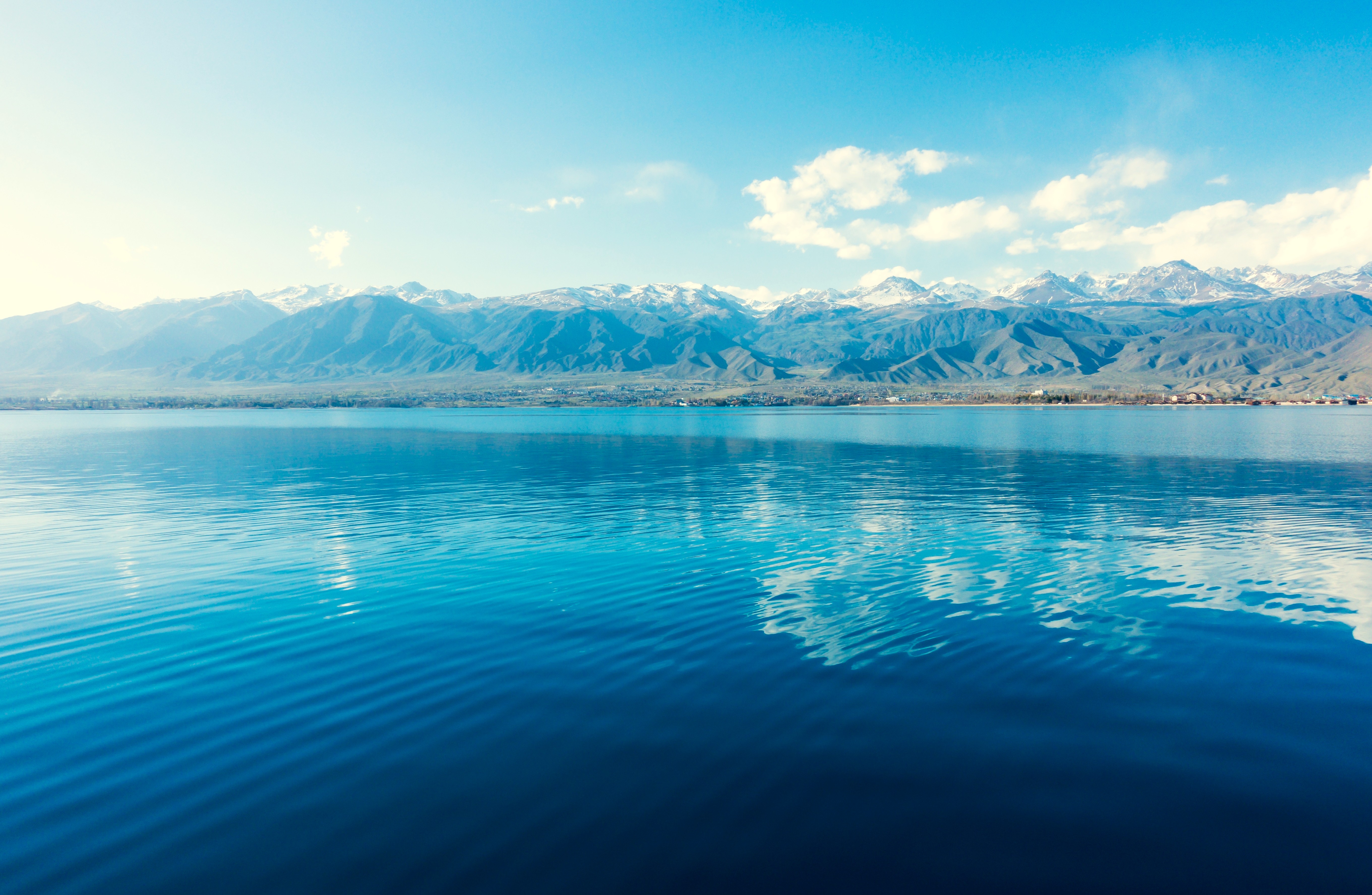
At 1,607 meters above sea level, Issyk-Kul never freezes despite winters reaching -20°C, hence its name meaning "hot lake" in Kyrgyz. The northern shore, around Cholpon-Ata, concentrates beaches and Bronze Age petroglyphs. The wilder southern shore provides access to the red canyons of Jeti-Ögüz and Barskoon Valley. Karakol, at the eastern tip, serves as a base camp for treks to Altyn-Arashan and its hot springs at 2,600 meters. It's also here where you can taste ashlyan-fu, a cold Dungan soup, at the Sunday market.
Song-Köl and Naryn
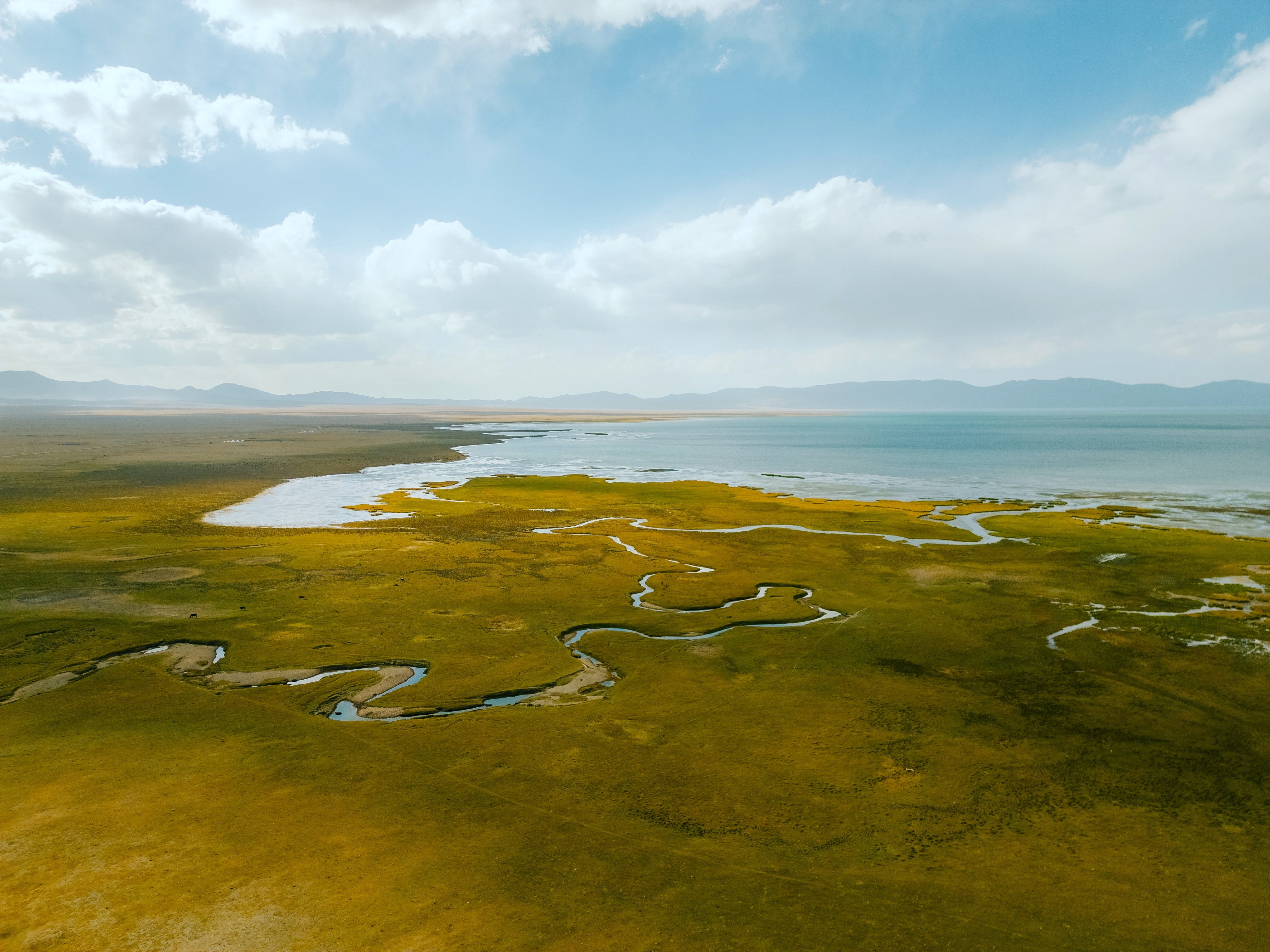
Song-Köl is the vast high-altitude lake plateau of central Kyrgyzstan, perched at 3,016 meters and accessible only from mid-June to late September. Herders bring their livestock and yurts here, and it is one of the rare places where you sleep in full family immersion, with shared meals and equestrian demonstrations. Further south, the town of Naryn opens onto the Tash Rabat caravanserai (15th century) and the Torugart Pass toward China. Nights drop to 5°C even in July, so pack a sleeping bag rated to -5°C.
Tian Shan Central
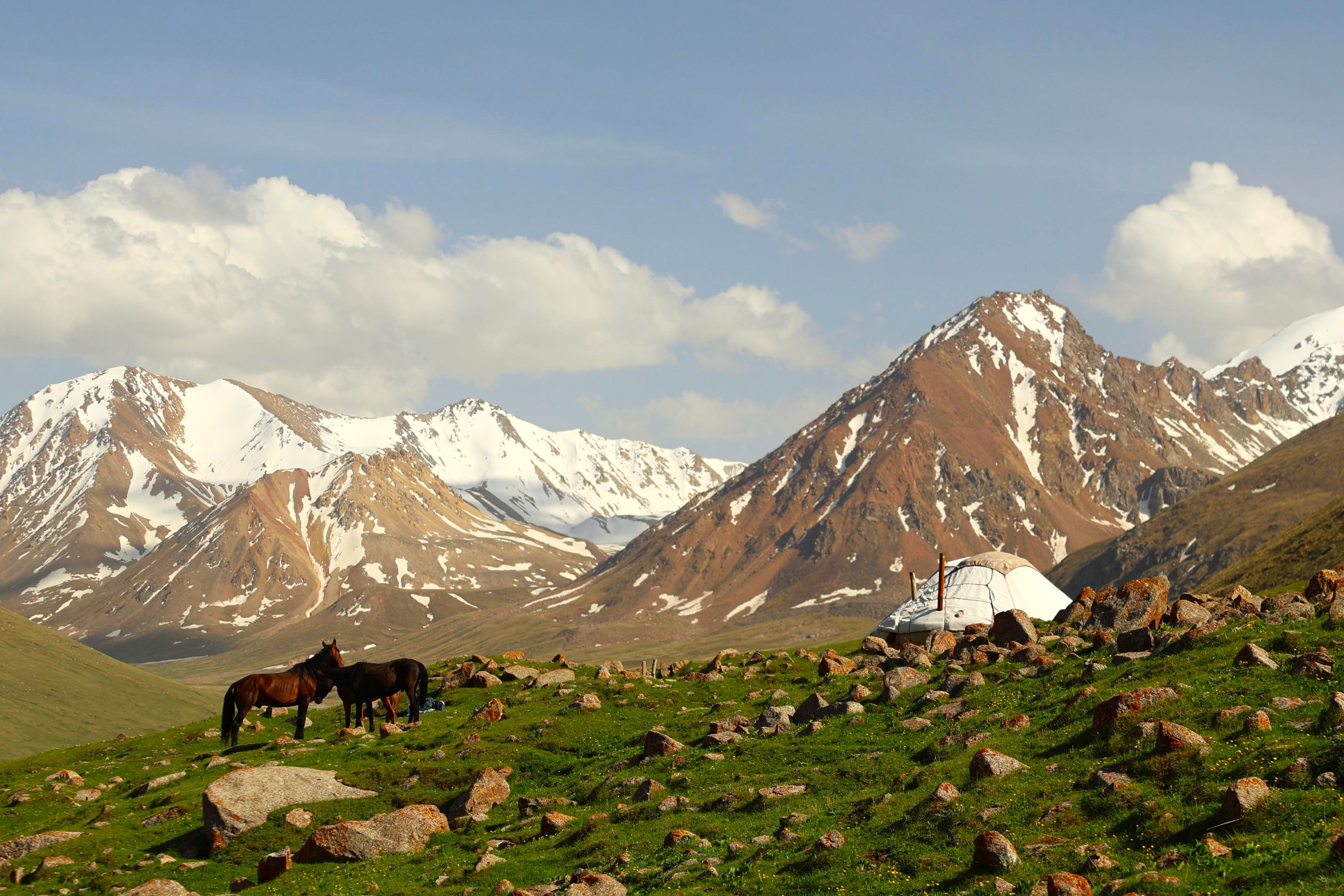
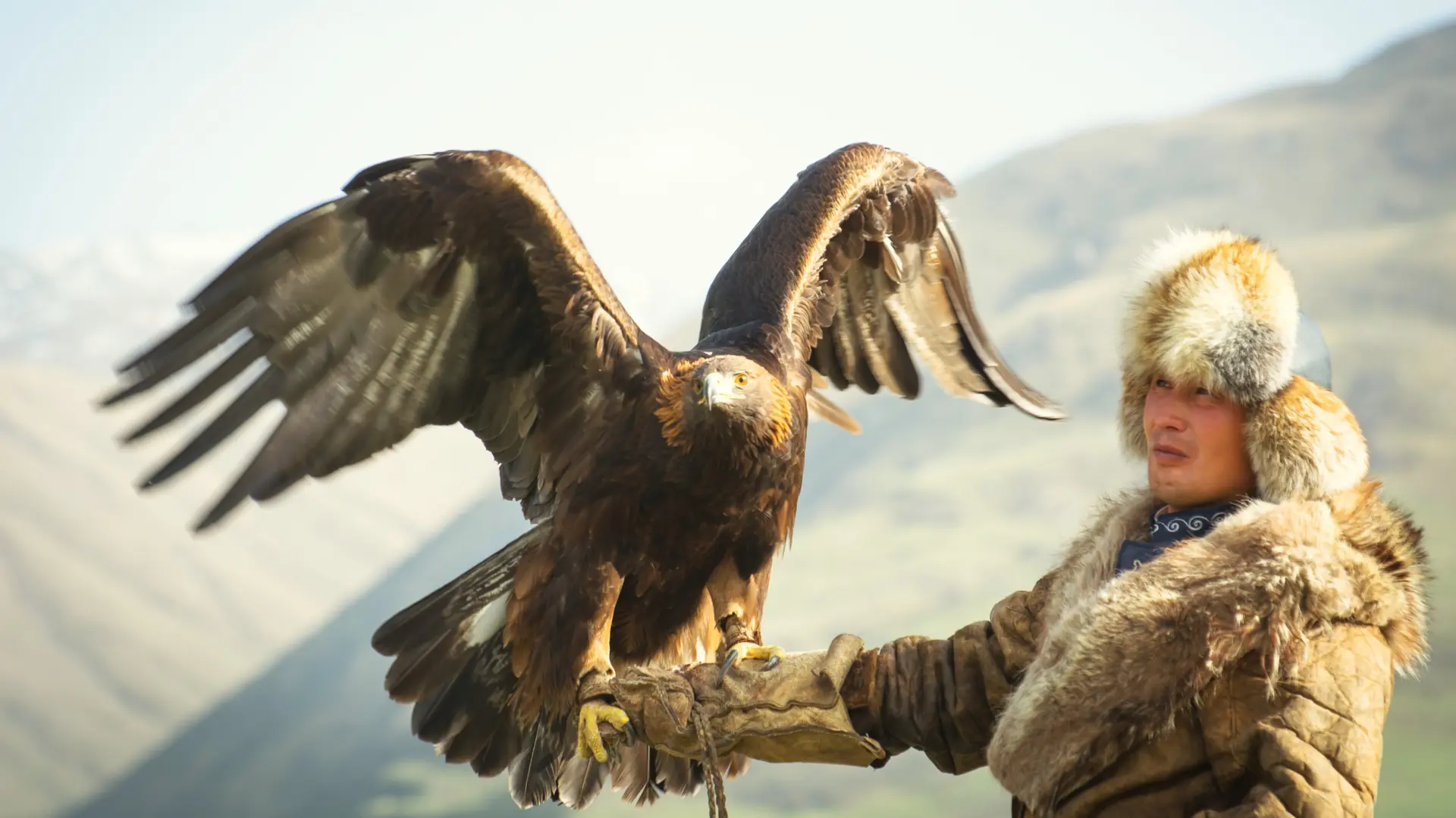
The central Tian Shan range is home to Khan Tengri peak (7010 meters) and Pobeda peak (7439 meters), accessible from Karakol by helicopter or long trek. For non-mountaineers, the valleys of Jyrgalan, Inylchek and Engilchek offer 4 to 8-day treks between 2800 and 3800 meters, along recently marked trails. Wildlife still includes a few snow leopards, but you're more likely to encounter marmots, ibex and golden eagles. Passes often exceed 3500 meters: acclimatization is essential.
Och and the South
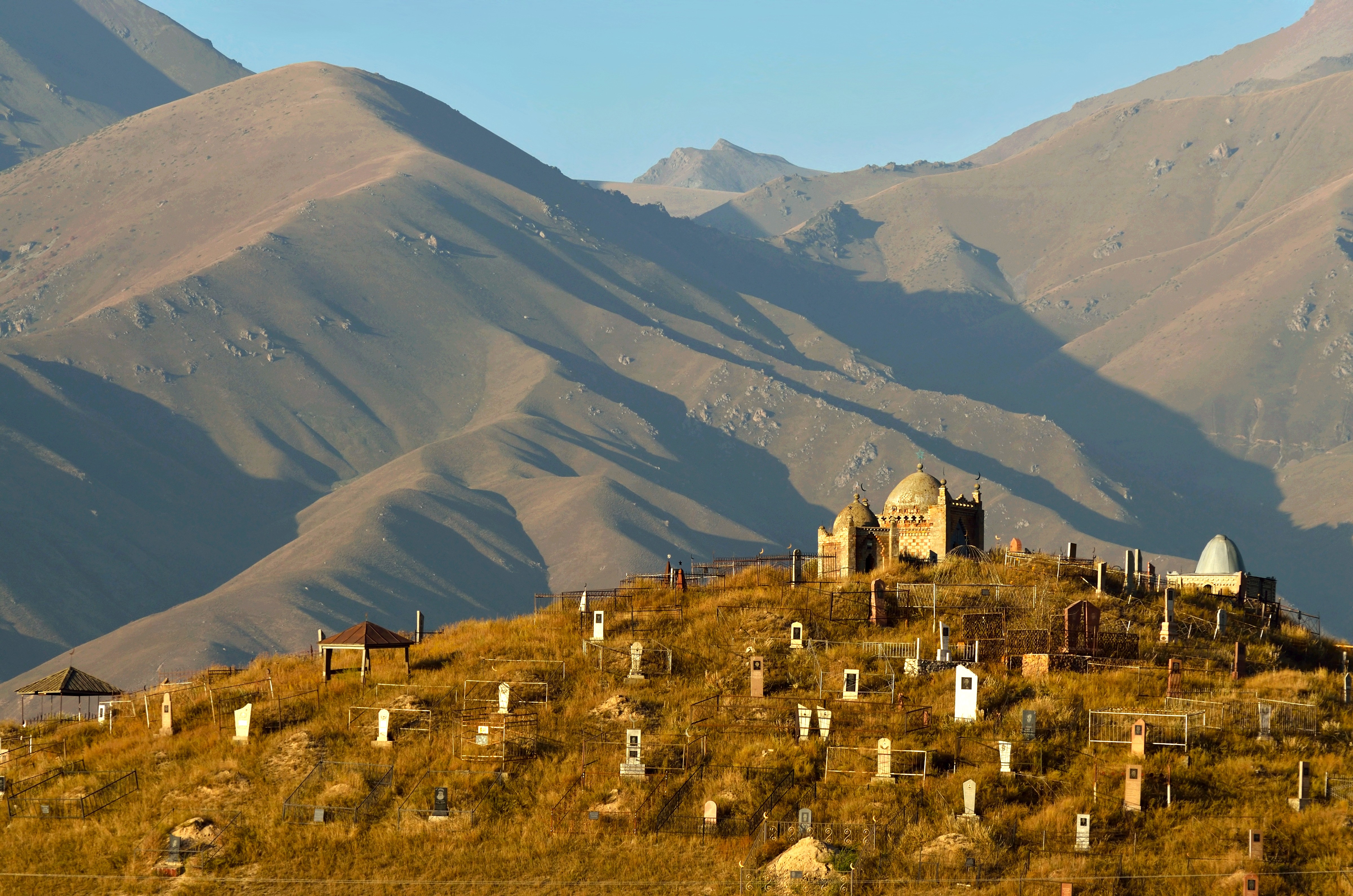
Och is the country's oldest city, with 3,000 years of history at the foot of Mount Sulayman-Too, a UNESCO World Heritage site. Jayma Bazaar, stretching for a kilometer along the Ak-Bura river, mingles Kyrgyz, Uzbek, and Tajik peoples and remains one of Central Asia's most vibrant markets. Beyond Och, the Alay Valley opens onto Lenin Peak (7,134 meters) and the Tajik border. The climate here is warmer, reaching up to 35°C in July on the plains, ideal for combining with the high-altitude cold of the Tian Shan.
Bishkek Region
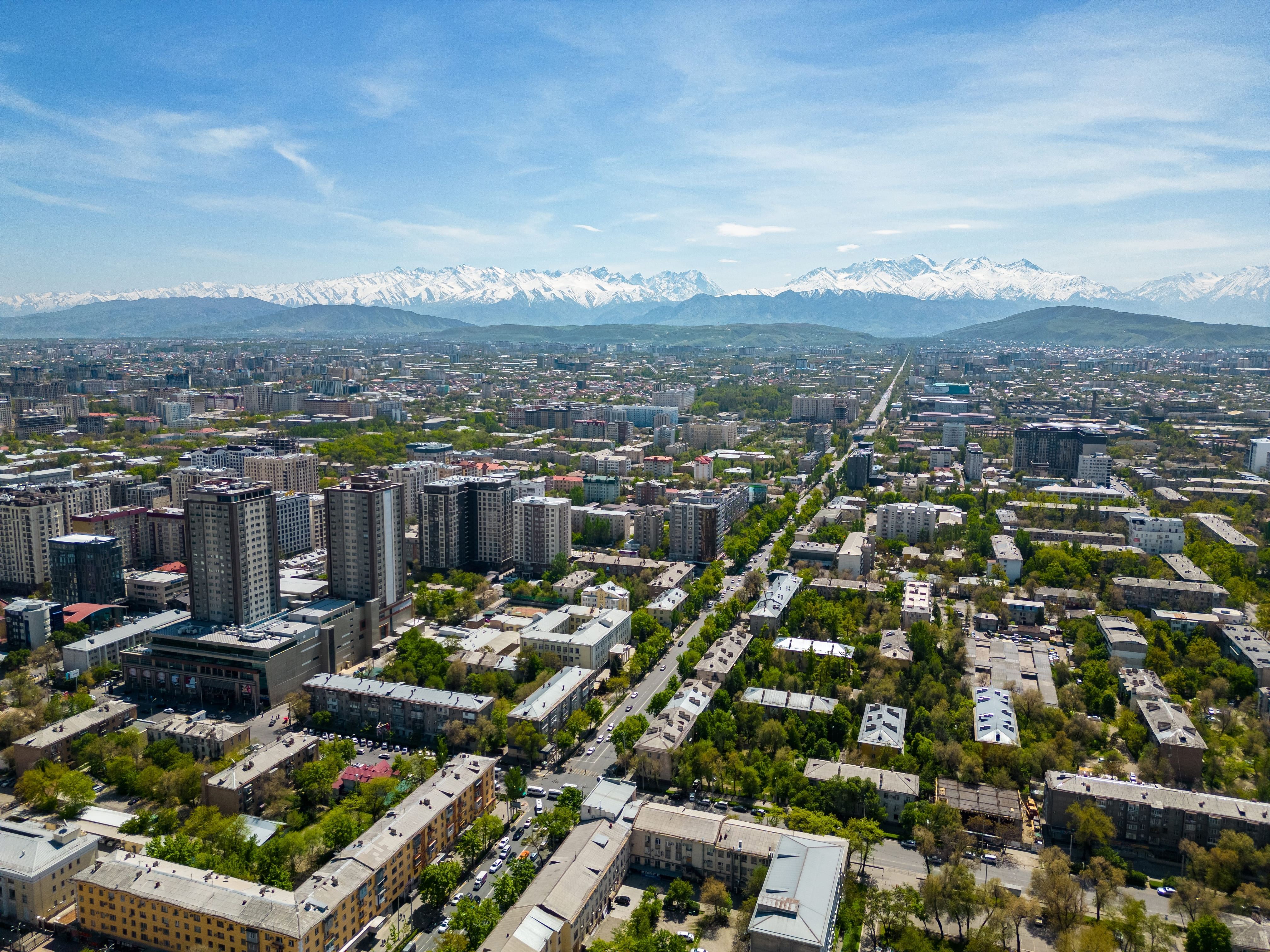
Bishkek, the capital, serves as an entry point and breathing space at the beginning or end of your journey. Wide avenues inherited from Soviet urbanism lead to Osh Bazaar and the National History Museum. An hour south, Ala-Archa National Park offers a first acclimatization hike between 1,600 and 3,500 meters, with an evening return to the city. It is also from Bishkek that our English-speaking team finalizes briefings, adjusts itineraries according to mountain pass conditions, and organizes transfers to the valleys of the north or south.
Explore by theme
Unique experiences tailored to every traveler.

We use cookies to improve your experience and measure our site's audience. You can choose what you accept. Learn more.