The 7 Most Beautiful Lakes of Kyrgyzstan
At the heart of the Celestial Mountains (Tian Shan), Kyrgyzstan raises its peaks beyond the clouds. A magnificent territory where mountains reign supreme.
Land of the Celestial Mountains (Tian Shan), with its spectacular summits that cover over 90% of the territory and rise beyond the clouds to heights exceeding 7,000 meters, Kyrgyzstan is the ideal destination for mountaineering enthusiasts, trekkers, and nature lovers.
The country is home to more than 2,000 mountain lakes, some of which are renowned worldwide for their unparalleled beauty. Lift your gaze from the white and dizzying mountains to admire waters in shades of green, turquoise, and blue. You can organize your journey around discovering these lakes, taking advantage of opportunities to swim, boat, or hike to these pristine waters. Here are some of Kyrgyzstan's most stunning lakes.
Issyk Kul: Kyrgyzstan's Largest Lake
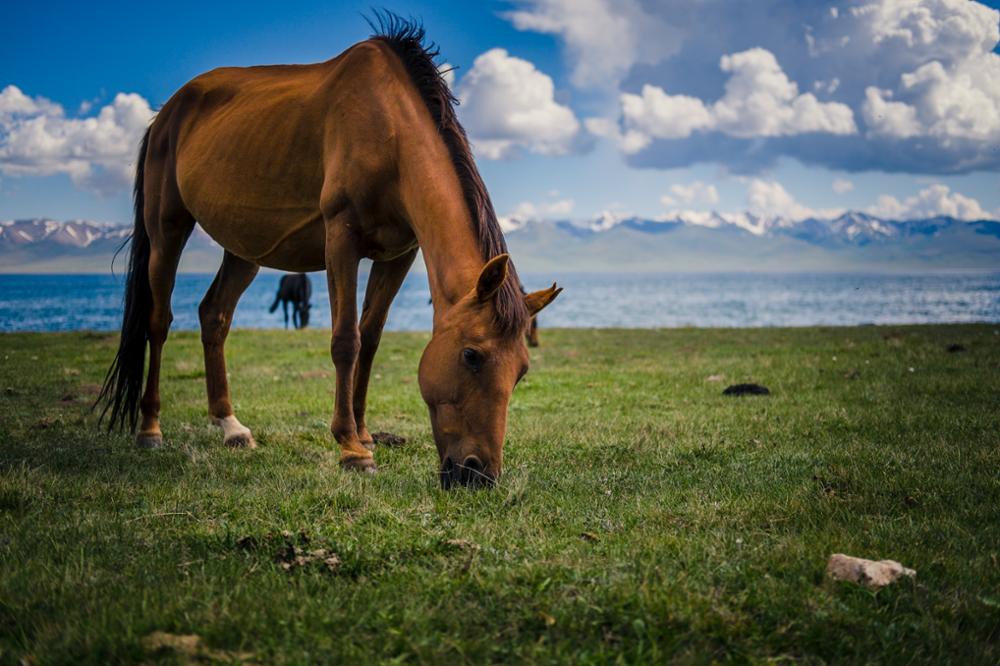
If there were only one must-see destination in Kyrgyzstan, it would undoubtedly be Issyk Kul (also written Yssyk Kol, Issyk Koul, or Issyk Kol). This is a vast alpine lake, the world's second largest, stretching across an impressive expanse of the country. The lake is so wide that you cannot see the opposite shore—only the towering snow-capped mountains surrounding it remind you that this is not a sea.
Located at 1,608 meters altitude, it reaches a maximum depth of 702 meters. The lake is magnificent and rich in mysteries. It appears to be shrinking year after year. The tomb of the great explorer Nikolai Przhevalsky in Karakol testifies to this: this lover of Kyrgyzstan requested to be buried in 1888 on the lakeshore so that the waves would reach him. Visit today, and you'll see that the lake now sits approximately one kilometer lower.
By diving, you may have the chance to observe the walls and artifacts of an ancient city, now submerged beneath the waters.
Slightly saline, Issyk Kul never freezes, despite its high altitude and harsh Kyrgyz winters. This is actually what gave it its name of "warm lake." You'll be surprised by the water's clarity, which allows you to see the bottom several meters down.
Journey around Lake Issyk Kul to enjoy its beaches on the northern shore, visit historic sites, trek through the splendid valleys surrounding it, and discover local culture in the small villages along its southern coast.
Son Kul: Summer Pastureland
An unparalleled landscape awaits you at Lake Son Kul, a small gem of Kyrgyzstan nestled at 3,016 meters altitude. In fact, this lake is often featured in postcards and tourist guides of the country.
Lake Son Kul serves as summer pasture for Kyrgyz shepherds and their herds of horses, sheep, and yaks. They move here for three or four months when temperatures warm. Although Kyrgyz people are now settled, shepherds continue to practice transhumance during the warmer months, providing fresh grass for their semi-wild livestock.
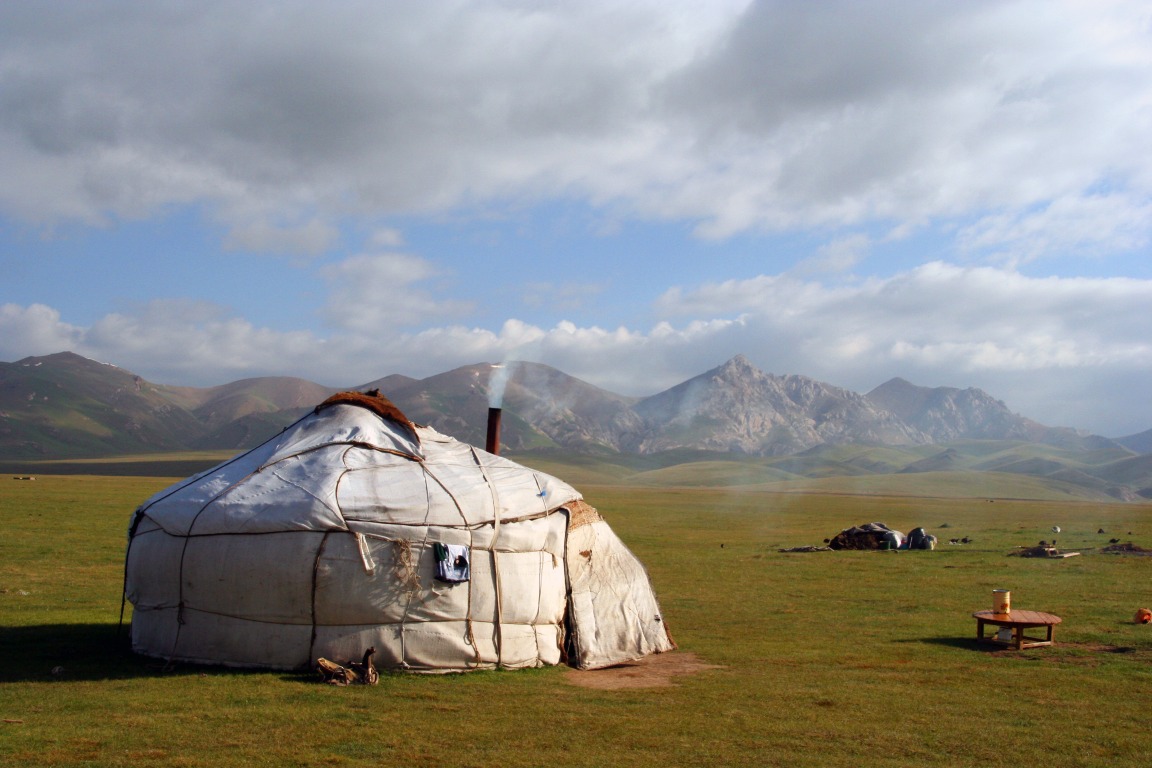
Lake Son Kul remains highly isolated and peaceful: there is no electricity, internet connection, telephone service, or permanent structures. Locals set up their yurts for the season, and you'll spend the night in one of these traditional dwellings. Roads accessing the lake are blocked by snow for much of the year.
Son Kul is Kyrgyzstan's second largest lake, but with a maximum depth of only thirteen meters. It sits above a glacier: the water remains quite cold year-round.
Experience a pastoral stay at Son Kul to discover the shepherds' way of life. You can also trek on horseback to Son Kul, drawing as close as possible to nature and Kyrgyz culture.
Ala Kul: For a Rewarding Trek
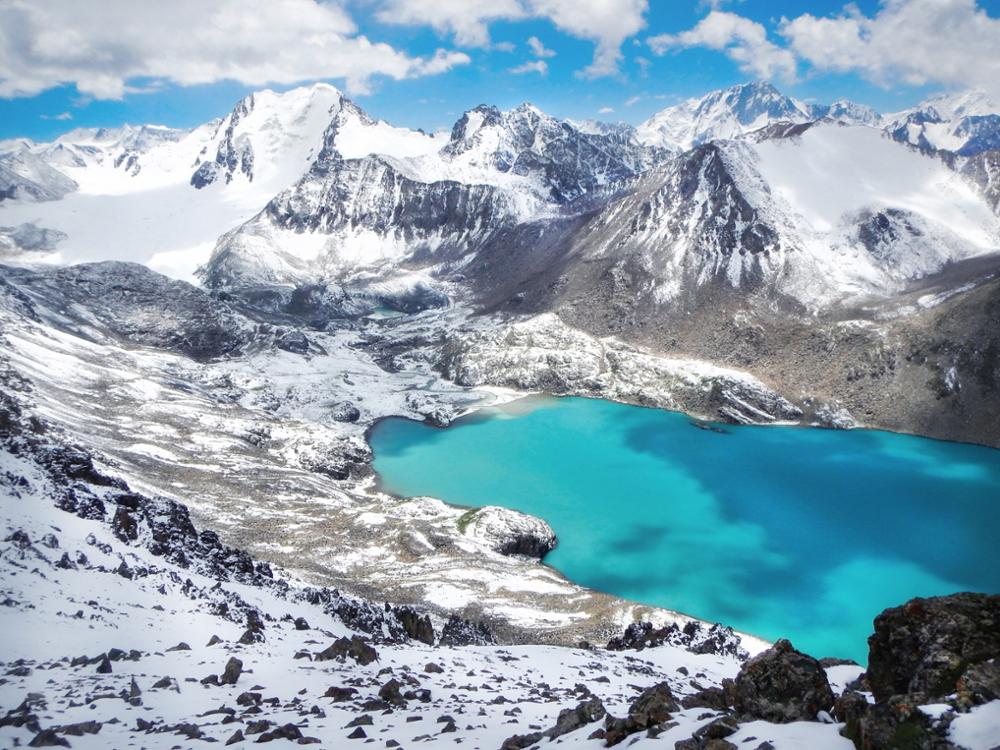
This small altitude lake is only reachable through considerable effort: plan three days for a trek from Karakol to Ala Kol, passing through the hot springs of Altyn Arashan before descending back to town. Lake Ala Kul sits at 3,560 meters altitude, in the Karakol region east of Issyk Kul. It's a cherished destination for nature enthusiasts and hikers.
Nestled between towering and dramatically sculpted peaks, Lake Ala Kul is small, covering only 1.5 square kilometers. Yet it remains one of the country's most charming lakes, thanks to the surrounding summits, the glacier feeding it, and its entrancing lunar-blue waters. As you climb the Ala Kul pass, enjoy panoramic views of the lake and mountain range, and catch a glimpse of the second small heart-shaped lake just beyond.
Merzbacher: Within the Glacier
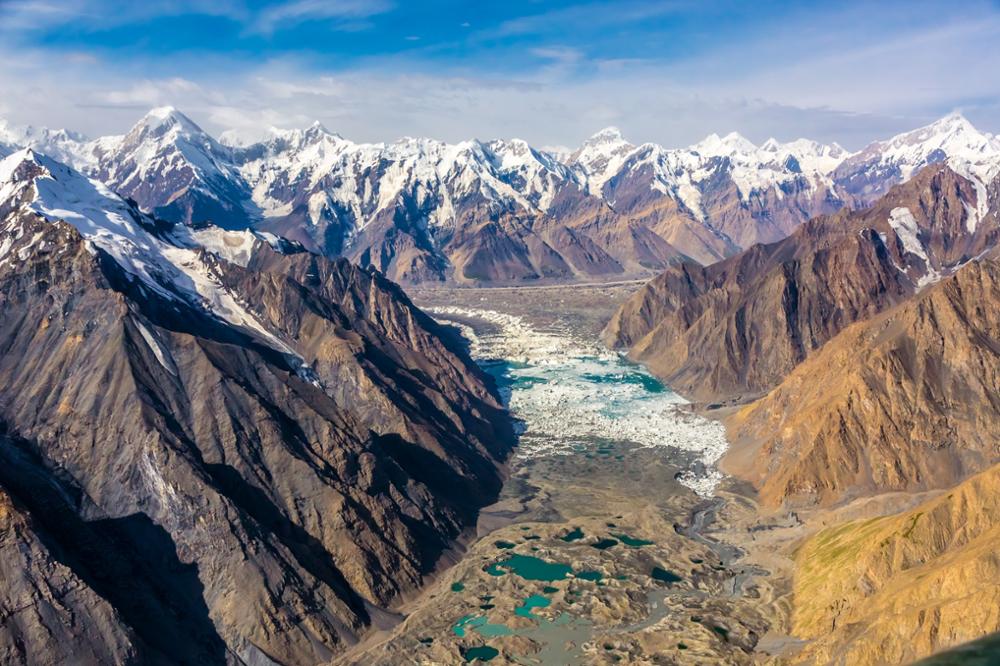
Lake Merzbacher harbors one of Kyrgyzstan's greatest mysteries. Located at the mouth of the north and east glaciers of Inylchek, at the border with China and Kazakhstan and just kilometers from the enormous peaks of Khan Tengry (7,010m) and Pobedy (7,439m), Lake Merzbacher has fascinated scientists for decades.
Indeed, this glacial lake suddenly and completely drains one or two times per year, typically in July or August. The mechanisms triggering this phenomenon remain poorly understood; furthermore, the water disappears underground or into the glacier through pathways still unknown.
The lake is as beautiful when full, with its pure water covering the ice, as when empty, with its pristine white icebergs, untouched by dust, soil, and stones for most of the year.
To have the opportunity to observe this magnificent lake and perhaps witness this phenomenon, you'll need to undertake a trek on the Inylchek Glacier or book a helicopter flight.
Chatyr Kul: Absolute Peace
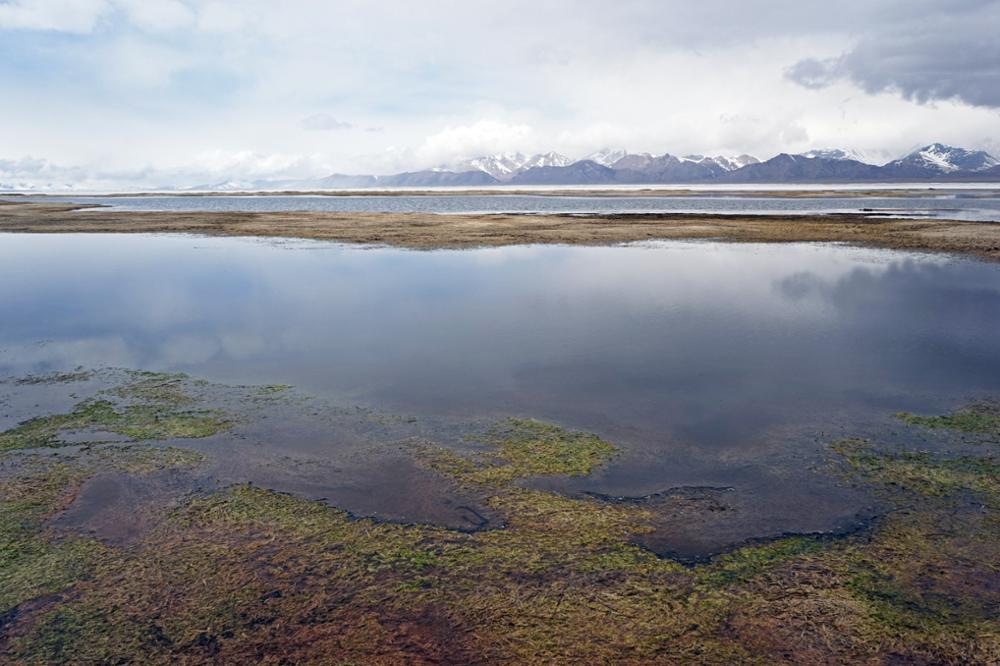
Kyrgyzstan's third largest lake, Lake Chatyr Kol sits at the border with China. It displays a pale blue hue, offering a striking contrast to the towering mountains encircling it.
Located at approximately 3,500 meters altitude, it's one of Kyrgyzstan's most remote locations, and for good reason. In winter, temperatures plummet below minus 50°C. The lake's shores are highly marshy and hazardous for adventurers and livestock. Moreover, it's a border zone with China: you'll need a border permit to visit.
A few shepherds nonetheless live here in their yurts during the warmer months. Though not easily accessible, the lake is worth the effort for the profound sense of solitude and peace it offers. If you lack a border permit, you can admire it from a pass at approximately 4,000 meters altitude. From Tach Rabat, the hike will take you eight to nine hours round-trip.
Lake Chatyr Kul, whose name translates as "celestial lake," serves as refuge for numerous rare bird species, including the bar-headed goose. Its waters host shrimp, but no fish.
Kel-Suu: An Unconventional Adventure
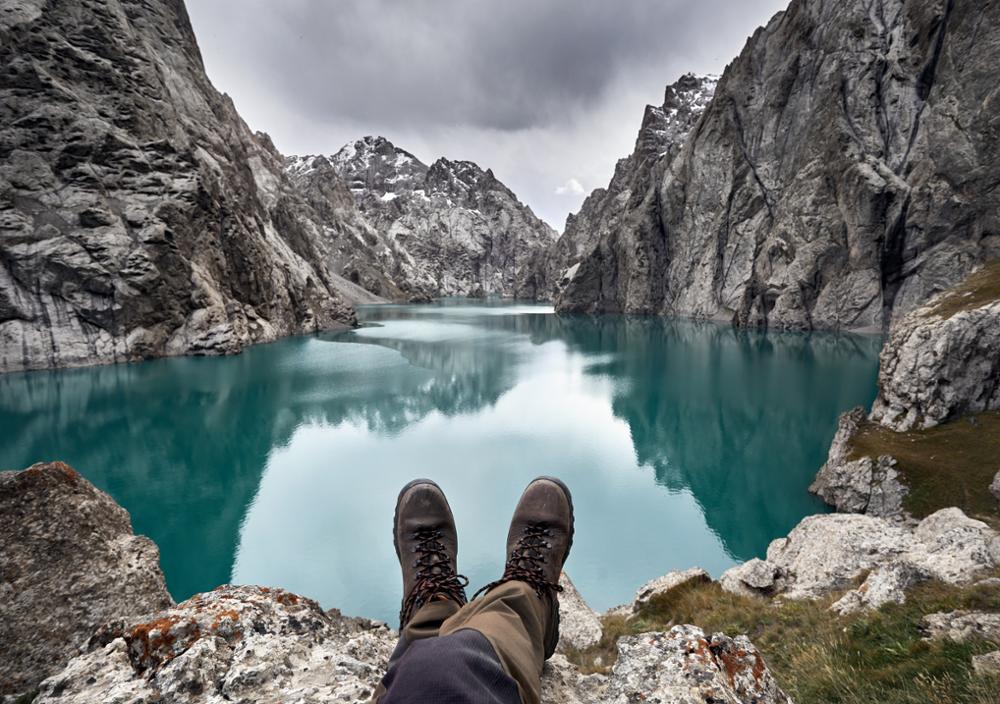
In the Naryn region, Lake Kel-Suu is one of the most difficult to reach in the country. Yet its green waters surrounded by steep cliffs inspire dreams. You'll need a capable 4x4 to reach it, and critically, due to its proximity to China, a border permit.
The narrow lake stretches approximately 12 kilometers long, winding between the towering cliffs and mountains surrounding it. It is dominated by Peak Sary-Beles, at 4,726 meters altitude. A few shepherds spend summer slightly lower in the valley: you can stay overnight in their yurts.
Fascinatingly, Lake Kel-Suu disappears during winter. It then lies beneath a layer of ice. It fills with snowmelt, among other sources, but not consistently. Even in summer, it can be completely empty. Should this occur, don't despair: you'll then have the opportunity to explore the numerous caves normally hidden beneath the water.
Discover this gift of nature with our journey "Adventure at Lake Kel-Suu".
Sary Chelek: On Foot or Horseback
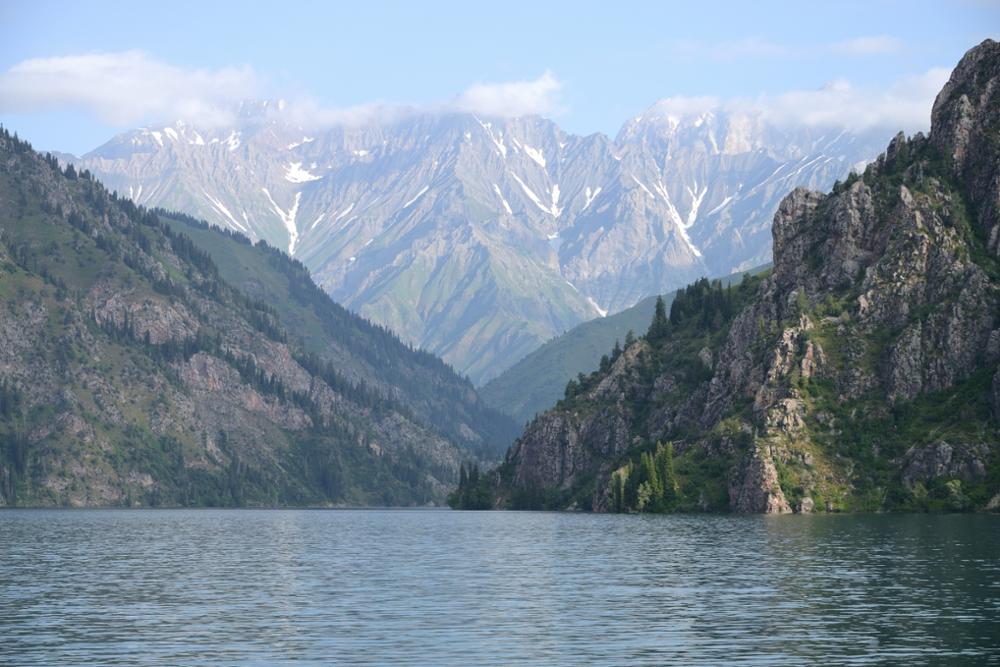
Lake Sary Chelek is located in the western part of the country, in a region long isolated and predominantly Uzbek. A stay at Sary Chelek will allow you to discover another culture while hiking or riding horses. During the Soviet Union, access to the lake and region was forbidden.
The main lake sits at approximately 1,800 meters altitude and can be reached by car from the small village of Arkyt, where you can spend the night in a guesthouse. You can undertake treks of varying lengths around the lake to visit its vast forest or one of the other lakes nearby.
This small lake, 7.5 kilometers long, has a depth of approximately 350 meters, making it Kyrgyzstan's second deepest lake. It was formed as a result of an earthquake; indeed, the landscape makes this evident.
For adventure and hiking enthusiasts, we offer a lengthy trek from Talas to Sary Chelek.
Frequently asked questions
The best period is June to September, when high-altitude roads are passable and temperatures more favorable.
Yes, Chatyr Kul and Kel-Suu require a border permit as they are located near the Chinese border.
Issyk Kul is the most suitable for swimming thanks to its waters that never freeze. Other lakes remain very cold even in summer.
This varies: Issyk Kul is accessible by car, Son Kul requires a 4x4, Ala Kul demands 3 days of trekking.