Good practices to preserve Kyrgyzstan's nature while traveling
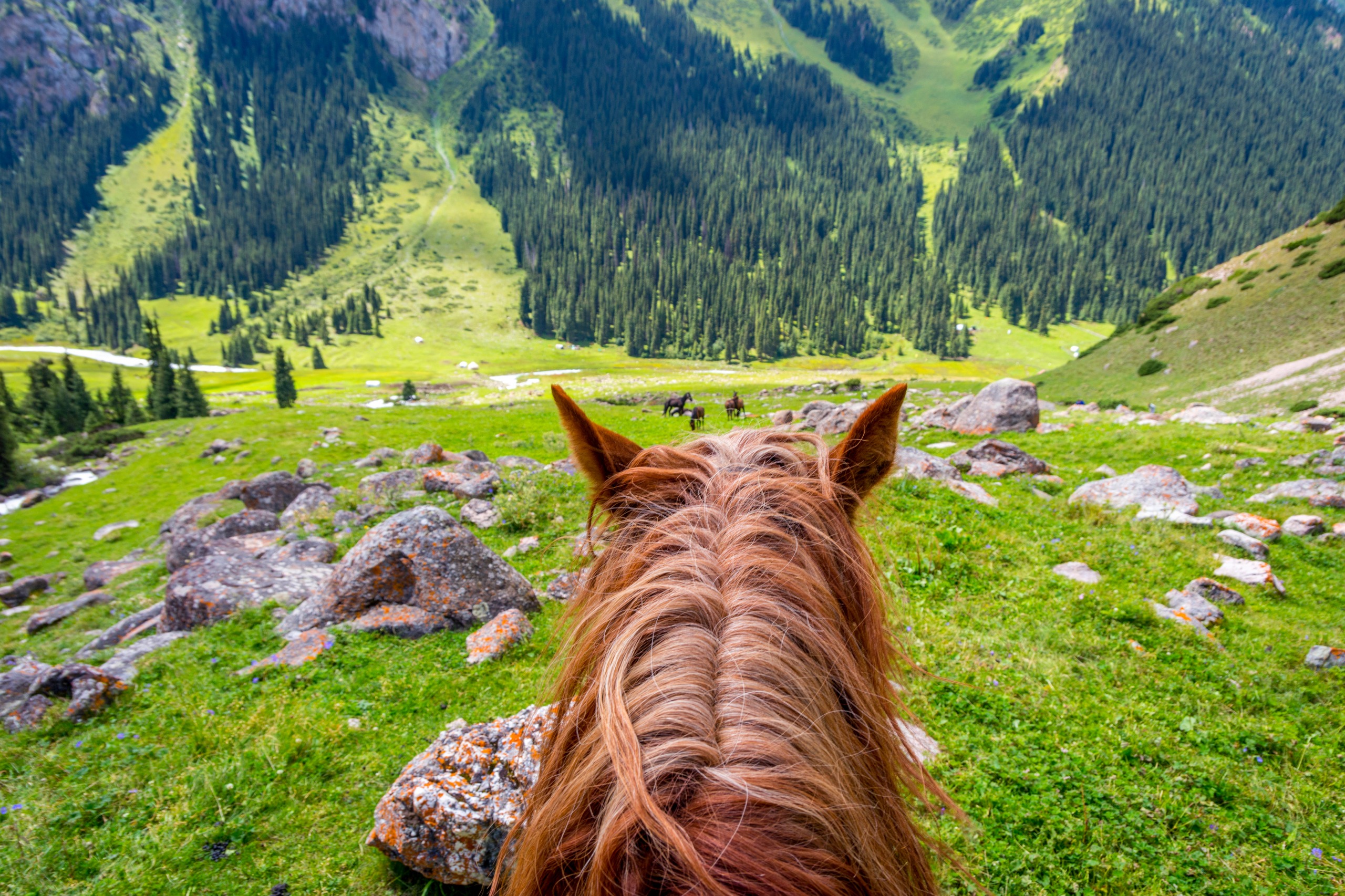
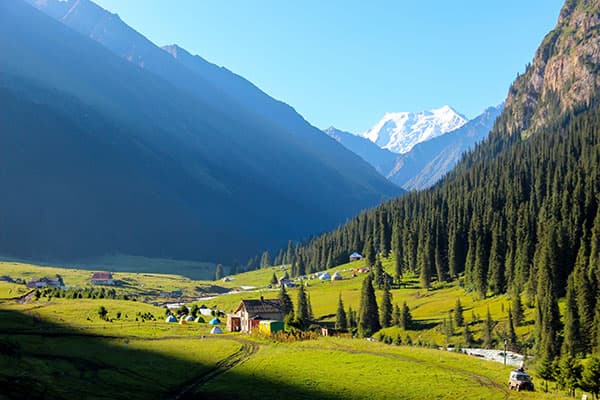
Kyrgyzstan is one of the rare countries on the planet to possess vast, lush natural spaces. Its steppes are resplendent and open onto magnificent wild landscapes that stretch endlessly.
Kyrgyzstan is one of the rare countries on the planet to possess vast, lush natural spaces. Its steppes are resplendent and open onto magnificent wild landscapes that stretch endlessly. Deeply protective of their natural reserves, the Kyrgyz people are doing what's necessary to preserve their ecological heritage.
Traveling is wonderful, but traveling responsibly is even better! Sometimes it just takes simple gestures and the right attitude to preserve the nature surrounding us and respect it as it deserves. Here, we reveal a little guide on the good practices to adopt for a "zero-waste" journey in Kyrgyzstan.
Pack a minimalist and eco-responsible suitcase
Like all travels around the world, a trip to Kyrgyzstan shouldn't be improvised; especially if you wish to take an eco-responsible approach. Thus, to succeed in your project properly, you must start by packing a minimalist bag. Here, the goal is to lighten your load as much as possible in order to produce the least waste possible during your stay. Moreover, by traveling light, it's sometimes unnecessary to check your bag, and the weight of your pack will be much more pleasant during hikes, for example. Here is a list of useful things to put in your luggage before your journey (this list is not exhaustive and can be adapted based on your needs and the duration of your stay).
A suitable backpack
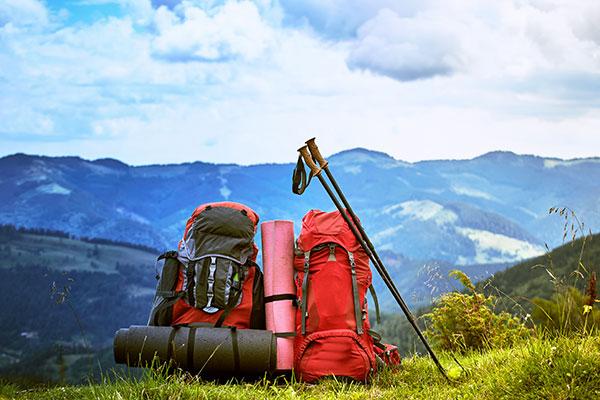
To carry your essentials throughout your journey, opt for a large backpack (40 to 50L). You can find a quality one on platforms specializing in outdoor gear. Choose one with as many compartments as possible so you can organize all your items well and find them quickly if needed.
Important: choose a backpack that you're confident you can carry without getting tired during your excursions.
Different types of containers
During your adventure in Kyrgyzstan, you'll need a few types of containers to minimize waste:
A Mason jar (or similar): for your coffee, tea, or another hot or cold beverage
A reusable water bottle: to always have water with you
A water bottle with a filter: because in some places, water is questionable and not always drinkable
Durable reusable containers such as stainless steel trays: for your food
Reusable utensils: spoons, forks, knife, etc.
Cloth bags: sturdy and practical for shopping; ecological, as you won't need plastic bags each time
Dish towels: for wrapping food, collecting waste, wiping used dishes, and avoiding paper napkins at restaurants
Your clothing
Depending on the season you travel and the length of your stay, only take what you need:
Light and loose clothing: to withstand the heat
Warm but lightweight clothing: to withstand the cold
Comfortable and sturdy shoes (equipped with good crampons for challenging mountain and winter hikes): to be comfortable during your treks
A hat or cap (and sunglasses if needed): to protect yourself from the sun
A beanie, gloves, and a scarf: to protect yourself from the cold
Other items
You will also need:
A toiletry kit: only bring what you need in your toiletry bag and a towel or two depending on the duration of your stay in Kyrgyzstan. Consider opting for solid soap and shampoo (smaller, lighter, and without packaging)
And a first-aid kit: for any household accidents and to carry your medications
Set a good example at your hotel and restaurant
Once in your hotel room:
Don't take a fresh towel every day; use your own towel instead.
Use your own water bottle for beverages if they're served in plastic cups.
Keep all your waste in the bags you've prepared for this purpose. Before leaving, dispose of them in recycling facilities.
Refuse straws in your drinks. Even though they can be very convenient, they're also highly polluting.
Don't use paper napkins; prefer to use your own cloth napkin.
Respect the nature surrounding us
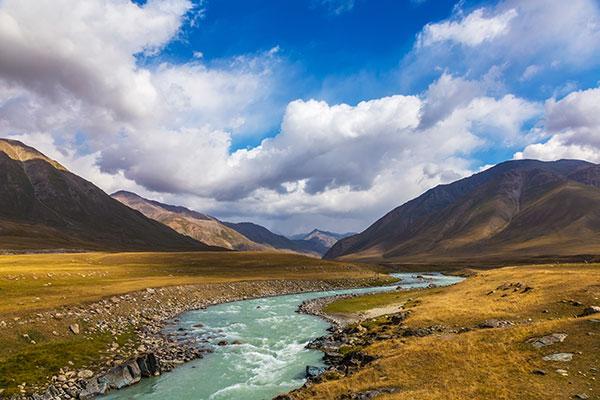
A trip to Kyrgyzstan will surely take you through vast, still-wild regions. During a picnic or camping night, be careful not to leave any waste behind. Always carry a bag with you to collect your papers, tissues, or even pick up any litter that previous travelers may have left. You can then dispose of this bag in an appropriate trash bin in town.
Also avoid picnicking or relieving yourself near water sources. Find an alternative to toilet paper or place such waste in a sealed plastic bag that you can seal and then throw in an appropriate trash bin in town.
Respect wildlife
During your hikes through Kyrgyz lands, you may observe some wild animals or herds of livestock. It's preferable to leave the animals alone and observe them from a distance so as not to disturb them. It is also forbidden to feed them at the risk of making them too accustomed to humans and putting them in danger from nature's sometimes harsh conditions. Don't forget that a wild animal remains unpredictable; there's no point in putting yourself in danger for a photo or a quick pet.
Throughout your stay, your guide will advise you on the gestures to follow and the behaviors to adopt.
Frequently asked questions
Tap water is generally not recommended for direct consumption in Kyrgyzstan. It is advised to bring a water filter bottle to purify water during hikes or in remote areas, thus avoiding the need to buy single-use plastic bottles.
Kyrgyzstan has several remarkable protected natural areas, including Karakol National Park, Sary-Chelek Nature Reserve, and the shores of Lake Issyk-Kul. These spaces harbor exceptional biodiversity that should be visited while respecting local environmental protection regulations.
During a trek, it is imperative to take all your waste with you and leave nothing behind. Bring airtight bags for organic waste or used papers, and dispose of them in appropriate trash bins when you return to town or at a base camp.
Yes, wild camping is generally tolerated in Kyrgyzstan, especially in mountain areas and steppes. However, it is important to follow the 'Leave No Trace' principles: don't make fires outside designated areas, leave no waste, and stay away from water sources when setting up camp.
Traditional yurts offered by nomadic families provide accommodation that is both authentic and eco-responsible, as they blend naturally with the local environment. Many family guesthouses also practice community-based tourism that respects nature and Kyrgyz traditions.