Creating a Sanctuary for Snow Leopards in Kyrgyzstan
In Kyrgyzstan, the snow leopard population has declined by half over the past two decades.
In Kyrgyzstan, the snow leopard population has declined by half over the past two decades. To protect these felids, the former president, Almazbek Atambayev, took significant measures to transform a former hunting concession into a protected natural space for these animals. Here's a closer look at the subject.
A few words about the snow leopard
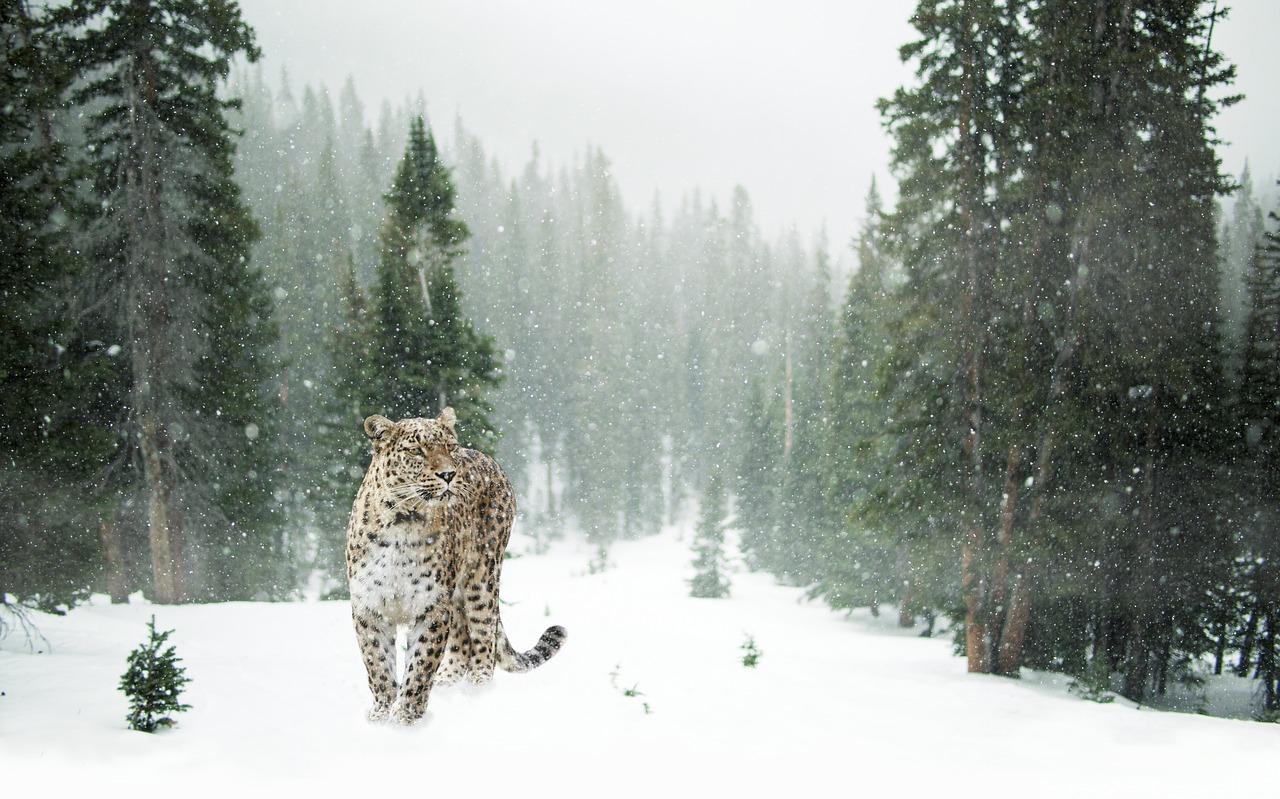
Nicknamed the "ghost of the mountains" because of its elusive nature, the snow leopard ranks among the most emblematic species of Central Asian mountains. Its thick fur with dark spots changes color with the seasons. This allows it to blend into the landscape and watch for prey in complete discretion. While it is difficult for us humans to spot a snow leopard, it is even more so for its prey. It lives at high altitudes, most often between 3,000 and 4,500 m, but has been observed at over 5,500 m in the Himalayas.
A bold measure to protect the snow leopard
In Kyrgyzstan, the snow leopard is on the IUCN and WWF red list of endangered species. This classification is the result of illegal hunting and poaching. Indeed, a snow leopard pelt selling for approximately $15,000 on the clandestine fur market is a veritable goldmine for poachers.
To protect these animals, the Kyrgyz president, in collaboration with the Snow Leopard Trust (a US-based nonprofit organization), mobilized a former hunting concession of 260 km² north of the Tian Mountains. In March 2017, the area was named Shamshy and became a protected and secure refuge for snow leopards and many other wildlife species.
A historic commitment to save snow leopards
In 2013, 12 nations from Central Asia and South Asia, including Kyrgyzstan, committed to protecting snow leopards and the mountain ranges of Asia that are their habitat. This initiative aims to protect around twenty zones hosting more than a hundred breeding adults, while promoting economic activities compatible with the presence of the snow leopard.
The WWF has been working for many years to conserve these felids by supporting a range of projects that combat poaching. In 2015, the WWF organization adopted a specific action plan that defines its own contribution to the global initiative. This initiative is endorsed by countries harboring snow leopards to preserve the species as well as the high mountain ecosystems it depends upon.
Frequently asked questions
The Shamshy sanctuary is situated north of the Tian Mountains in Kyrgyzstan. It spans 260 km² and was officially established in March 2017 from a former hunting concession, in partnership with the Snow Leopard Trust.
The snow leopard is primarily threatened by poaching: a pelt can sell for up to $15,000 on the black market. This is compounded by habitat loss in high mountain regions and climate change. In Kyrgyzstan, its population has declined by half over two decades.
Estimates vary, but it is believed that between 4,000 and 6,500 snow leopards remain in the wild, distributed across 12 countries in Central and South Asia. The species is listed on the IUCN Red List as 'vulnerable'.
Nicknamed the 'ghost of the mountains', the snow leopard is extremely elusive and difficult to spot. Certain ecotourism stays in Kyrgyzstan's high mountain regions allow visitors to experience its natural habitat, between 3,000 and 4,500 m altitude, but an encounter remains a rare privilege.
In 2013, 12 nations from Central and South Asia signed the Bishkek Declaration to protect the snow leopard and its habitats. These countries commit to preserving around twenty zones harboring more than a hundred breeding adults.