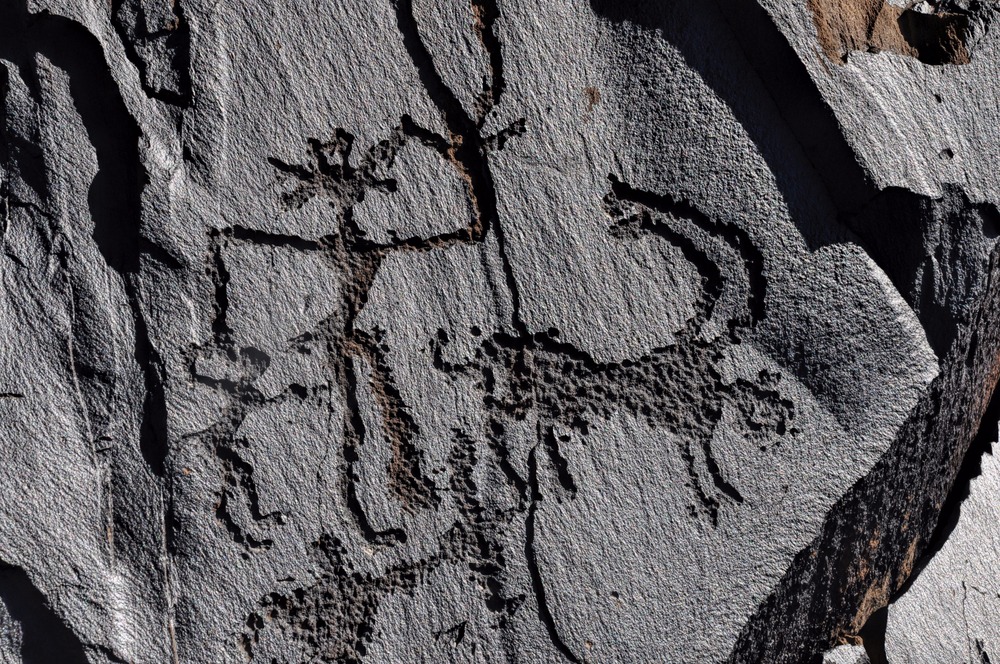
Kyrgyzstan's Intangible Cultural Heritage
Known for its endless mountains and as a trekking destination, Kyrgyzstan is also a country where traditions, rooted in nomadic heritage, remain vibrantly alive.
Known for its endless mountains and as a trekking destination, Kyrgyzstan is also a country where traditions, rooted in nomadic heritage, remain vibrantly alive. Traveling to Kyrgyzstan is therefore not only the perfect opportunity to enjoy majestic and wild landscapes, but also to meet its welcoming people and captivating culture. Indeed, Kyrgyz people take great pride in their cultural legacy and do not let modernity erase it. Here is the Kyrgyz intangible cultural heritage recognized by UNESCO, to add to your list of things to see during a stay in Kyrgyzstan:
The Kalpak, Traditional Kyrgyz Hat
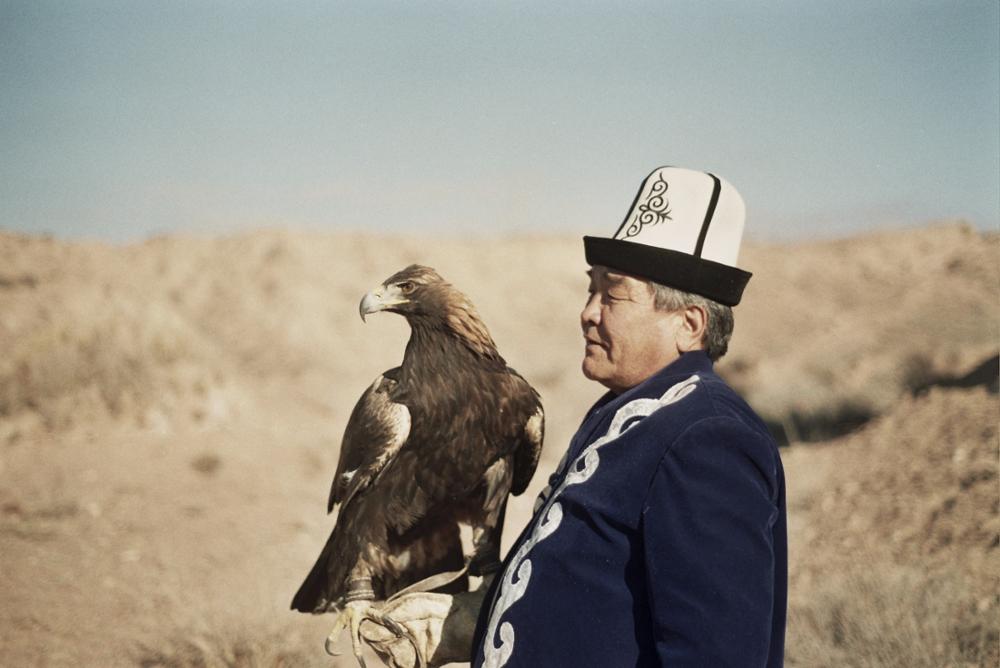
The most recent Kyrgyz cultural object to be added to UNESCO's list, the kalpak (or al-kalpak) is a felted wool hat worn for generations by men. Shaped like mountains, the al-kalpak is crafted from white felt and adorned with ornaments where each shape and color carries important symbolism. There are in fact 80 types of kalpaks, which cannot be chosen randomly.
The kalpak takes the shape of a snow-capped mountain, with four slopes, each representing an element (air, earth, fire, water). The colors represent the age and social status of the man wearing it, while the symbols carry different messages: tribes, the protective mother...
For Kyrgyz people, the kalpak is far more than a practical hat, keeping one warm in winter and summer alike. It is a sacred element treated with great respect: for example, it is forbidden to give one's kalpak to another person (except through inheritance).
The Yurt, Traditional Dwelling
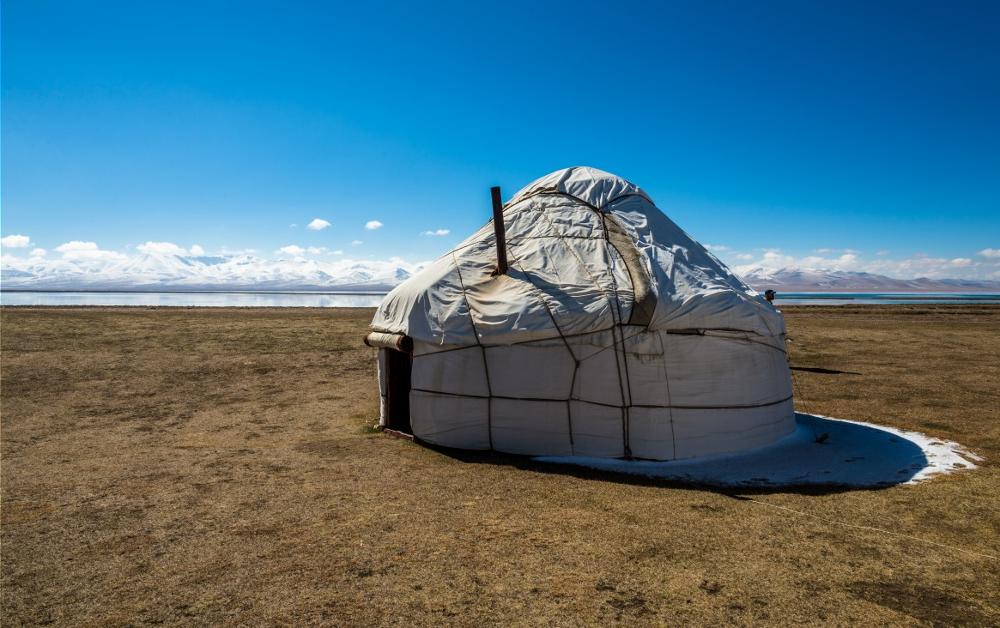
Still on the subject of felt, the Kyrgyz yurt and its craftsmanship have also found their place on UNESCO's intangible cultural heritage list. Crafted entirely by hand with natural materials (felt, wood, leather...), this nomadic dwelling allows Kyrgyz people to travel from one pasture to another with ease. Still used by herders who are now mostly semi-nomadic, the yurt remains an important symbol for Kyrgyzstan. In fact, its roof, the tunduk, which represents the sun and the 40 Kyrgyz tribes, appears on the country's flag.
Beyond being at the heart of nomadic life, the yurt has a strong social role, as its construction and assembly require the participation of the entire village. It is therefore a symbol of unity and harmony for the Kyrgyz people. During your trip to Kyrgyzstan, you will have several opportunities to sleep in a traditional yurt in the mountain «jailoos», and to learn how to assemble a yurt in the village of Kyzyl Tuu.
The Chirdak, Traditional Carpet
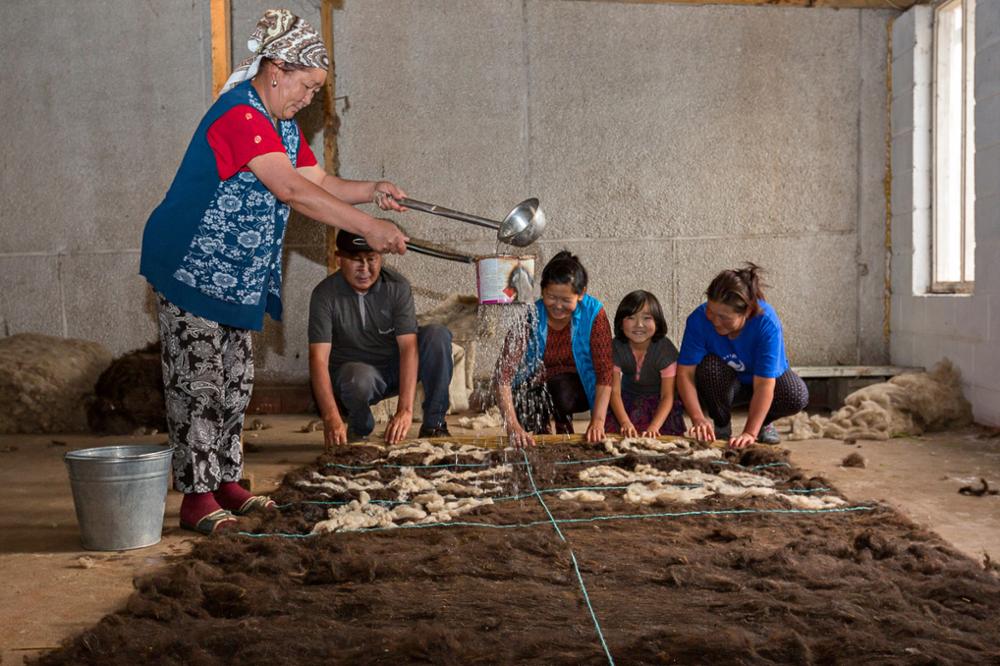
The art of felt-making in Kyrgyzstan is passed down from generation to generation and holds an important place in daily life, as it has throughout history—everything is made from felt: clothing, housing (yurts), decorations... Kyrgyz carpets are no exception: crafted from felt and made by hand with natural dyes, they are highly valued in the culture.
Crafted by women using traditional methods, the ala-kiyiz and chirdak hold primary cultural importance in the Kyrgyz community. The chirdak, for example, is given to newlyweds by the bride's mother as a promise of happiness and prosperity. Without a chirdak, a young woman could not marry. The symbols and colors carry many messages, and, as with the yurt, carpet-making requires the cooperation of several women.
This knowledge is also inscribed on UNESCO's urgent safeguarding list, as unfortunately, the technique is being lost.
Kok-Boru, Equestrian Game
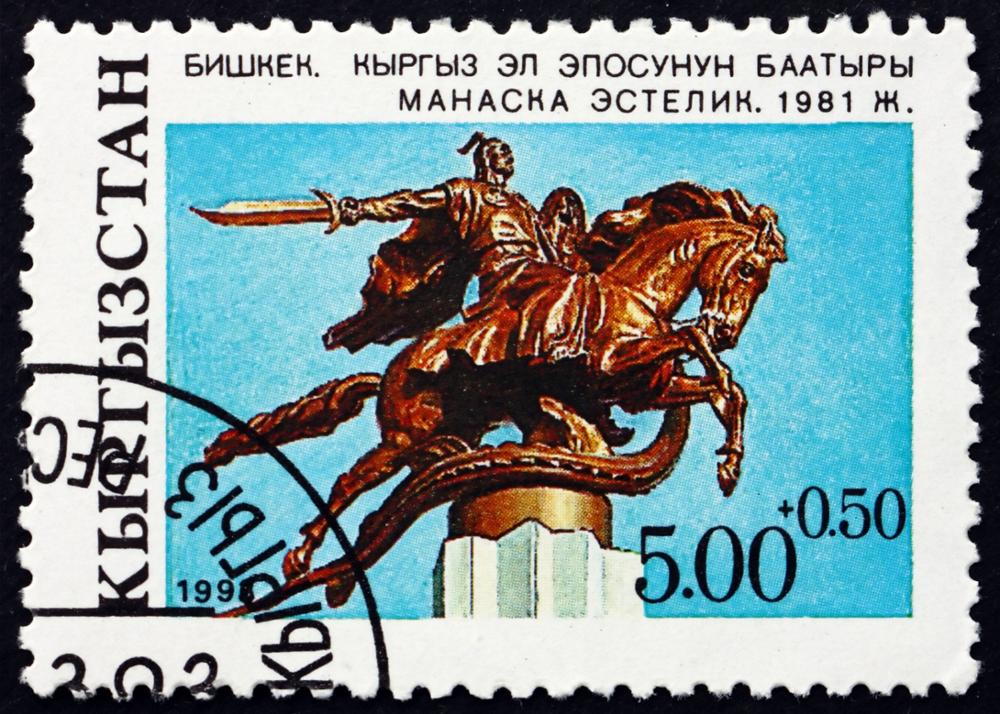
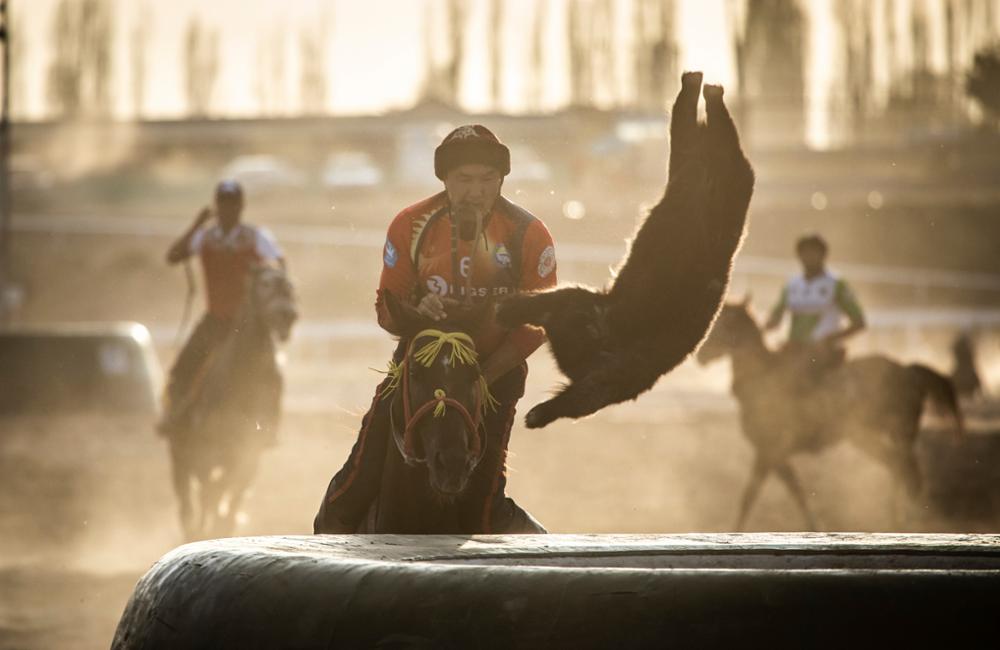
Kok-Boru is surely the most spectacular nomadic game in Kyrgyzstan. It is a sport where two teams on horseback compete to place a goat or sheep carcass into a goal. Practiced throughout Central Asia under different rules (buzkashi, kokpar, ulak tartysh...), this nomadic game was used to train riders and horses during times of peace. It remains very popular, particularly in Kyrgyzstan, where a national federation was established in 1998 to regulate the game and make it an international sport.
The Epic of Manas
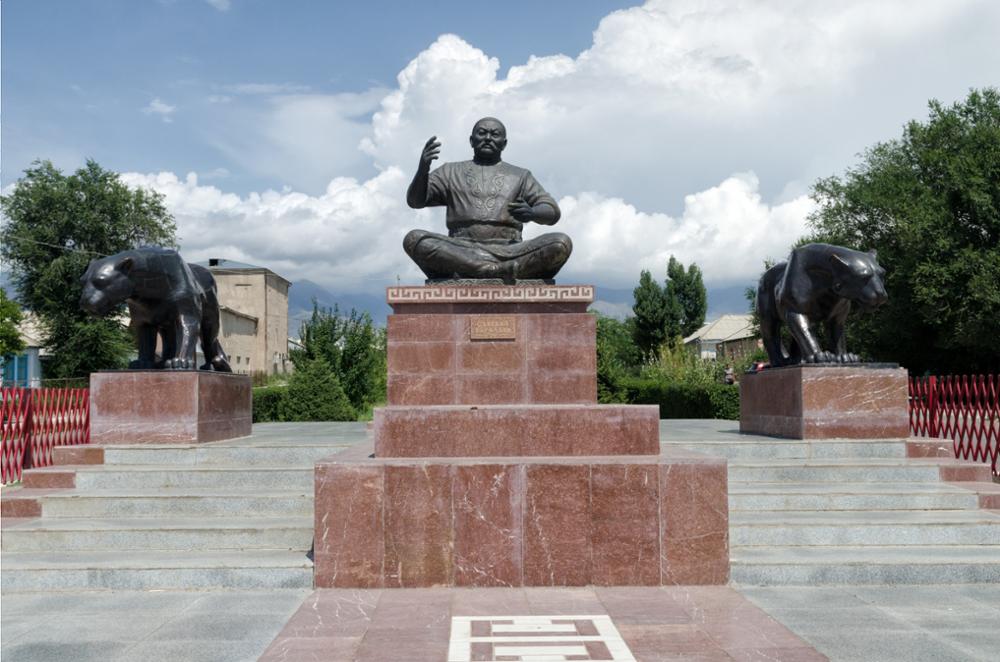
The world's longest epic (sixteen times longer than the Iliad and the Odyssey!), the trilogy of Manas, Semetey (his son) and Seitek (his grandson) stands as a founding narrative of Kyrgyzstan. This lengthy poem recounts the unification of Kyrgyz tribes, wars and victories, customs and traditions, social values, and has served as a guide for Kyrgyz people for generations. Preserved orally by traditional storytellers, this literary monument is of great importance to Kyrgyzstan. Indeed, Manas, the founding father of the nation, is celebrated throughout the country: streets, mountains, and monuments bearing his likeness across the land remind people of the historical and symbolic importance of this figure.
The Akyn or Manastchis, Epic Storytellers
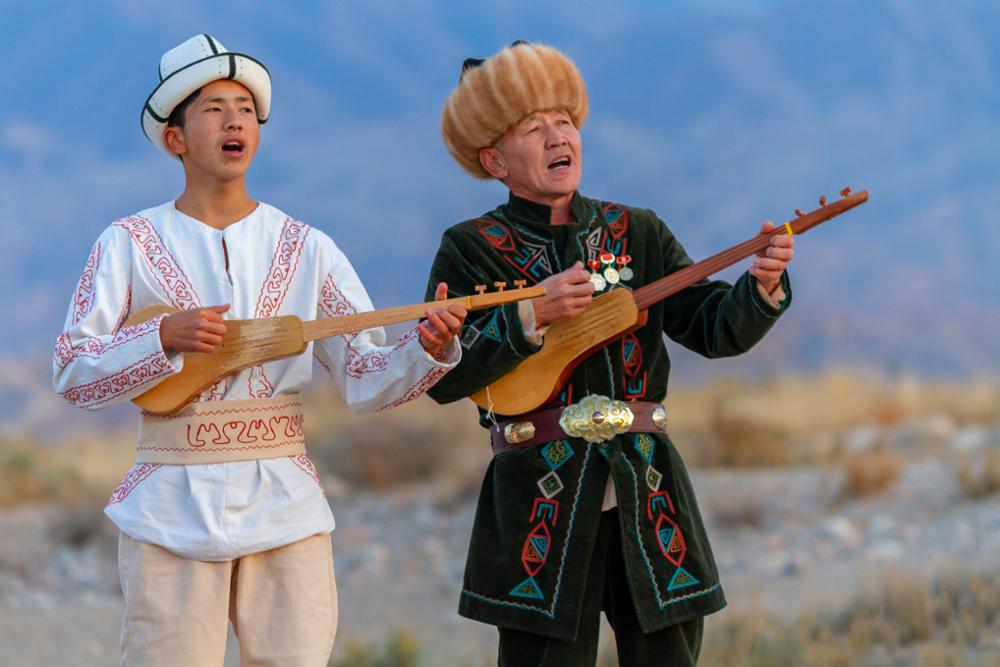
An epic requires storytellers... The Akyn, also called the Manastchis, are Kyrgyz epic storytellers who recite the fabulous epic of Manas. The recitation, which can last for hours, transports the storytellers into a sung trance, where memory and improvisation intertwine. The storytellers do not rely on written texts of Manas, but on stories passed from master to student, and on revelations. Indeed, manastchis often become storytellers following a dream, chosen by Manas to perpetuate Kyrgyz history.
The Aitysh, Art of Improvisation
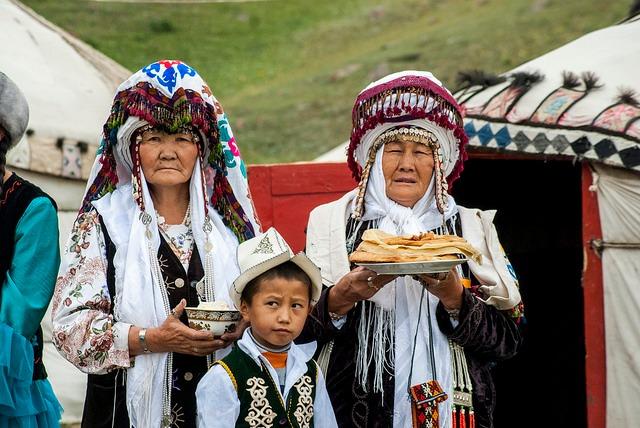
Still on the arts side, Kyrgyz people also practice aitysh, a competition between two musicians. Two men face off and improvise a poem on a current theme, accompanying themselves with the national musical instrument, the komuz.
Nowruz
The Persian New Year celebration, marking the beginning of spring on March 21 each year, has also earned its place on UNESCO's intangible cultural heritage list. A grand celebration observed throughout Central Asia, Nowruz is an opportunity to witness traditional dance and music performances and nomadic games. Traditionally, families and villages gather around a well-laden table, as a sign of wishing happiness and prosperity for the year to come. Coming to Kyrgyzstan for the Nowruz celebration is the best way to discover local culture!
The Making of Bread
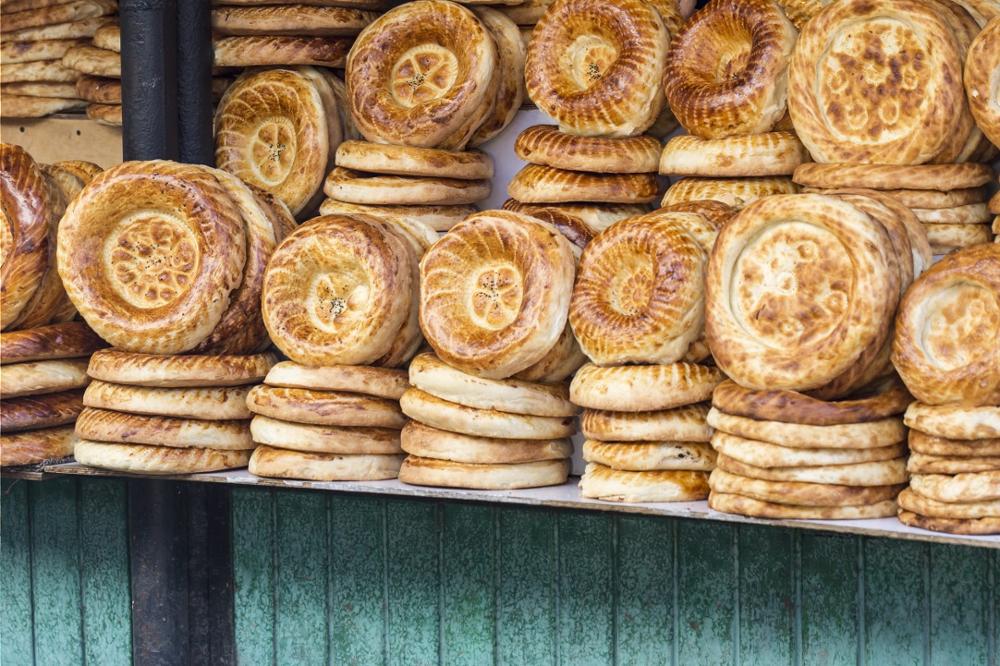
Another Central Asian tradition, the making and sharing of bread holds an important place in local culture. In Kyrgyzstan, bread (lepioshka) is baked in a tandyr, an earthen oven set into the ground. Exceptionally soft, it is more than just a delight to eat. Bread is very important in Kyrgyz culture: it is served at family events with great respect. For example, at funerals, bread is meant to guide the deceased to the afterlife.
In Kyrgyzstan, bread is treated with much respect. Even poor families will offer you a piece of bread before you leave their home, something you must never refuse. Similarly, bread is never thrown away: if a Kyrgyz person sees crumbs on the ground, they will pick them up to place them in a high spot and offer them to birds, for example. Bread must also be shared by hand and distributed to all guests at the table.
Frequently asked questions
Yes, recitations of the Manas epic by the Manastchis take place during cultural events and festivals, particularly during Nowruz in March.
Absolutely! Many yurt camps welcome travelers in mountain jailoos, offering an authentic experience of nomadic life.
Kok-Boru is played mainly during national festivals, celebrations like Nowruz, and during the World Nomadic Games.
Images restored from the source site—reposition manually if necessary.
Frequently asked questions
Yes, recitations of the Manas epic by the Manastchis take place during cultural events and festivals, particularly during Nowruz in March.
Absolutely! Many yurt camps welcome travelers in mountain jailoos, offering an authentic experience of nomadic life.
Kok-Boru is played mainly during national festivals, celebrations like Nowruz, and during the World Nomadic Games.