UNESCO World Heritage in Kyrgyzstan
A land par excellence of nomads and wild nature, Kyrgyzstan nonetheless boasts several sites classified as UNESCO World Heritage.
A land par excellence of nomads and wild nature, Kyrgyzstan nonetheless boasts several sites classified as UNESCO World Heritage. At the heart of the Silk Road, this Central Asian country has always been a crossroads of civilisations and conquests, some of which have left unique traces across Kyrgyz territory. Travelling to Kyrgyzstan is not only an opportunity to discover authentic nomadic culture still alive today, nor simply to trek through magnificent landscapes at the feet of 7,000-metre giants. Travelling to Kyrgyzstan is also a journey through time, discovering Bronze Age petroglyphs or the ruins of the Silk Road...
Here are the three Kyrgyz sites classified as UNESCO World Heritage, essential visits during your stay in Kyrgyzstan:
Sulaiman-Too
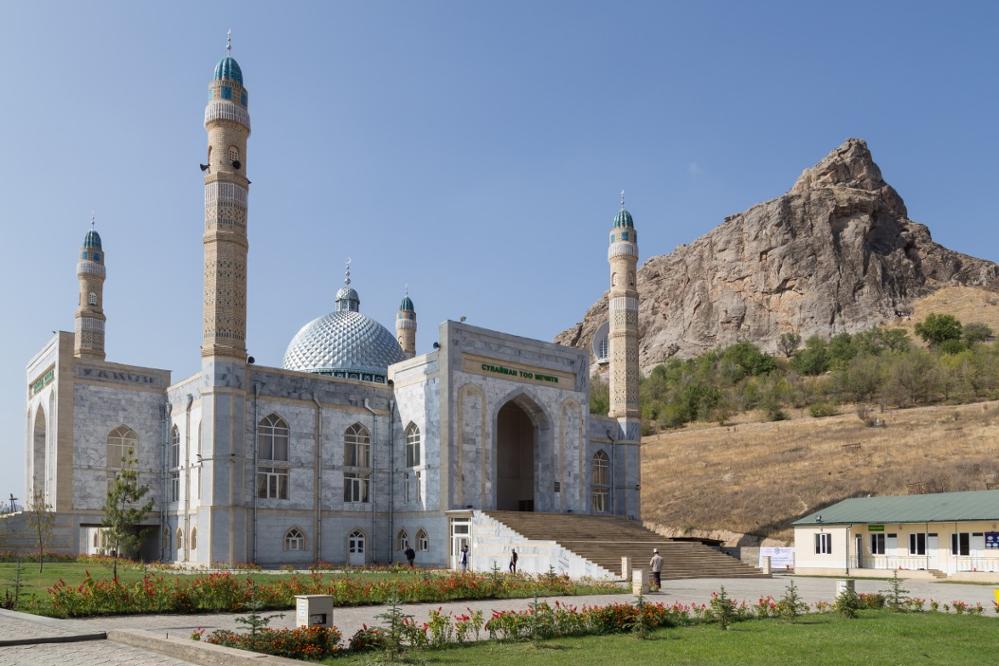
This isolated mountain that rises with elegant majesty over the city of Osh in the south of the country was the first Kyrgyz site to be inscribed on the UNESCO World Heritage list, in 2009. A sacred mountain, it served both as a guide for caravans and as an important site of pre-Islamic and Islamic pilgrimage.
The Sulaiman-Too mountain in Osh contains ritual sites, such as caves and grottoes, some of which promise fertility or health for those who visit them; ancient petroglyphs; and ancient mosques.
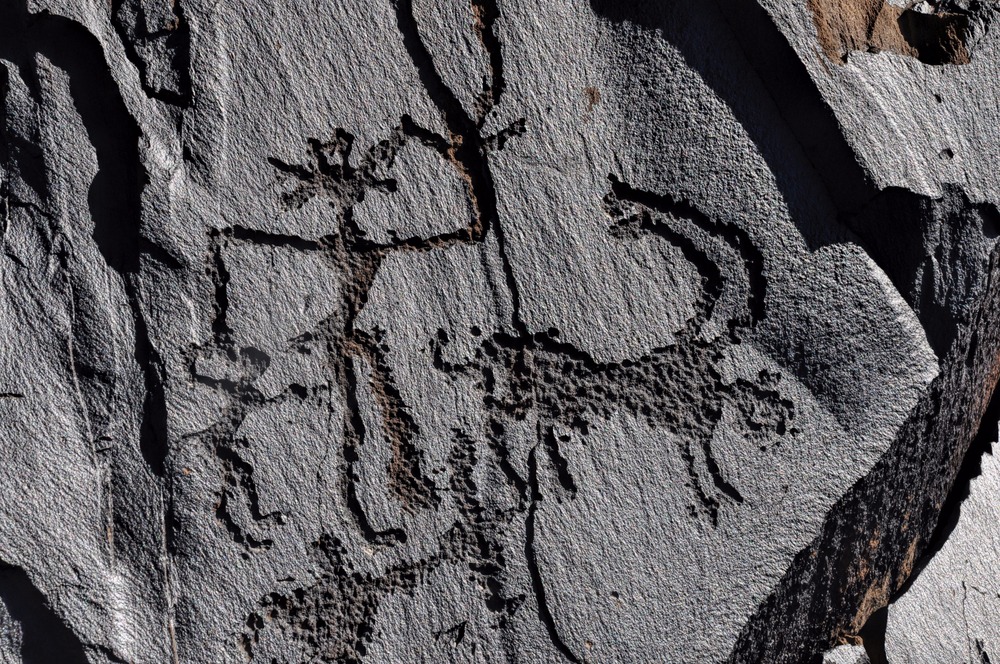
More than 101 petroglyph sites have been recorded on the mountain's flanks. Most are hidden inside caves and grottos. They date from the Bronze Age.
Among the sacred sites, there is for example this natural slide said to bring fertility to women who use it. Or a very low cave through which you must crawl to reach the bottom and the water that flows there. 17 sacred sites are still used today by locals and travellers, in hopes of finding a better life.
Two mosques were built there in the 16th century to welcome pilgrims at prayer times. You can also visit a museum, which displays some objects found during archaeological excavations and explains the meaning of the sacred places.
The Silk Roads

UNESCO has also decided to protect the ancient Silk Roads, notably the Chang'an-Tian Shan network that traverses Kyrgyzstan. Inscribed in 2014 on the UNESCO World Heritage list, this site extends over more than 5,000 km between China and Central Asia.
33 sites along this route are on the UNESCO list: ruins of cities, Buddhist caves, the Great Wall of China, among others. The route is believed to have formed from the 2nd century before our era and was regularly used until the 16th century, enabling an important flow of knowledge, cultures, religions, languages, civilisations and goods.
Although heavily travelled, this section of the Silk Road was far from easy. The terrain constantly shifted, alternating between lakes and valleys, arid steppes and snow-capped peaks, and linking passes one after another through the high Tian Shan mountains of Kyrgyzstan.
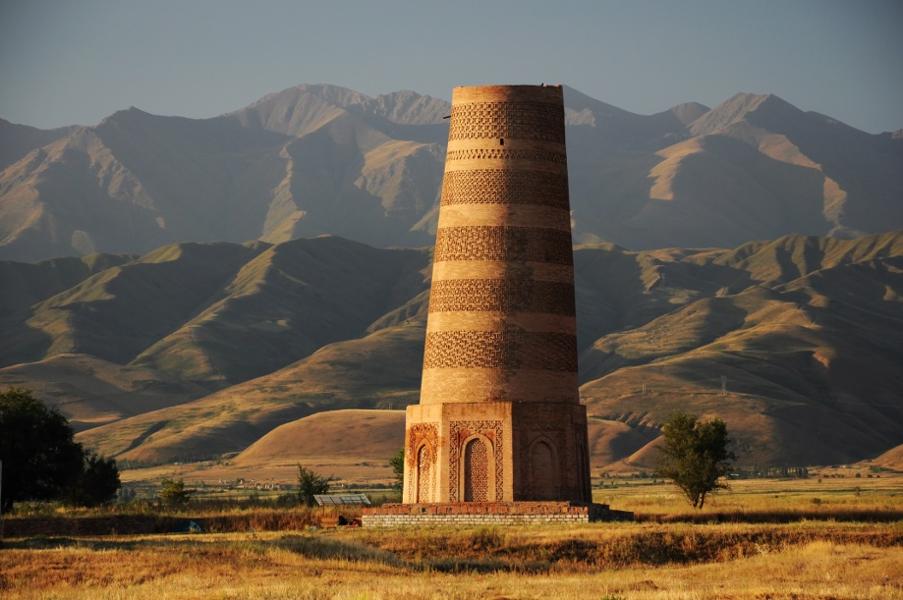
There are notably ruins of ancient historic cities in the Tchouï valley, near Bishkek, the capital, including Navakat and Burana. The route also includes a few religious sites, notably Zoroastrian ones on the Kyrgyzstan side.
Western Tian Shan
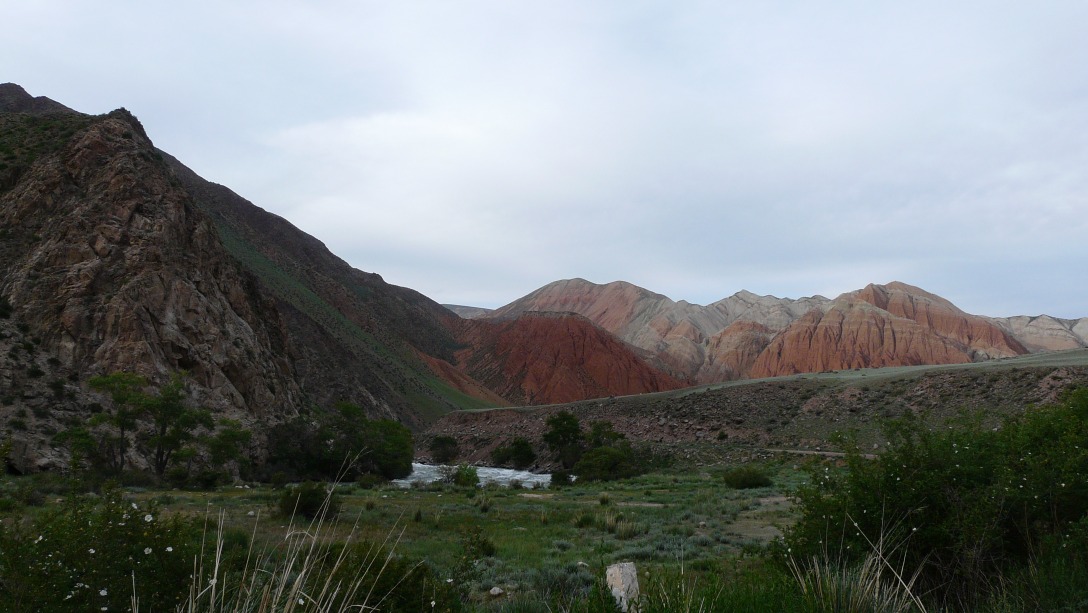
The Tian Shan mountains (Celestial Mountains) of Kyrgyzstan, which have brought fame to the country around the world, also earned their place on the UNESCO World Heritage list in 2016. Tian Shan is one of the world's largest mountain ranges, with two giants in Kyrgyzstan (the Khan Tengri peak at 7,010m and the Pobeda peak at 7,439m). However, the section inscribed on the UNESCO list reaches only 4,503m in altitude.
Shared between Uzbekistan, Kazakhstan and Kyrgyzstan, this mountain range earned its protected heritage status for the unique fauna and flora it shelters.
Frequently asked questions
Kyrgyzstan has 3 sites inscribed on the UNESCO World Heritage list: Sulaiman-Too, the Silk Roads, and Western Tian Shan.
Sulaiman-Too is the first Kyrgyz site inscribed on the UNESCO World Heritage list in 2009.
Yes, all three sites are accessible during the same trip, with Sulaiman-Too in Osh in the south, the Silk Roads near Bishkek, and Tian Shan in several regions of the country.
Images restored from the source site — reposition manually if necessary.