Kyrgyzstan, Land of Felt
In Kyrgyzstan, traditional craftsmanship centers on felt, an emblematic material inherited from nomadic life and still widely used today.
In Kyrgyzstan, as you'll see, local craftsmanship is above all about felt. This material has always been part of Kyrgyz life, particularly nomadic life; today, felt continues to be used for its practical qualities, but is also modernized to create beautiful works of art.
An art passed down through generations
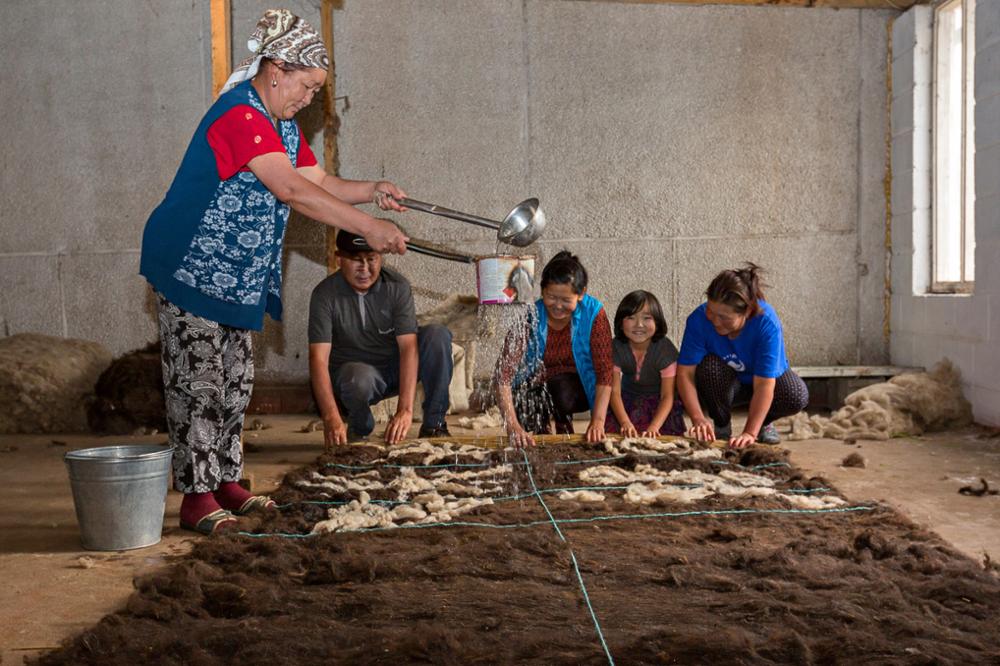
During your trip to Kyrgyzstan, stop by Kochkor or Bokonbaevo to visit a traditional felt workshop. You can purchase beautiful handmade souvenirs made by local women and, most importantly, learn to make a felt carpet yourself.
The Kyrgyz have always mastered the art of felt, passed down through generations, from mother to daughter. This was an essential skill for nomadic women: for centuries, felt has served as the foundation for building yurts, making clothing and creating many other everyday objects in Kyrgyz family life.
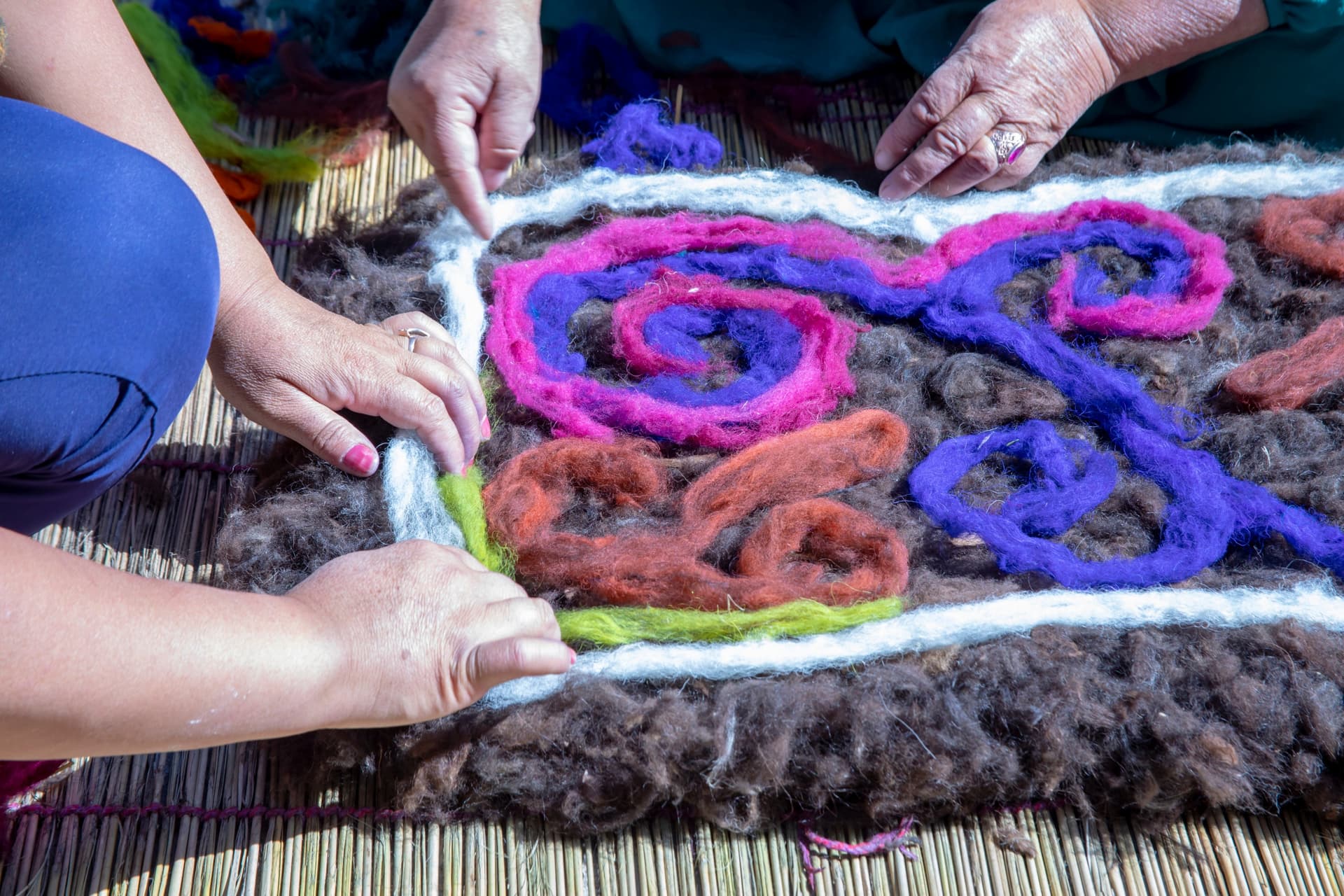
Felt is made from a blend of sheep's wool. Shorn twice a year, sheep's wool varies depending on the season. To make felt, the cleaned wool must be beaten to mix and lighten it. Next, the Kyrgyz spread the wool in several layers over a straw mat. The number of wool layers depends on what is being created; the thickest felt is used for yurt walls. Once the felt is ready, the straw is rolled up, boiling water is poured over it, and the mat is flattened by dancing on it. The felt must then be wrung out and washed several times with soap and hot water.
This handicraft work is very physical and requires many hands, depending on the size of the felt being made. The tradition is gradually fading, but felt-making remains an important part of Kyrgyz life, deeply rooted in their way of life and creativity.
The chyrdak, traditional Kyrgyz carpet
One of the most symbolic felt creations in Kyrgyzstan is the traditional carpet, the chyrdak (or shyrdak). It is found in every Kyrgyz home. Passed down through generations, it is an essential element of family life. At a wedding, the chyrdak is a mandatory part of the dowry: prepared by the bride's mother, it is meant to bring happiness to the new couple. Until recently, all Kyrgyz women knew how to make a chyrdak, since their daughters' marriages depended on it!
The chyrdak is made from two layers of felt in different colors and cut into traditional patterns. It features representations of family, the beginning of mankind, yurts, Marco Polo expeditions… Each color also has its meaning; for example, red signifies a long life and yellow represents happiness. Through its creation, the mother expresses her wishes for her daughter and new son-in-law: it is meticulous and highly symbolic work.
Felt reimagined
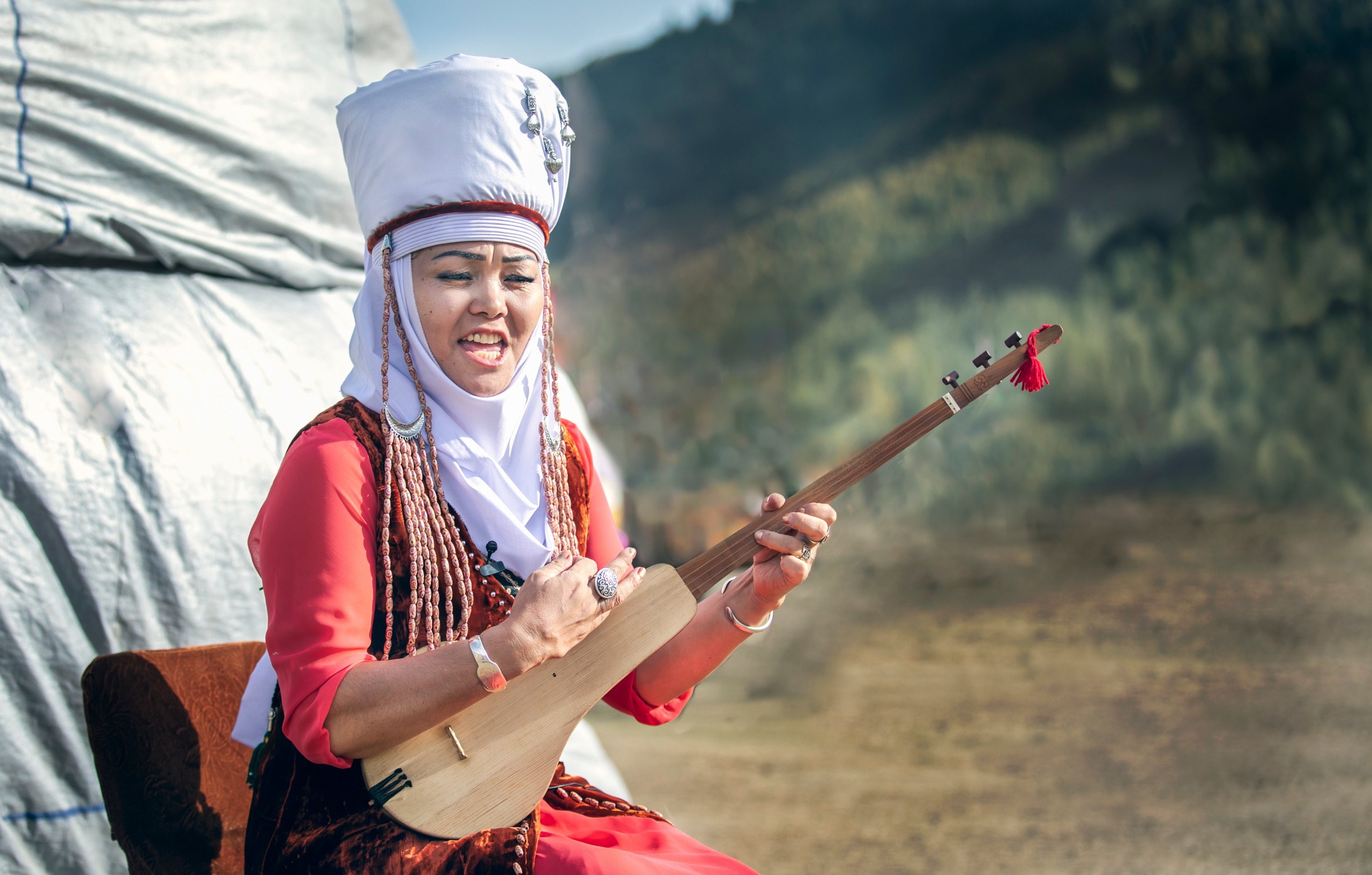
Since time immemorial, felt has accompanied the Kyrgyz in their daily lives. Durable and insulating, it is used to build the homes of nomads, the yurt, as well as all their clothing. The national hat, the Kalpak, is also made of felt, and has recently been inscribed as UNESCO world heritage.
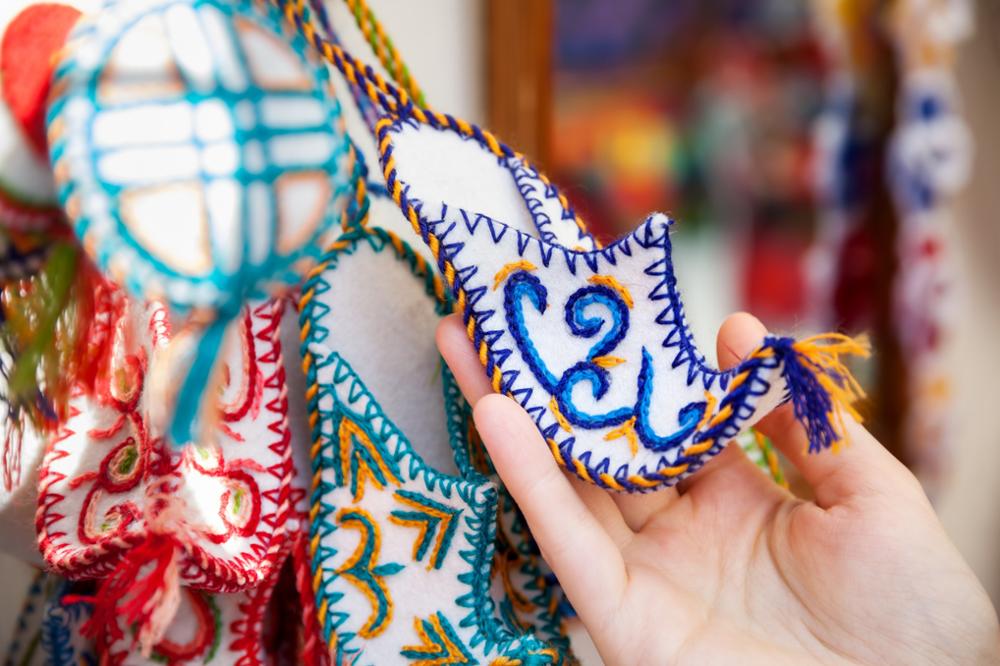
In recent years, the Kyrgyz have also developed a modern felt art. To preserve their beautiful traditions, artists have modernized traditional carpets, clothing, Kalpaks and created new objects such as paintings and felt souvenirs. This new Kyrgyz trend is exhibited internationally at the world's major art and fashion events: ultimately, tradition is becoming Kyrgyzstan's future!
Frequently asked questions
The cities of Kochkor and Bokonbaevo offer traditional workshops where you can learn felt-making with local artisans.
Prices vary depending on size and pattern complexity. It is recommended to inquire directly with local artisans.
Each color has its own symbolism: red represents a long life, yellow symbolizes happiness. The patterns tell the story of the family.