Ruins of Koshoy Korgon Fortress
Ruins of Koshoy Korgon Fortress
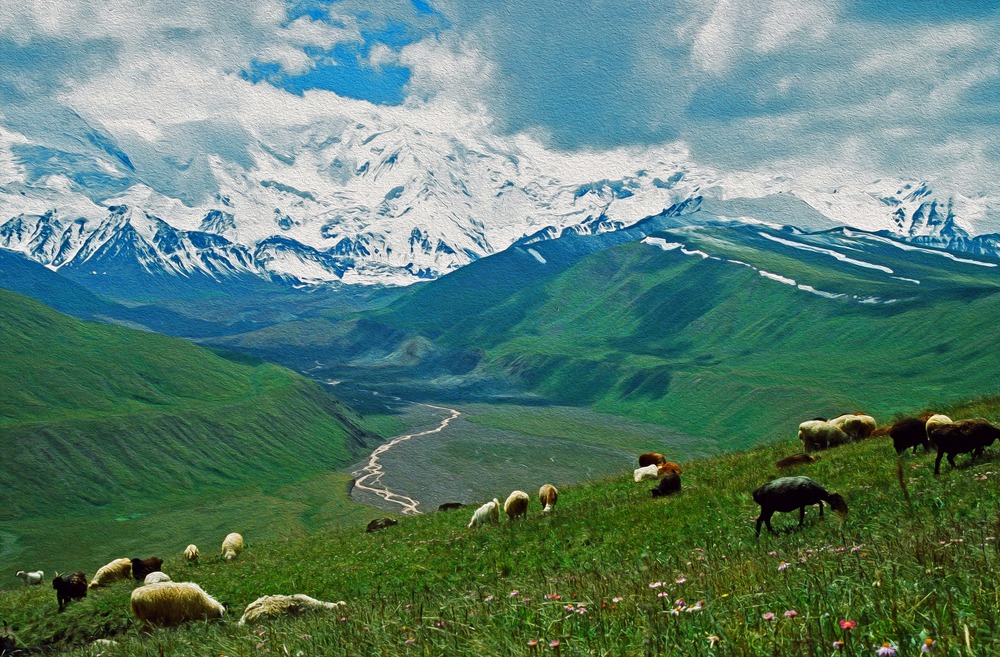
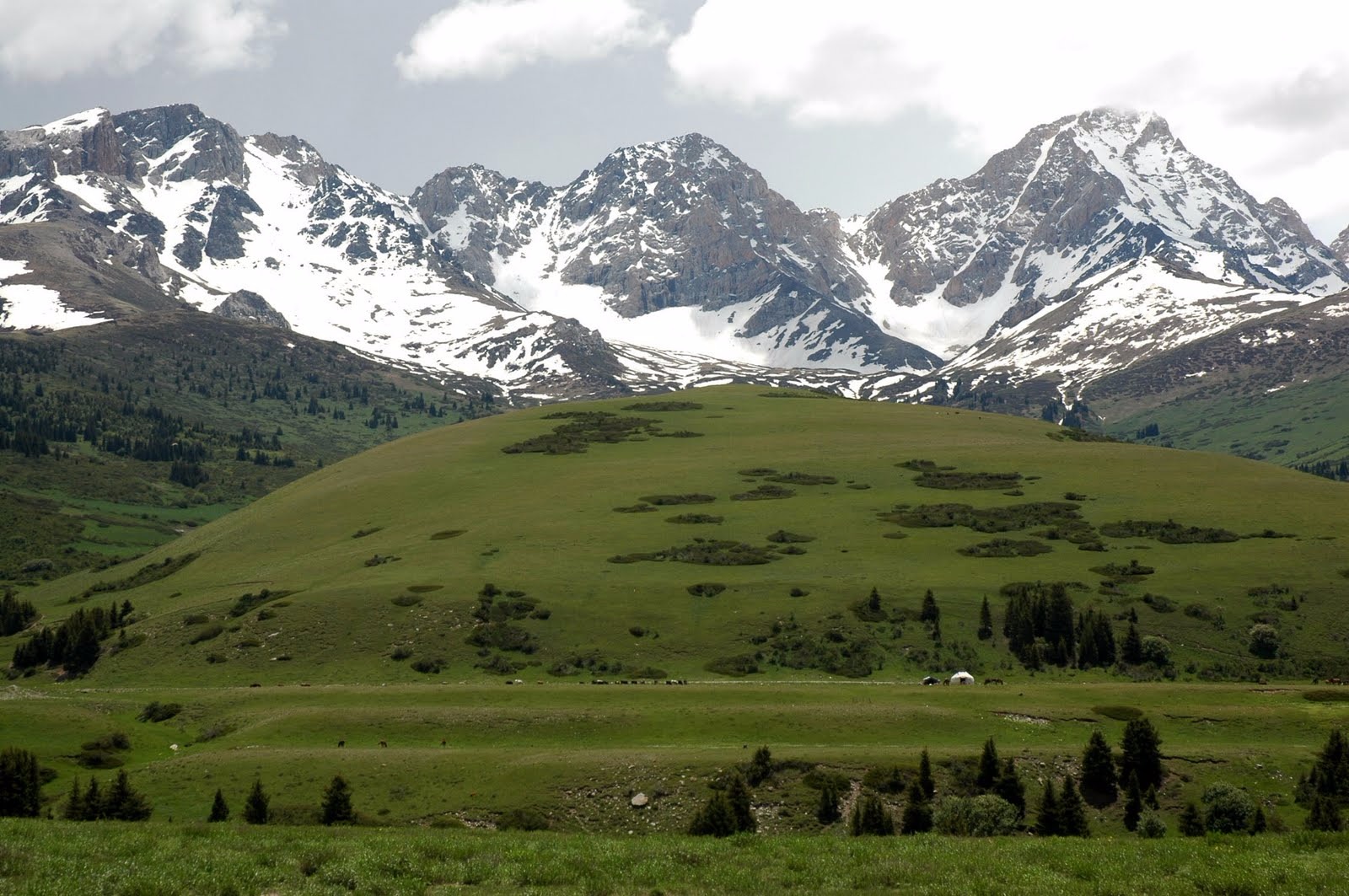
A citadel of the Silk Road now in ruins, Koshoy Korgon stands in the high-altitude steppe of At-Bashy, an hour from Naryn.
The ruins of Koshoy Korgon rise from the high-altitude steppe of At-Bashy district, along the ancient Silk Road. From the medieval citadel that once controlled this crucial trade route between China and Central Asia, only a few sections of clay walls remain, yet the site retains significant historical and archaeological value, complemented by a small local museum.
Why Visit Koshoy Korgon
The site appeals primarily to travelers drawn to Silk Road history and Kyrgyz culture. Three key reasons justify a visit:
- The setting: a caravan checkpoint in the At-Bashy valley, at approximately 2,000 meters elevation, on a route linking the Tian Shan to the Tarim oases.
- The epic dimension: the fortress's very name refers to Koshoy, companion of the hero Manas, the central figure of the Kyrgyz national epic.
- The adjoining museum, modest yet well-documented, which places the site within the regional history of Naryn and presents elements of nomadic life.
A visit fits naturally into an itinerary toward Tash Rabat or the Torugart Pass, provided you accept this is an archaeological site in ruins, not a restored monument.
History and Epic Tradition
Between the 10th and 12th centuries, the citadel controlled the Silk Road in the At-Bashy region. Built about sixty kilometers from Naryn, it sprawled across eight hectares, making it one of medieval Kyrgyzstan's largest fortified structures. Historical sources remain incomplete, and precise dating as well as the exact identity of the builders—likely linked to the Karakhanid Turkic world—continue to be debated among archaeologists.
The name means "Koshoy's Fortress" in Kyrgyz. According to oral tradition, Koshoy was one of the closest collaborators of the great hero Manas. This connection belongs to epic rather than archaeology: it testifies to the site's symbolic importance in Kyrgyz national memory, where actual ruins and legendary narratives overlap.
What to See On Site
The Citadel Remains
The site presents itself today as a vast rectangular enclosure of which only a few sections of rammed-earth walls approximately 3 meters high remain. These clay walls, eroded by centuries, still clearly delineate the former stronghold. You can distinguish the fortified corners and main axes. The visit is free, with minimal signage, and feels as much like an archaeological walk as a landscape survey across the steppe.
The Site Museum
A small museum adjoins the ruins. It displays archaeological discoveries from the site and the Naryn region: everyday tools, household objects, military equipment. A section is dedicated to Kyrgyz national culture and nomadic life, featuring a yurt, harnesses, traditional instruments and textiles. The entire collection can be viewed in less than an hour and provides the context missing on the ground.
Practical Information
- Visit duration: allow 1 to 1.5 hours on site, including the museum.
- Admission: museum entry at modest cost, payable in cash (Kyrgyz soms).
- Hours: daytime opening, generally closed in the evening and sometimes outside the tourist season. Best to check in At-Bashy before heading up.
- Equipment: closed-toe shoes, windbreaker and water; the site is exposed and there are no facilities in the immediate vicinity.
When to Go
The At-Bashy valley is a high-altitude steppe with long, harsh winters. The most favorable period runs from May to late September, with optimal conditions in June-July-August. Outside this window, the road may be snow-covered and the museum sometimes closed.
How to Get There
Koshoy Korgon lies near the village of At-Bashy, in Naryn province.
- From Bishkek: minibuses depart daily from the western bus station in Bishkek toward Naryn. Allow approximately 6 hours of travel.
- From Naryn to At-Bashy: regular marshrutka or shared taxi service (1.5 to 2 hours depending on road conditions).
- From At-Bashy to the site: car, local taxi or private vehicle. No public transport directly serves the ruins.
For travelers on a tour, the site combines well with a stop at the Tash Rabat caravanserai, located further south on the same route.
What to See in the Region
- At-Bashy: typical Kyrgyz village, the logical base for exploring the valley.
- Jety-Oguz Valley: striking red rock formations and high-altitude landscapes, further north toward Issyk-Kol.
- Cholpon-Ata Petroglyphs: another major testament to the country's ancient heritage, complementary to a Koshoy Korgon visit.
Frequently Asked Questions
Frequently asked questions
A few sections of rammed-earth walls approximately 3 meters high, which outline the original enclosure across eight hectares. The overall structure is legible, but the interior buildings have vanished.
No. The attachment to Koshoy, companion of Manas, belongs to Kyrgyz epic tradition. The fortress itself dates to the 10th-12th century and has no direct archaeological link to the epic.
Yes, especially to understand the site. It brings together regional archaeological finds and an ethnographic section devoted to Kyrgyz nomadic life.
Yes. A day excursion Naryn → At-Bashy → Koshoy Korgon is entirely feasible by car, with an evening return.
May through September. Outside this period, altitude and snow make access difficult and the museum may be closed.
Include Koshoy Korgon in Your Journey
The ruins of Koshoy Korgon fit naturally into an itinerary through Naryn province, between Song-Köl lake, the At-Bashy valley and the Tash Rabat caravanserai. To build a tailor-made journey including this historic stop, consult our Kyrgyzstan travel experiences.
Interested in this visit?
We can include it in your personalised itinerary.