Who was Chingiz Aitmatov, the world-renowned Kyrgyz writer?
The most celebrated Kyrgyz writer is, without question, Chingiz Aitmatov.
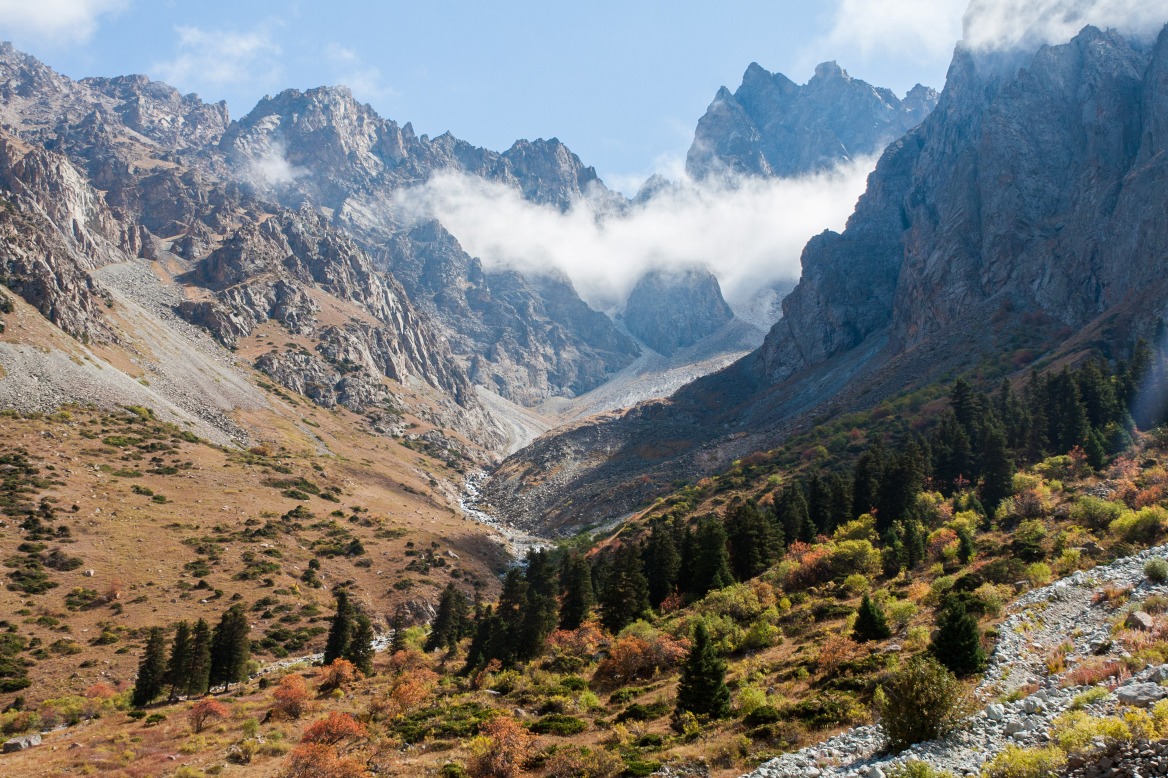
His eloquent writing traveled the world, and it is largely through him that many countries first discovered the existence of Kyrgyzstan, of its resilient people and endless mountains.
Translated into more than 150 languages, Chingiz Aitmatov (also written Aytmatov) left the world with incomparable works of art that sing of the beauty and hardship of his country and people. His tales transport readers to Soviet Kyrgyzstan, honestly recounting the regime's failings and the courage of young heroes. His stories speak equally of politics and pure love, rebellion, daily life, escape, traditions, family, the strength of women, education, and much more; all set against the backdrop of the Celestial Mountains and the steppes of northern Kyrgyzstan.
A writer admired worldwide
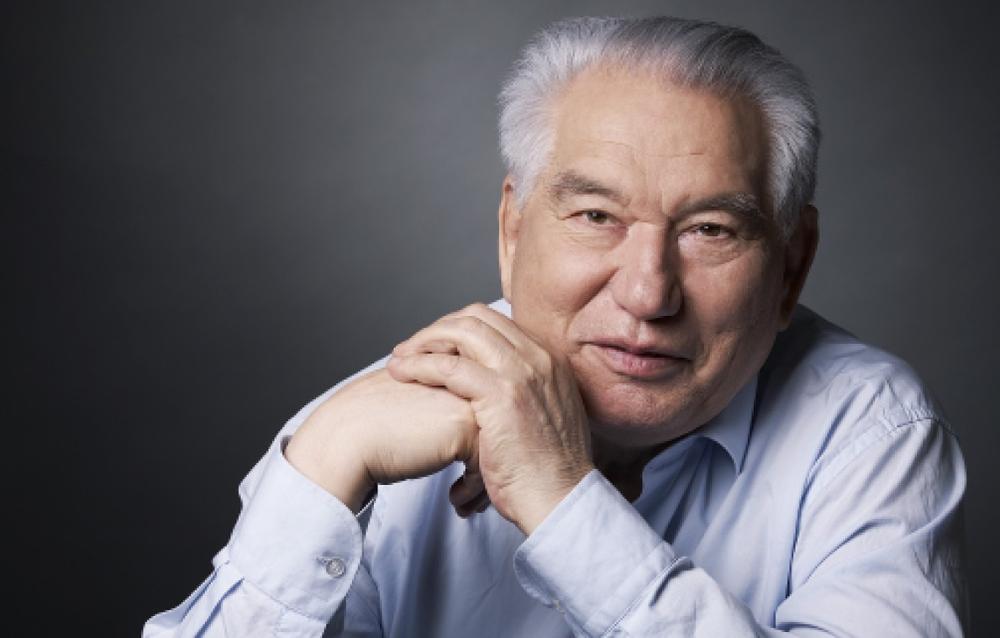
"Everything that happens in the world happens to each of us personally." This phrase, drawn from a work by Chingiz Aitmatov, might have become the motto of the United Nations – so claimed Alison Smale, Under-Secretary-General for Global Communications at the United Nations, during the opening of an exhibition dedicated to the Kyrgyz writer in New York in 2018.
Chingiz Aitmatov was a humanist and visionary writer, who spoke of climate change, the loss of traditions, and feminism ahead of his time. In a beautiful tribute to Chingiz Aitmatov, perhaps the most celebrated of Kyrgyz writers, Kyrgyzstan's President Soroonbai Jeenbekov declared: "The name of Chingiz Aitmatov will live on as long as there are Kyrgyz people, as long as our country, Kyrgyzstan, exists and flourishes on our land."
Chingiz Aitmatov (1928-2008) was born in the Talas region of Kyrgyzstan. A correspondent for the newspaper "Pravda," he began publishing in 1952. Born of a Tatar mother and Kyrgyz father, he is regarded throughout Central Asia as "one of their own." Indeed, Aitmatov wrote with equal mastery in both his native tongue, Kyrgyz, and in Russian, a language he commanded with excellence. He was the most decorated Soviet writer: he received notably three State Prizes and the Lenin Prize, along with numerous international awards. Shortly before his death, Turkey had submitted his candidacy for the Nobel Prize in Literature.
A political commitment
Despite the execution of his father by the Soviets in 1938, Chingiz Aitmatov was a great disciple of internationalism and the communist regime. Yet he did not hesitate to criticize its flaws in his numerous tales, always with enough subtlety to evade censorship.
Chingiz Aitmatov also had an important political career behind him. He served, among other roles, as advisor (and friend) to Mikhail Gorbachev, then as ambassador of Kyrgyzstan to the European Union, to NATO, to Luxembourg, Belgium, and the Netherlands.
Notable works by Chingiz Aitmatov
Djamilia
"It is the most beautiful love story in the world": these were the words with which Louis Aragon, author of a magnificent translation of Djamilia, described this splendid work by Chingiz Aitmatov. Djamilia is a poignant story of forbidden love, of impossible love, set against the backdrop of Kyrgyz mountains. It is told through the eyes of a young boy, Seït, innocent, curious, and artistic, who weaves his words with a beauty and intensity as compelling as the story itself.
And a Bit More
This is the story of a young boy lost in the unjust world of adults, watching Lake Issyk Kul for a white ship, upon which he is certain to find his father...
The First Teacher
This collection of short stories takes its title from a beautiful, committed work by Chingiz Aitmatov, the story of an idealistic young communist teacher who wishes to educate children in a village where education is not customary. The tale recounts his efforts to bring children to school and teach them, despite parental refusal and traditions that allow, among other things, the early marriage of daughters... It is a work that celebrates freedom, education, feminism, and equality.
A Day Lasts More Than a Hundred Years
This book by Chingiz Aitmatov blends science fiction and politics, beautifully outwitting Soviet censorship. Though Aitmatov was a strong advocate of Soviet ideals, he did not hesitate to criticize the regime. The story traces a funeral procession across the Kazakh steppes, during which characters recount their experiences of war, tyranny, injustice, and more.
Frequently asked questions
Aitmatov's most celebrated works are 'Djamilia', described by Louis Aragon as 'the most beautiful love story in the world', 'And a Bit More', and 'A Day Lasts More Than a Hundred Years'.
Yes, you can visit his native Talas region and discover the landscapes that inspired his works, notably the mountains and steppes of Kyrgyzstan.
Reading Aitmatov allows you to better understand Kyrgyz culture, its Soviet history, and its traditions, greatly enriching your travel experience.