All about the kalpak, traditional Kyrgyz hat
The kalpak is far more than a hat in Kyrgyzstan. At the heart of local culture, it holds numerous symbols and is treated with unparalleled respect.
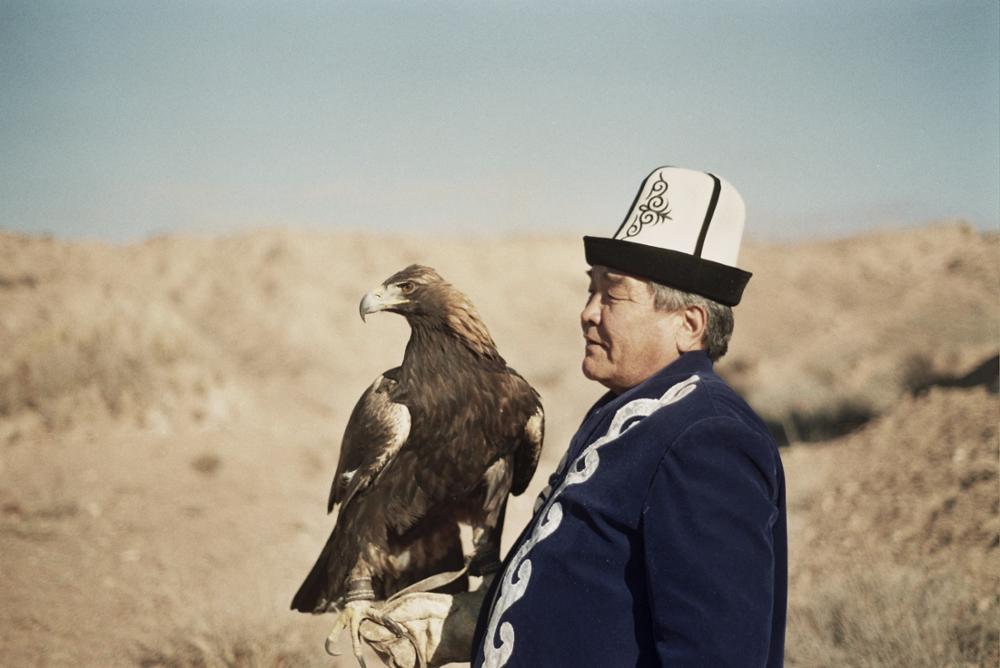
The kalpak is far more than a hat in Kyrgyzstan. At the heart of local culture, it holds numerous symbols and is treated with unparalleled respect. Worn proudly by the men of the country, this tall felt hat that you will certainly see during your trip to Kyrgyzstan is now listed as intangible cultural heritage by UNESCO.
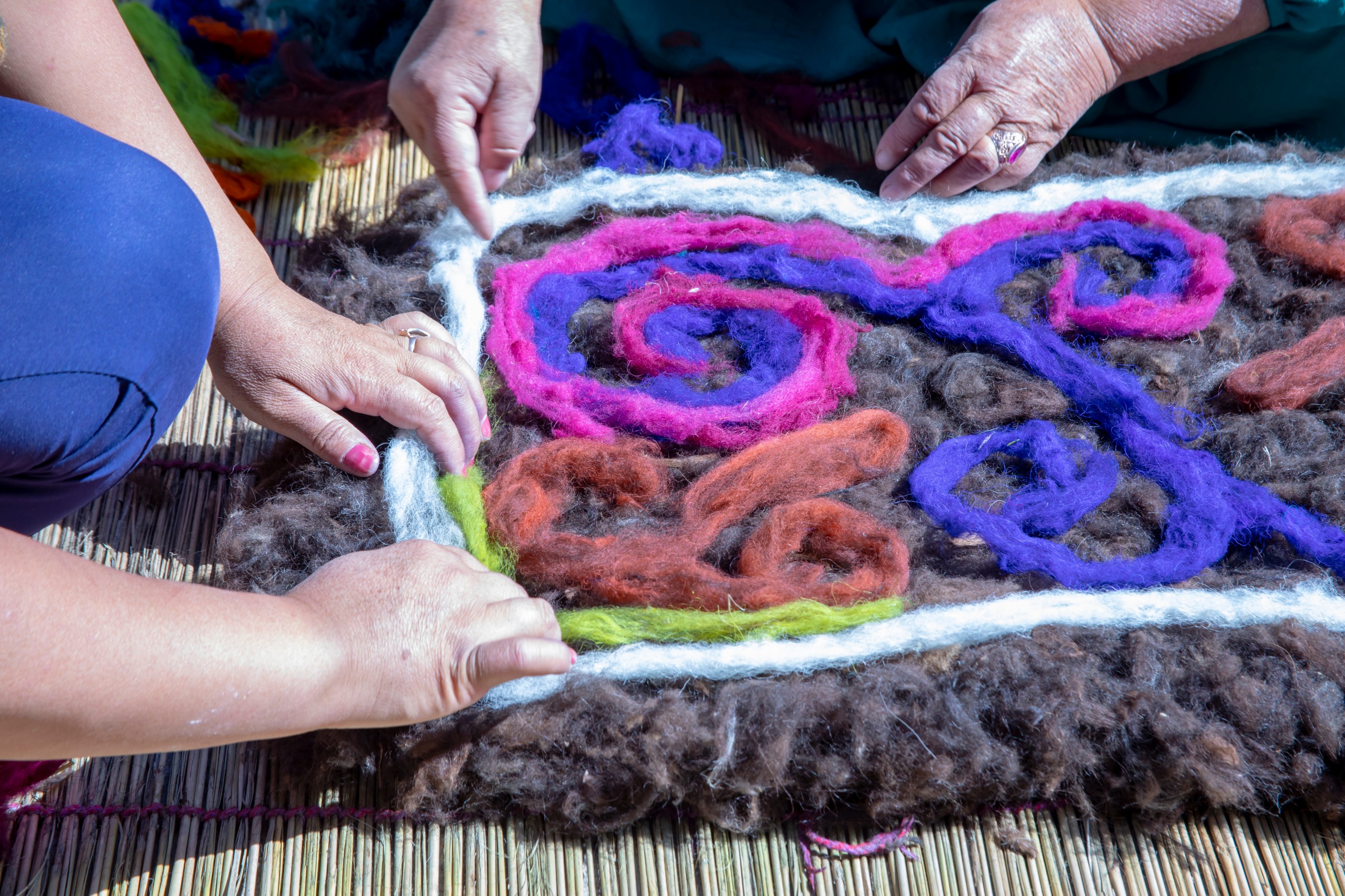
Made of felt, the kalpak has been used for generations of nomads to protect men from cold, heat and rain. On a white background and in a triangular shape, it represents the steep mountains that cover the entire Kyrgyz territory. Easily foldable like the yurt, it is one of the key elements of Kyrgyz nomadic culture. It should be worn at major events, even though some locals continue to wear it daily as their ancestors did.
The kalpak in Kyrgyz culture
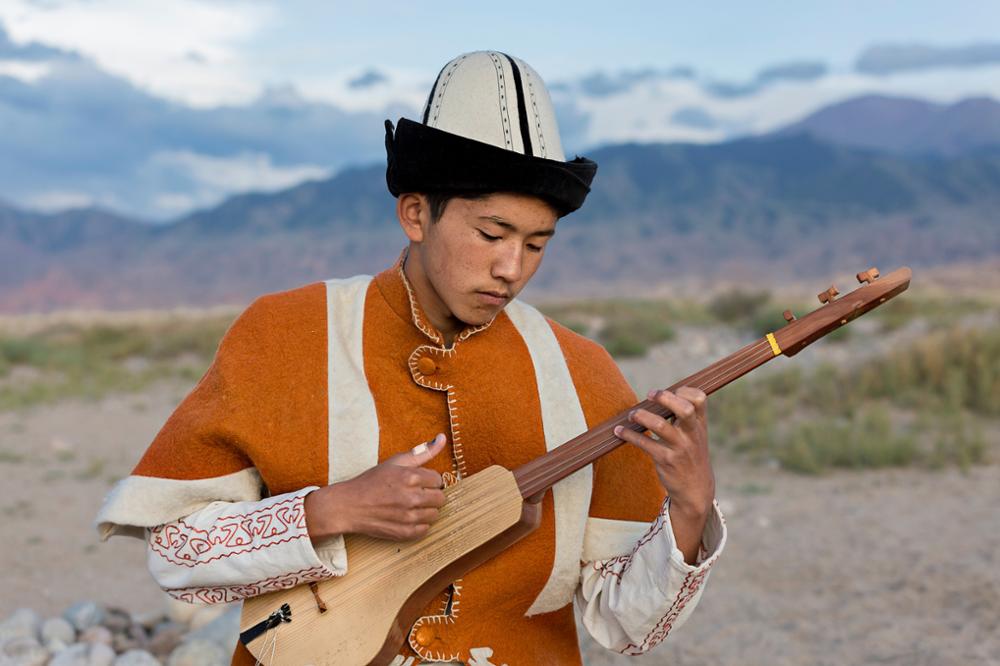
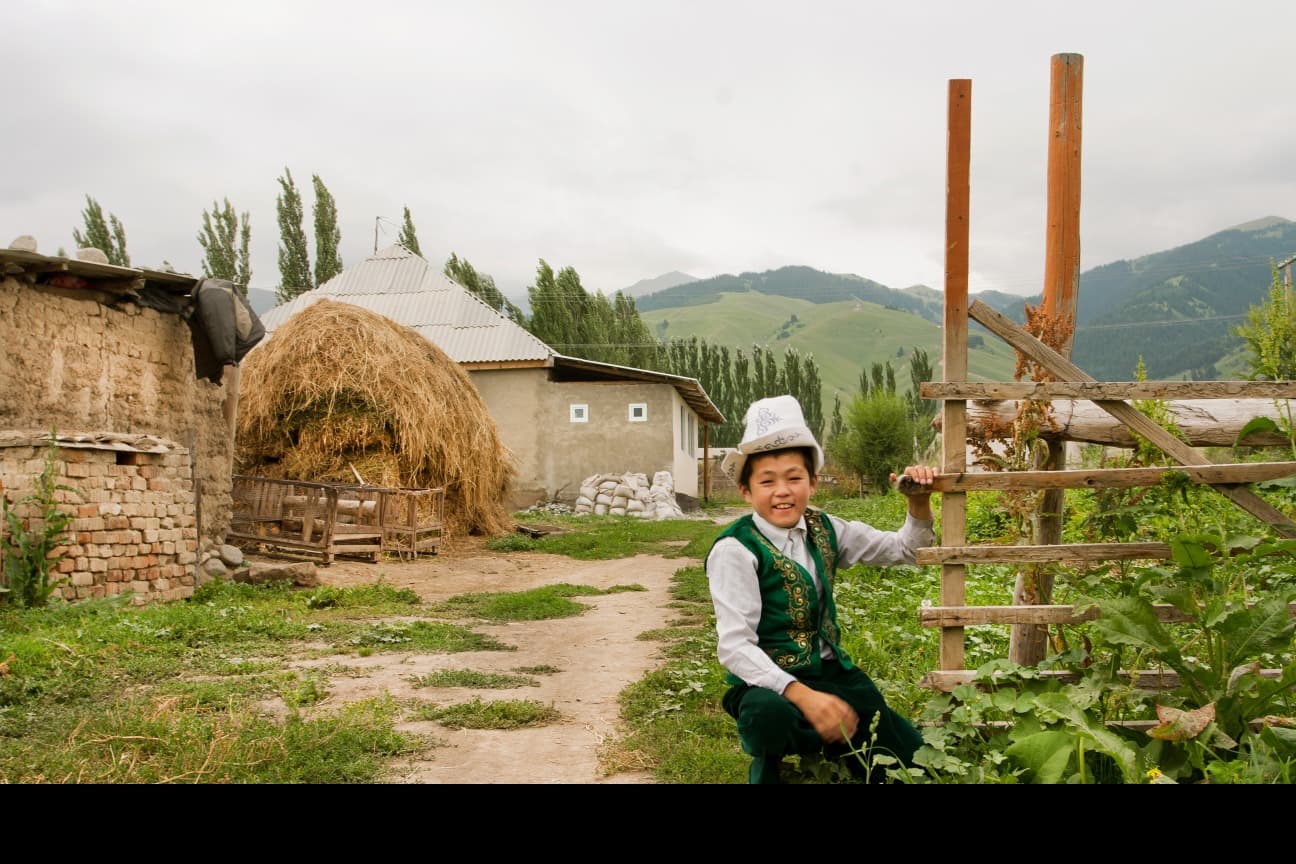
For the Kyrgyz, the kalpak is far more than a simple hat: it is a symbol of the identity of this ethnic group and, through its different shapes, colors and patterns, allows one to know the age and status of the man wearing it.
Traditionally, the kalpak can only be worn by men. Indeed, a fashion show once caused scandal by putting a kalpak on a dog's head.
Even today, the Kyrgyz show particular respect to kalpaks. For example, it is forbidden to give or sell one's kalpak, which must be passed from father to son. You must remove it with both hands and place it on a clean spot or keep it close to you. The Kyrgyz believe that if a man loses his kalpak, he loses his dignity at the same time.
With the modernization of Kyrgyzstan, the kalpak lost in popularity, but not for long. In 2016, the Kyrgyz government established a national Kalpak festival on March 5th to honor this object inherent to Kyrgyz culture. Kyrgyzstan recently established a national komuz festival, national musical instrument, with this same objective of promoting local nomadic culture.
The kalpak deciphered
There are approximately 80 types of kalpak, even though this one is only worn and produced in Kyrgyzstan. Each kalpak is chosen meticulously, as the symbols and colors are not placed randomly.
The kalpak is a reminder of the importance of nature in the life of the Kyrgyz. It represents the snow-capped mountains of the Tian Shan. Its four parts symbolize the other elements: air, water, fire and earth.
While all Kyrgyz men, children and elders, shepherds and khans, wore and still wear kalpaks, their hats differ slightly. A leader, for example, had a kalpak slightly taller than others. Each element has its own meaning, for example the pattern on kalpaks of young children represents the protective mother. At 12 years old, the decorations on the kalpak should be green, at 24, blue, at 36, brown, at 48 beige and at 60 black. A young man seeking a wife could wear a kalpak decorated with red.
Frequently asked questions
Authentic kalpaks are traditionally passed from father to son and cannot be sold. However, artisanal reproductions are available in the bazaars of Bishkek for visitors.
The kalpak is worn during major celebrations, traditional markets and during the national Kalpak festival on March 5th. Some older men still wear it daily in rural regions.
There are 80 types of kalpak that vary depending on age, social status and region. The colors of decorations change with age: green at 12 years old, blue at 24 years old, up to black at 60 years old.
Images restored from source site — reposition manually if necessary.