Big Almaty Lake
Big Almaty Lake
A glacial reservoir at 2,511 metres altitude, 15 km from Almaty, framed by the peaks of the Tian Shan within Ile-Alatau National Park.
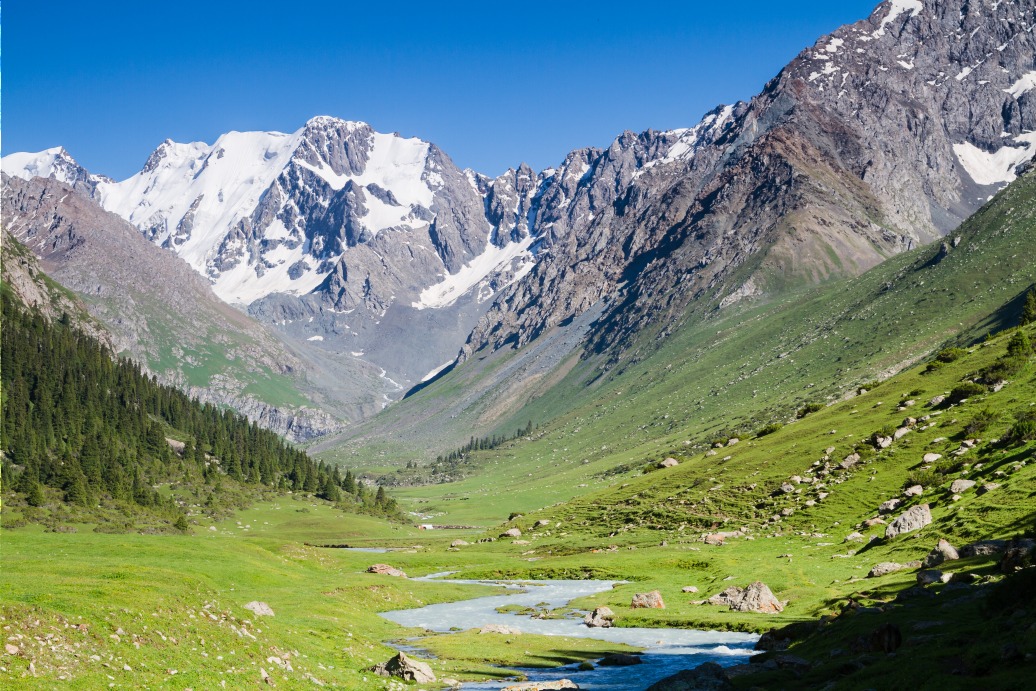
Big Almaty Lake is a natural high-altitude reservoir located in the Ile-Alatau National Park, 15 km south of central Almaty, in Kazakhstan. Perched at 2,511 metres in the Tian Shan massif, it is fed by glaciers and surrounded by peaks exceeding 4,000 metres. Although this entry relates to neighbouring Kirghizistan, the site lies in Kazakhstani territory and makes for a classic day trip from Almaty, often combined with other stops across Central Asia.
Why visit Big Almaty Lake
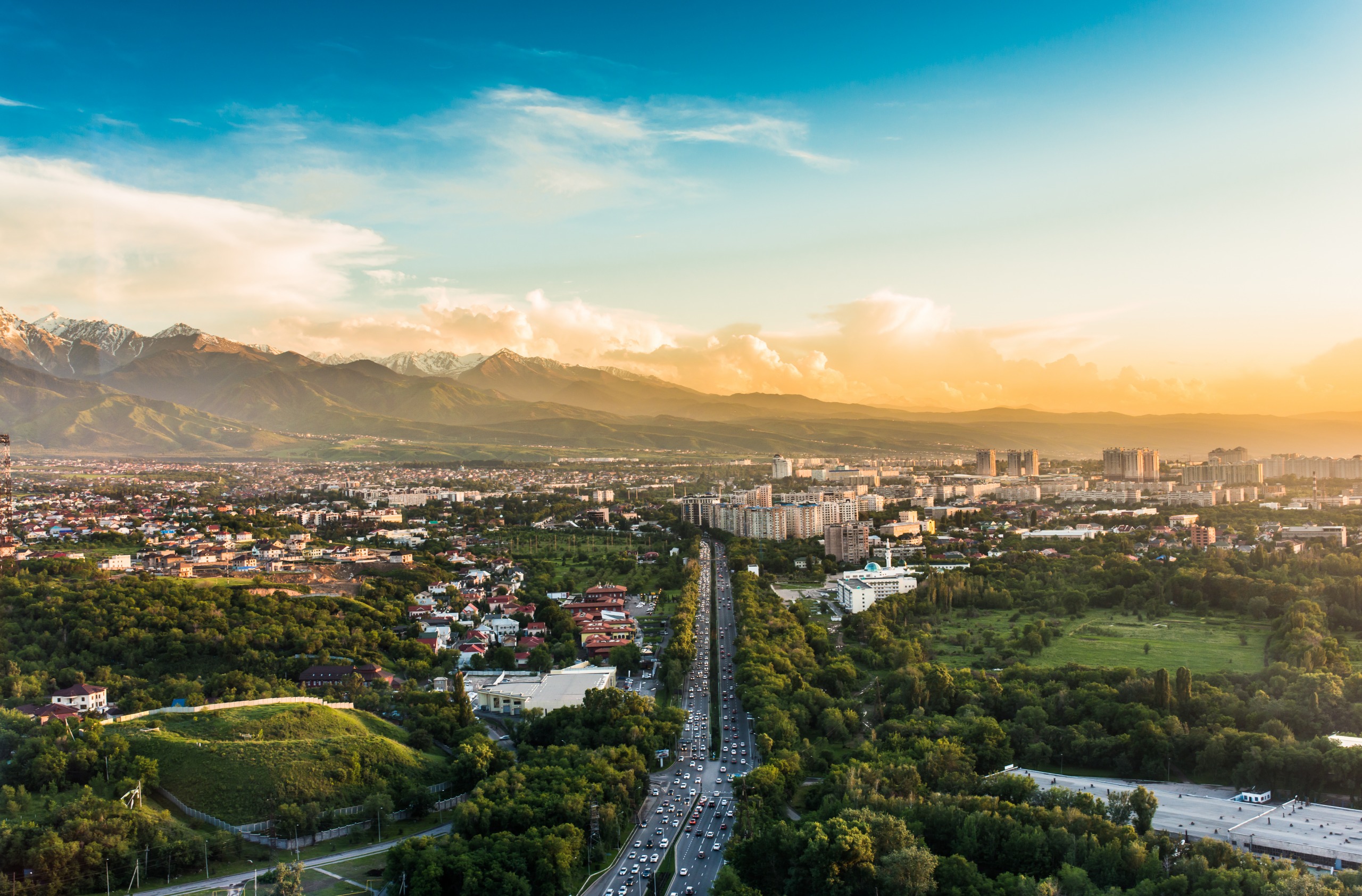
The site offers a striking contrast between Almaty's urbanism and high mountain terrain, just an hour's drive away. Here are some compelling reasons to visit:
- A glacial lake with turquoise-blue waters nestled between three Tian Shan peaks.
- A short excursion (half-day to full day) accessible without technical climbing gear.
- A protected environment, integrated into Ile-Alatau National Park.
- A starting point for hiking trails and access to the nearby astronomical observatory.
History and geology
The lake formed approximately 10,000 years ago as a result of tectonic movements linked to the seismic activity in the Almaty region, on terrain sculpted by Quaternary glaciers. Traces of this geological history remain visible in the topography: moraines, steep walls and U-shaped valleys characteristic of glacial landforms. The watershed is part of the Tian Shan massif, one of Central Asia's great mountain systems.
What to see here
The lake and its peaks
The body of water extends 1.6 km long by roughly 1 km wide, with a depth of 40 metres. From the northern shore, the panorama encompasses three Tian Shan peaks:
- Sovetov Peak (4,317 m) to the south-west.
- Ozyorny Peak (4,110 m) to the south.
- Turist Peak (3,954 m).
The water's colour shifts noticeably with the seasons and glacier melt, ranging from deep blue to milky turquoise.
Tian Shan Observatory
Near the lake, an astronomical observatory offers dining and modest accommodation. It's an option for extending your visit, particularly to enjoy the night sky, which experiences little light pollution from urban areas.
Trails and wildlife
Several marked trails lead to elevated viewpoints. Visitor numbers remain managed because the lake is Almaty's primary freshwater reservoir: off-trail exploration, swimming and camping are strictly regulated.
When to visit
The lake is a mid-mountain site with a pronounced continental climate.
- June to September: the most favourable period, clear roads, pleasant daytime temperatures, turquoise waters after snowmelt.
- May and October: shoulder seasons with contrasting landscapes but changeable high-altitude conditions.
- November to April: the lake often freezes, access sometimes closed or limited to adapted vehicles; dress warmly.
Practical information
- Controlled access: protected zone, checkpoint at park entrance, passport presentation often required.
- Entrance fee: modest entry fee to Ile-Alatau National Park.
- Visit duration: plan half a day for the round trip from Almaty, a full day if you're hiking or heading to the observatory.
- Equipment: hiking boots, windbreaker, water and snacks (few services on site).
- Restrictions: swimming forbidden, pack out all rubbish, drones require authorisation.
How to get there
From central Almaty, several options are available:
- Tour bus: regular departures in season from the Almaty stadium area, roughly 1 hour's drive through the foothills.
- Taxi or ride-sharing: the most flexible option, to be negotiated as a one-way trip or with waiting time included.
- Rental car: the road climbs to the checkpoint; beyond that, private vehicle access may be restricted depending on the season.
- Organised tour: often combined with other sites within Ile-Alatau Park.
What to see in the region
Big Almaty Lake fits into a broader Central Asian itinerary. To extend your mountain and cultural experience:
- The city of Almaty, its bazaars and museums.
- The Jety-Oguz valley, on the Kirghiz side, famous for its red cliffs.
- The Cholpon-Ata petroglyphs, on the shores of Lake Issyk-Kul.
- Ala-Too Square in Bishkek to discover the Kirghiz capital.
Frequently asked questions
Frequently asked questions
The lake is located in Kazakhstan, within Ile-Alatau National Park, 15 km south of Almaty. However, it is frequently included in regional Central Asian itineraries that also cover neighbouring Kirghizistan.
No. Big Almaty Lake is the city's primary freshwater reservoir. Swimming and any activity that could pollute the water are strictly forbidden.
Plan half a day for a simple round trip from Almaty, and a full day if you wish to hike the trails or visit the observatory.
Access is possible but often restricted: the road may be closed or reserved for equipped vehicles. The lake is usually frozen from late November through April.
An entry fee to the national park is required at the checkpoint. Bring a valid form of identification; certain periods or zones may require additional authorisation.
Plan your trip
Big Almaty Lake naturally fits into a regional circuit connecting Kazakhstan and Kirghizistan. To design your custom itinerary and combine high mountains, alpine lakes and Central Asian cities, explore our trips to Kirghizistan.
Interested in this visit?
We can include it in your personalised itinerary.