Chychkan Gorges
Chychkan Gorges
Along the Bishkek-Osh highway, Chychkan Gorges unfold spruce forests, a waterfall, protected wildlife, and local honey and tea production.
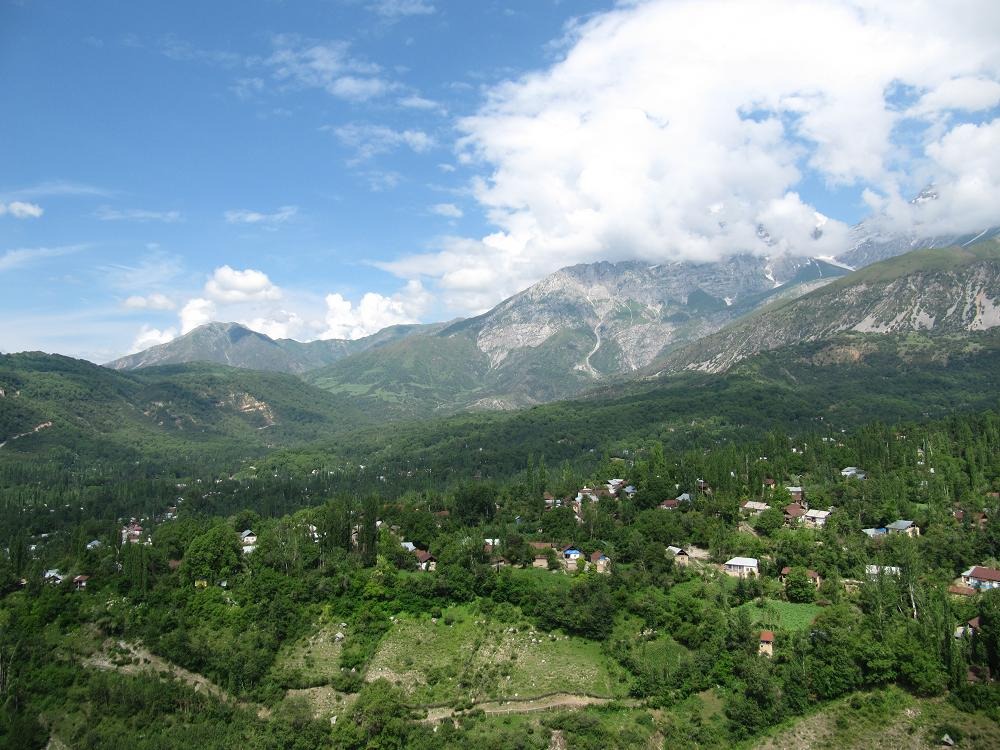
The Chychkan Gorges stretch for roughly ten kilometres along the road connecting Bishkek to Osh, in western Kyrgyzstan. This mountain corridor carved by the Chychkan River combines spruce forests, flowering meadows, a waterfall, and protected wildlife. It is one of the most striking natural stops on the route to the south of the country.
Why visit Chychkan Gorges
The site brings together several rare assets along a single road. The gorge is officially classified as a hunting reserve by Kyrgyz authorities, making it a refuge for varied mountain fauna. Its name intrigues: "Chychkan" means "mouse" in the local language, a reference to the small rodents that inhabit the undergrowth.
The region is also known for two sought-after local products: Chychkan honey, whose flavour owes to the floral diversity of the meadows, and Chychkan tea, prepared from dried leaves of mountain plants with fruity scents. You can buy these in shops along the main road.
What to see in the gorges
The Chychkan River
The river originates near the Ala-Bel Pass, fed by glacial streams from the surrounding peaks. It runs alongside the Bishkek–Osh road before emptying into the Toktogul reservoir. Turbulent for most of its course, it offers a few calmer stretches ideal for a rest stop. Local anglers try their luck along the accessible banks.
Forests, meadows and waterfall
The landscape is arranged in layers. Below, barberry, junipers, wild mulberries and meadow flowers carpet the slopes. Higher up, spruce trees cover the inclines up to the peaks, which remain snow-capped much of the year. Following the Chychkan River upstream to its confluence with the It-Agar, you reach a small alpine lake and, by way of a trail, a waterfall of roughly 8 metres that cascades into the river.
Alpine lakes at altitude
The high-altitude lakes require more serious effort: sometimes one to two days' walk is needed to reach them, on poorly marked trails. The reward is a clear view of the peaks and water of exceptional clarity. It is better to be accompanied by a local guide for these hikes.
Wildlife in the reserve
The gorge is home to several emblematic species of Central Asian mountains:
- Wild boar and roe deer in wooded areas
- Argali (mountain sheep) and Siberian ibex on rocky slopes
- Large eagles soaring above the ridges
- Rodents and small mammals in the undergrowth
Spotting wildlife requires patience and discretion, especially early in the morning or late in the day.
Practical information
Several hotels and guesthouses line the main road through the gorge, allowing you to make a one-night stop rather than just a quick photo break. Allow half a day if you are simply passing through the area, and one to two days to explore the trails and waterfall.
A few useful recommendations:
- Pack warm clothing: even in summer, the altitude brings cool evenings
- A waterproof jacket is essential; showers are frequent
- Bring water and snacks; services are limited outside hotels
- For hikes to the lakes, hire a local guide
When to go
The best period runs from May through late September. Before the end of spring, the passes and certain secondary roads remain blocked by snow. In summer, daytime temperatures are pleasant but rain can fall several times a day, especially at altitude. Between late August and September, foliage takes on autumn hues that transform the palette of the slopes. Winter is best avoided for hiking and wildlife observation.
How to get there
Chychkan Gorges are located on the M-41 road linking Bishkek to Osh, one of Kyrgyzstan's busiest highways. Several options:
- From Bishkek: roughly 5 to 6 hours' drive southwest, after crossing the Töö-Ashuu and Ala-Bel passes
- From Osh: longer journey, around 8 to 10 hours northeast
- By minibus or regional bus: Bishkek–Osh connections stop in the area; ask to be dropped off in the gorge
- By private car with driver: the most flexible option for stopping at points of interest
The gorge is also a logical stop on the way to Jety-Oguz or on a loop towards southern sites.
What to see nearby
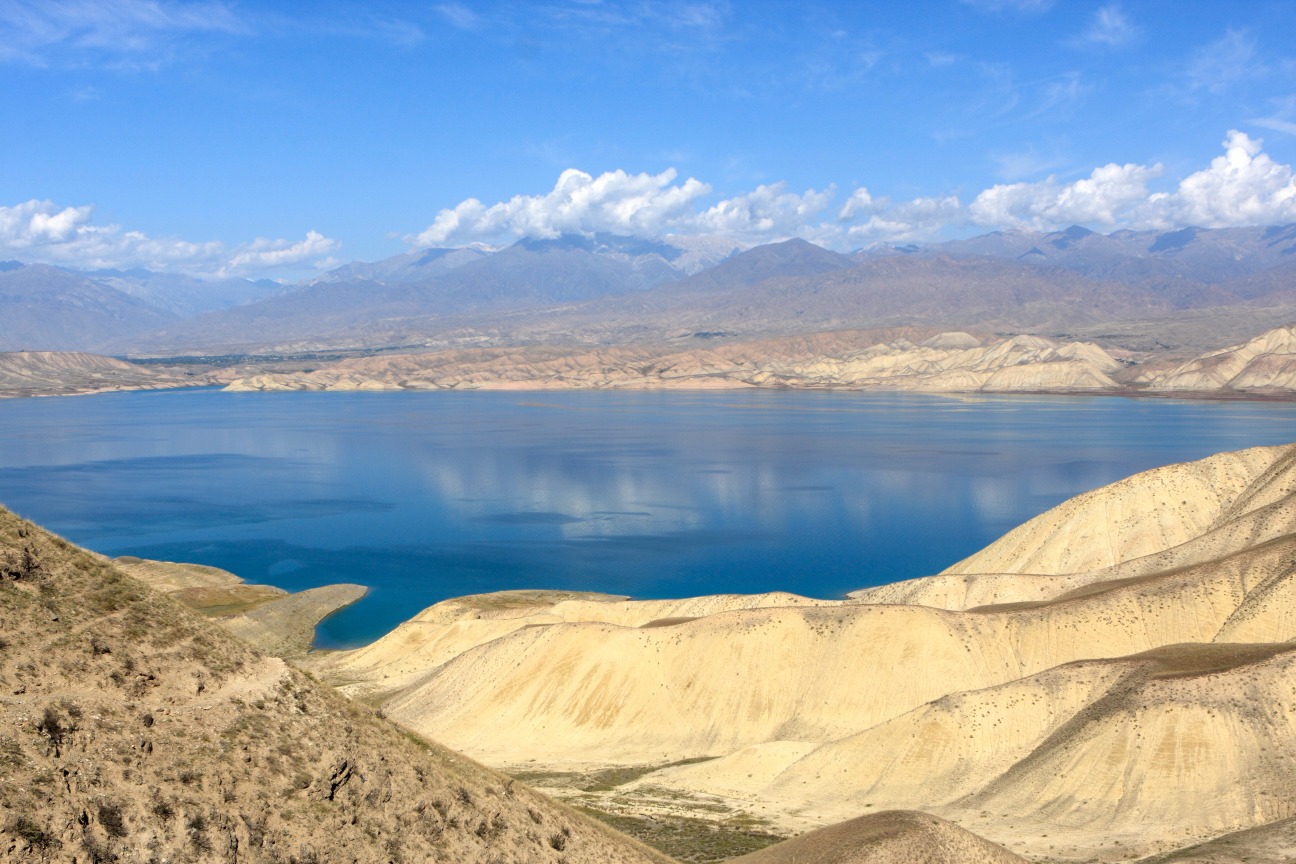
- The Toktogul Reservoir, a vast man-made lake a few kilometres downstream
- Ala-Bel Pass, the source of the Chychkan River
- The Jety-Oguz valley and its red cliffs, further east
- The Cholpon-Ata petroglyphs on the road to Lake Issyk-Kul
Frequently asked questions
Frequently asked questions
They are situated in western Kyrgyzstan, on the M-41 road between Bishkek and Osh, near the Toktogul Reservoir. The gorge originates at Ala-Bel Pass and extends southward for roughly ten kilometres.
"Chychkan" means "mouse" in Kyrgyz, referring to the rodents and small mammals that inhabit the undergrowth of the region.
The river banks and waterfall are accessible without a guide. However, to reach the alpine lakes at altitude, accompaniment by a local guide is strongly recommended: trails are poorly marked and weather is changeable.
May through late September. Before May, snow still blocks certain access points. In September, autumn colours are particularly beautiful.
The river is generally turbulent and cold. A few calmer stretches allow you to cool your feet in the water, but prolonged swimming is not recommended.
Preparing your trip
Chychkan Gorges fit naturally into an itinerary linking the north and south of Kyrgyzstan. To build a tour that combines mountains, lakes and historic cities, see our suggestions for travel in Kyrgyzstan.
Interested in this visit?
We can include it in your personalised itinerary.