Hazrati Imam Square
Hazrati Imam Square
Historic religious center of Tashkent, Hazrati Imam Square brings together a mausoleum, madrassas, mosques and the famous Quran of Uthman in the old city.
Hazrati Imam Square, also known as Hast-Imam, is the principal historic religious center of Tashkent, capital of Uzbekistan. Located north of the Chorsu Bazaar, in the old city, it brings together mausoleums, madrassas, mosques and a library on one integrated complex. The site comprises buildings constructed at different periods, from the original mausoleum reconstructed in 1541 to the main mosque erected in 2007.
Why visit Hazrati Imam Square
The site concentrates several major attractions in a single location:
- the tomb of Imam Abu Bakr Muhammad Kaffal Shashi, known as Hazrati (the Holy Imam), a 10th-century figure;
- a library of approximately 20,000 books and manuscripts, including Qurans translated into more than thirty languages;
- the Quran of Uthman, a manuscript housed in the museum and inscribed in UNESCO's Memory of the World register;
- a relic venerated by the faithful: hairs attributed to the Prophet Muhammad;
- a coherent architectural ensemble that still serves today as a spiritual center, home to the Spiritual Administration of Muslims of Uzbekistan.
History of the place and Imam Hazrati
The imam after whom the complex is named was called Abu Bakr Muhammad Kaffal Shashi, nicknamed Hazrati, "the Holy Imam." A native of Tashkent, he lived in the 10th century and left his mark on the city through his religious teaching and scholarship. Local tradition presents him as a polyglot scholar: he is credited with mastery of more than seventy languages, a hagiographic figure better understood as a tribute to his influence than as a verifiable fact.
He died at age 73. His tomb quickly became a pilgrimage site, around which a genuine religious center developed over the centuries. The current mausoleum, rebuilt several times, took its rectangular form in 1541. Other buildings were added in the 16th century, and the complex was completed in the 21st century by a large congregational mosque.
What to see on the site
The mausoleum of Kaffal Shashi
Located at the northwest corner of the complex, it is the oldest building. Reconstructed in 1541 in its present rectangular form, its terracotta brick wall is decorated with majolicas adorned with floral motifs and poems. The names of the architect and calligrapher are inscribed on one of the facades. Several disciples and notables of the period are buried nearby.
The madrassa of Barak-khan
Built in the 16th century south of the mausoleum, it takes its name from the sovereign Barak Khan, meaning "the fortunate ruler." It houses two mausoleums: that of Suyunchkhoja Khan, father of Barak Khan, and another designated as the "Unnamed" mausoleum. The main facade is articulated by niches decorated with oriental motifs.
The madrassa of Muyi Muborak
Also dating from the 16th century, it originally served to lodge pilgrims before being converted into a madrassa. It now houses a library and museum. Here are preserved the hairs attributed to the Prophet Muhammad, as well as a collection of approximately 20,000 works, including Qurans translated into more than thirty languages.
The centerpiece of the museum is the Quran of Uthman, written on gazelle skin. Tradition dates it to the years 644-648 and presents it as the oldest written version of the Quran; contemporary paleographers lean toward an 8th-century dating. It is inscribed in UNESCO's Memory of the World register. Brown stains are visible on certain pages, which tradition identifies as the blood of Caliph Uthman, who was assassinated, it is said, while reading this manuscript.
The Hazrati Imam Mosque
Built in 2007 in a style inspired by the 16th century, it closes the east side of the site. It is recognized by its two blue domes and two minarets about fifty meters tall. The interior is adorned with gold leaf, and the building is surrounded by a garden planted with various species.
Other buildings
The complex also includes the Tilla Sheikh Mosque, the Namazgokh Mosque, the Islamic Institute of Imam al-Bukhari and the headquarters of the Spiritual Administration of Muslims of Uzbekistan.
Practical information
- Access: the square is located in Tashkent's old city, within easy walking distance of Chorsu Bazaar. The Tinchlik and Chorsu metro stations are closest; a taxi from the center costs a moderate fare.
- Visit duration: allow 1 to 2 hours to explore the entire site and visit the museum.
- Admission: access to the square is free. Museum and library entry is paid, at a moderate rate.
- Dress code: the site remains an active place of worship. Shoulders and knees covered for everyone; a headscarf recommended for women at mosque entrances. Removal of shoes required inside prayer halls.
- Photography: generally permitted outside; possible restrictions in the museum and during prayers.
When to visit
Tashkent experiences a continental climate: hot, dry summers and cold winters. The most pleasant periods are spring (April-May) and autumn (September-October), with mild temperatures and favorable light for photographing the majolicas. In summer, it is best to visit early in the morning or late in the afternoon. On Friday midday, crowds increase noticeably due to the major prayer.
Nearby
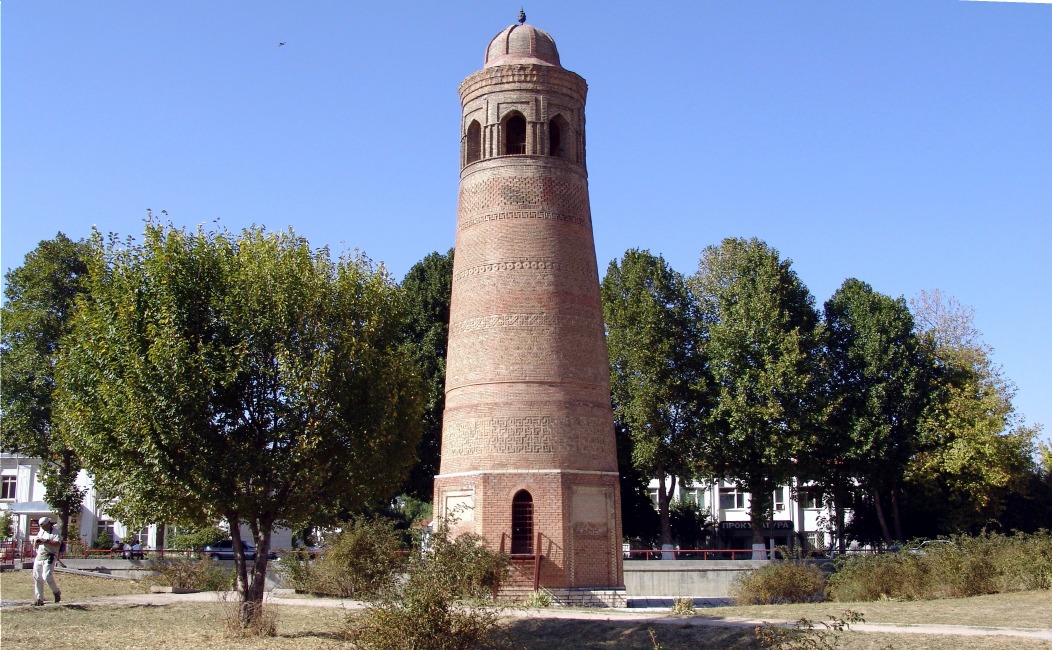
Hazrati Imam Square is part of the old city circuit of Tashkent. A few minutes' walk to the south, Chorsu Bazaar and its turquoise dome naturally extend the visit. For those continuing their journey in Central Asia, the Afrasiab Museum in Samarkand complements the discovery of regional history, while the Burana Minaret and the Ala-Too Square in Bishkek are accessible in neighboring Kyrgyzstan.
Frequently asked questions
Frequently asked questions
Yes. The entire complex can be visited freely, including by non-Muslim visitors, provided you observe appropriate dress and maintain silence during prayer times.
Yes, it is displayed in the museum of the Muyi Muborak madrassa, behind glass. Photography is generally prohibited there.
One to two hours are sufficient to tour the site, visit the mausoleum, main mosque and museum. Allow more if you combine it with Chorsu Bazaar.
The metro is the simplest option: get off at Chorsu or Tinchlik, then allow about ten minutes on foot. Taxis and ride-sharing services also serve the site at moderate fares.
Yes. Hazrati Imam Square is located in Tashkent, capital of Uzbekistan, not Kyrgyzstan. The two countries are neighbors in Central Asia and often appear together in regional itineraries.
Incorporating Hazrati Imam Square into your journey
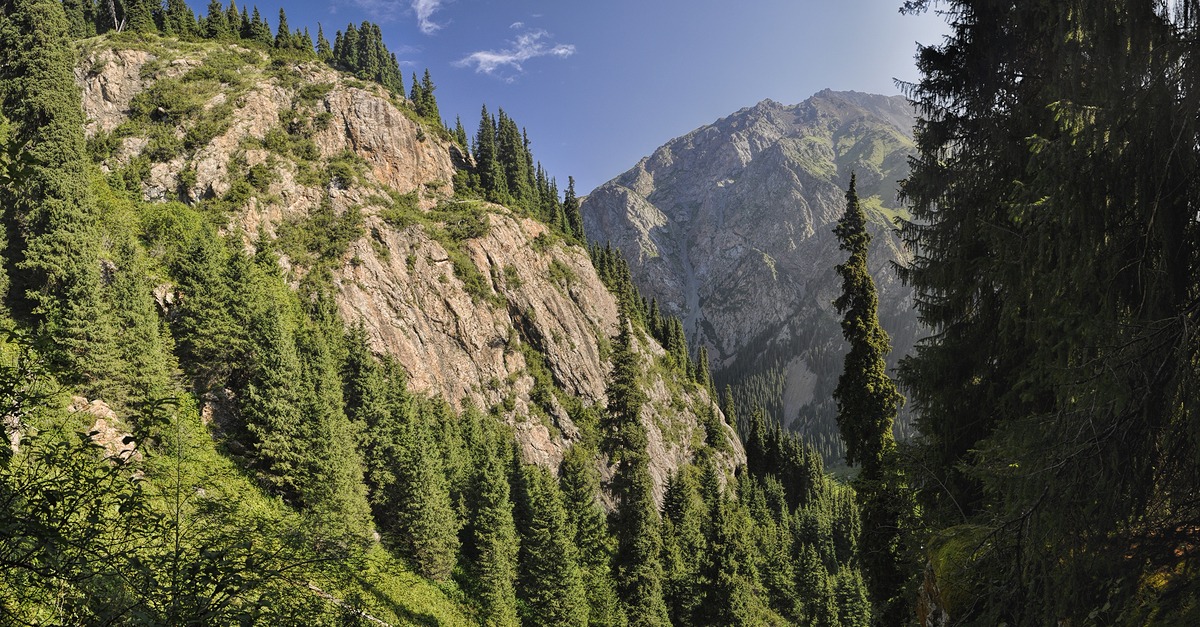
Tashkent is a frequent entry point to Central Asia, and Hazrati Imam Square naturally integrates into an itinerary connecting Uzbekistan to neighboring Kyrgyzstan. To build a custom itinerary combining Islamic heritage, Tian Shan mountains and Silk Road cities, consult our Kyrgyzstan travels and their regional extensions.
Interested in this visit?
We can include it in your personalised itinerary.