Sulaiman
Sulaiman
Kyrgyzstan's first UNESCO inscription, Sulaiman Too rises above Osh with its five peaks, medieval sanctuaries, and caves adorned with petroglyphs.
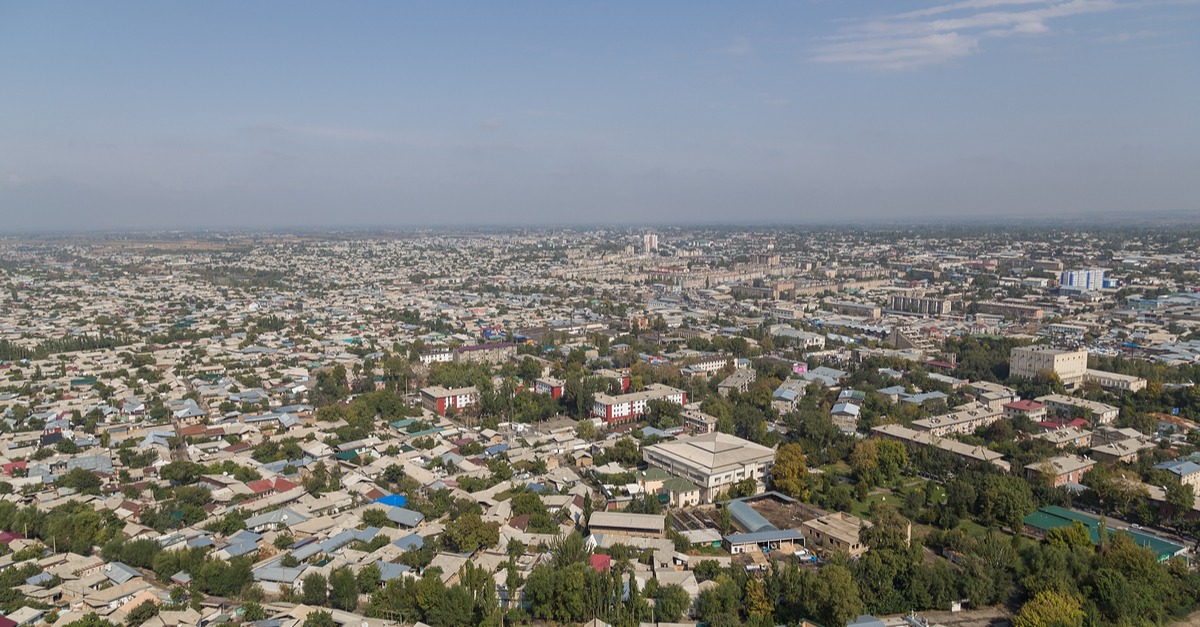
Standing at 175 meters above the Fergana Valley and the city of Osh, the mountain of Sulaiman Too has long served as a landmark for travelers traversing the Silk Roads. Its five peaks guided merchants and pilgrims across Central Asia for centuries. In 2009, the site became Kyrgyzstan's first property inscribed on the UNESCO World Heritage List, which describes it as an "exceptional spiritual landscape reflecting both Islamic and pre-Islamic beliefs."
Why visit Sulaiman Too
Sulaiman Too concentrates, within a single rocky eminence at the heart of Osh, more than a millennium of spirituality, medieval sanctuaries, caves adorned with petroglyphs, and panoramic views over the Fergana Valley. The mountain remains an active pilgrimage site: today it hosts 17 active ritual sites, frequented by both local inhabitants and travelers seeking to understand the coexistence of Islamic and pre-Islamic cults in Central Asia.
- Kyrgyzstan's first UNESCO site (2009)
- Potential place of worship since the Bronze Age
- 16th-century mosques, House of Babur (15th century), caves adorned with petroglyphs
- Short ascent (approximately 20 minutes) accessible from central Osh
History of a sacred mountain
The earliest known mention of Sulaiman Too appears in a 13th-century Chinese text, which describes a city named Davan, a supplier of horses, nestled against a highly venerated mountain. In the 15th century, the summit is designated in Farsi as Bara-Kukh, meaning "beautiful mountain." Its current name appears only at the beginning of the 18th century, derived from an Arabic legend claiming that the prophet Sulaiman once stayed in this place. From the 19th century onward, several scientific missions investigated the legends, rituals, and places of worship with reputed healing powers associated with its slopes and caves.
While Islamic attachment is central today, scholars believe the mountain served as a place of worship since the Bronze Age. During the Soviet era, authorities attempted to eradicate religious practices: an observation platform was constructed, several sanctuaries were demolished, and a restaurant was opened in the natural Rusha-Unkur cave, later transformed into a museum. Despite these interventions, pilgrimages never ceased.
What to see on Sulaiman Too
Sanctuaries and places of worship
An ancient path network traverses the peaks and slopes, connecting ritual sites and caves adorned with petroglyphs depicting humans, animals, and geometric forms. Among the buildings worth visiting:
- Dom Babura (House of Babur), dating from the 15th century, a prayer site of Zahiruddin Babur, founder of the Mughal dynasty.
- Taskht-I Sulaiman and Rawwat-Abdullakhan Mosques, erected in the 16th century. Entirely reconstructed, they merit a visit for their memorial value.
- Ene-Beshik Cave, known as the "fertility cave," visited by women seeking childbearing.
At the ritual sites, small colored prayer flags flutter near entrances. In rock crevices, pieces of paper are inserted by pilgrims—wishes entrusted to the mountain. It is best not to touch them.
The Historical-Cultural Museum
Built directly into the rockface, the Historical-Cultural Museum features a façade that visually detracts from the mountain, a regular subject of heritage debates. Inside are displayed ceramic and metal artifacts dating from the 11th century, handicraft objects, paintings, and sculptures. The exit staircase, flanked by taxidermied animals, leads to an observation platform offering clear views of Osh and the valley.
Practical information
- Duration of visit: allow 2 to 3 hours to combine the ascent, sanctuaries, and museum.
- Ascent: approximately 20 minutes via a paved staircase, without particular difficulty.
- Fees: modest entry for the mountain, supplementary fee for the Historical-Cultural Museum.
- Attire: closed-toe shoes recommended, modest clothing out of respect for the site's religious character.
- To avoid: do not remove papers inserted in crevices, nor flags attached to sanctuaries.
When to visit
Osh benefits from a warmer climate than the north of the country. The ascent to Sulaiman Too is passable year-round, but the most comfortable periods are spring (April–June) and early autumn (September–October), when temperatures are moderate and visibility across the valley is optimal. Summer can be very hot in Osh, with challenging afternoons; prefer an early-morning ascent in such seasons. In winter, the staircase can be slippery after snowfall.
How to get there
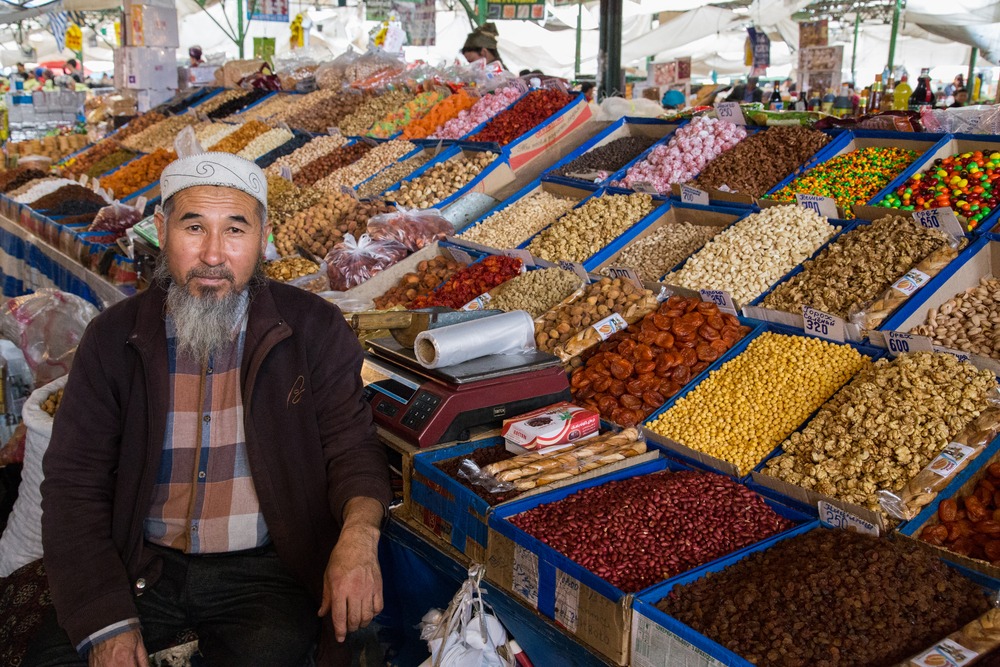
The arch marking the start of the ascent is located near Osh's library, on Kurmanjan Datka Avenue, a short distance from the central bazaar. The site is accessible on foot from most central accommodations.
From Bishkek, two main options connect the capital to Osh:
- Shared taxi (marshrutka): approximately 10 to 14 hours of driving, via high mountain passes. The journey is spectacular but long and demanding.
- Airplane: several daily flights, approximately 1 hour of flight time. The recommended option to preserve travel time.
To see in the surroundings
Osh is a convenient departure point for exploring southern Kyrgyzstan and complementing a cultural discovery of the country. A few supplementary sites:
- Hazrati Imam Square: emblematic religious complex of the region.
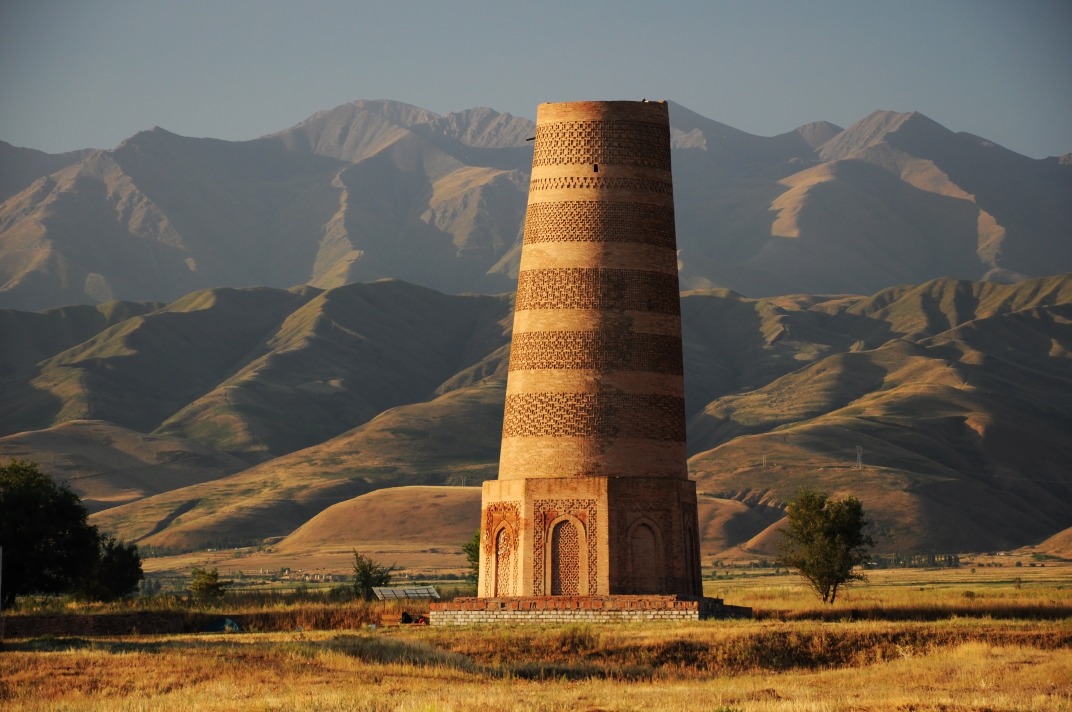
- Burana Minaret: Karakhanid remnant located near Bishkek, another major stop on the Silk Roads.
- National History Museum: to place Sulaiman Too within Kyrgyzstan's broader history.
- Manas Monument: tribute to the national epic hero.
FAQ
Frequently asked questions
Prepare your journey
Sulaiman Too naturally fits into an itinerary connecting Bishkek, Lake Issyk-Kul, and the Fergana Valley. To plan a custom stay including Osh and southern routes, consult our trips to Kyrgyzstan.
Interested in this visit?
We can include it in your personalised itinerary.