Central State Museum of Kazakhstan
Central State Museum of Kazakhstan
In Almaty, the Central State Museum of Kazakhstan houses over 300,000 objects across seven galleries: archaeology, Scythian gold, Kazakh ethnography, and modern history.
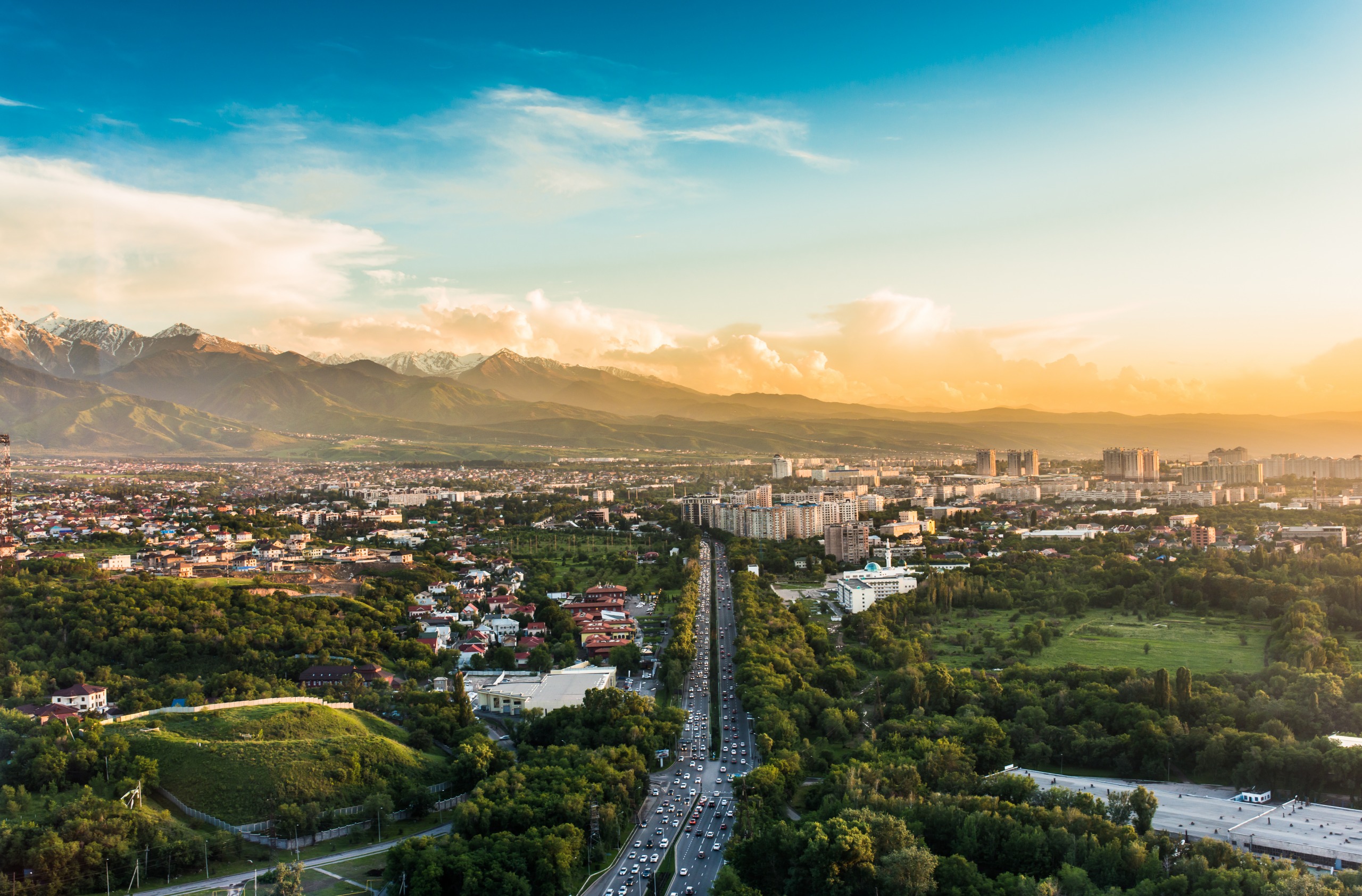
The Central State Museum of Kazakhstan ranks among the country's oldest and most expansive museum establishments. With a floor area of 17,557 m² and over 300,000 objects in its collection, it covers paleontology, archaeology, and ethnography across Kazakh territory. It is located in Almaty, the former capital and second-largest city of Kazakhstan.
Why visit this museum
The museum brings together, across seven galleries, the essential elements for understanding Kazakhstan: prehistory, the nomadic period, the imperial era, the Soviet age, and independence. The Scythian gold collection, dating from the 7th–6th century BCE to the 1st–2nd century CE, stands out for anyone interested in steppe art. Ethnographic pieces—yurts, embroidery, weapons, and costumes—illuminate traditional Kazakh culture, while the modern galleries contextualize the country's human diversity. Allow 1.5 to 2.5 hours for your visit, depending on your level of interest.
Museum history
Initial collections were assembled in the 1920s and displayed across several Almaty museums. In 1931, the institution moved into the former Almaty cathedral and acquired the collection from the republican anti-religious museum, substantially expanding its holdings.
The museum has occupied its current building since 1985, a structure specifically designed to house its collections. In 2005, it gained the status of research organization, enabling it to conduct its own archaeological and ethnographic expeditions. In 2006, it participated for the first time in Museum Night, an event it has since integrated into its annual programming.
What to see in the collections
Holdings are distributed across seven exhibition galleries with distinct themes.
Paleontology and archaeology
This first section assembles objects from over 300 archaeological sites across Kazakhstan: fish and insect remains, osteological materials, petrified tree fragments, ancient spores and pollen. The archaeological section features reconstructions of funerary and ceremonial structures, examples of medieval architecture, and dioramas created from authentic vestiges.
Kazakh historical ethnography
The gallery traces traditional Kazakh culture through 18th and 19th-century weapons, jewelry, carpets, embroidery, and clothing. A full-scale yurt, furnished authentically, provides insight into the organization of nomadic dwellings. Two pieces stand out particularly:
- an embroidery in gold thread created by Fatima, wife of Zhangir, the last khan of Bukeevskaya Orda;
- the military uniform of the Sultan of Arystan, decorated with Quranic verses.
Peoples of Kazakhstan
This gallery addresses communities that have lived and continue to live on Kazakh territory: Russians, Ukrainians, Belarusians, Germans, Chechens, Circassians, Turks, Kurds, among others. Photographs, rare documents, and domestic objects trace their settlement, often linked to forced displacements during the Soviet era. A section specifically addresses Kazakhstan during World War II.
Modern Kazakhstan
The space presents the country's history since independence in 1991: the national emblem, flag, stamps, banknotes, and objects illustrating economic, health, educational, scientific, and sporting development.
Scythian gold
The gallery houses gold objects found in burial mounds, dating from the 7th–6th century BCE—the start of the nomadic era—through the 1st–2nd century CE. It also displays remains from the Otrar-Karatau culture (4th–5th century CE). This is among the museum's most visited sections.
Anthropology
The gallery examines human development from prehistory and traces the ethno-genetic history of the Kazakh nation through osteological material and reconstructions.
Nikolai Khludov Hall
Nikolai Gavrilovich Khludov (1850–1935), a Russian painter, ethnographer, and historian, settled in Kazakhstan in 1879. His work focused on traditional Kazakh culture and local landscapes. The hall dedicated to him houses approximately 200 paintings.
Practical information
The museum is open daily except Tuesday, during daytime hours. General admission is modest, but additional fees apply to access the most valuable sections (gold gallery, Khludov hall, anthropology gallery). Verify opening hours and prices before your visit, as this information changes regularly.
Address: Samal-1, 44, Almaty 050059.
How to get there
The museum is located in the Samal district, south of Almaty. The Abai metro station is approximately 1,100 meters away, roughly a 12-minute walk. Several bus lines serve the area, and taxis (local apps like Yandex Go) remain an economical option for reaching the museum from the city center.
Nearby attractions
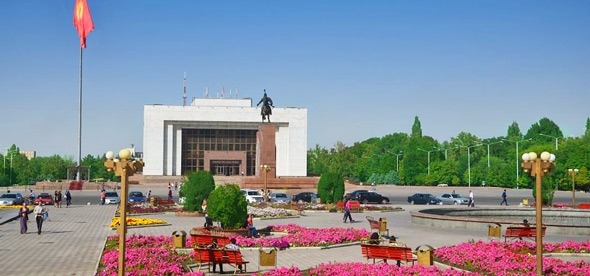
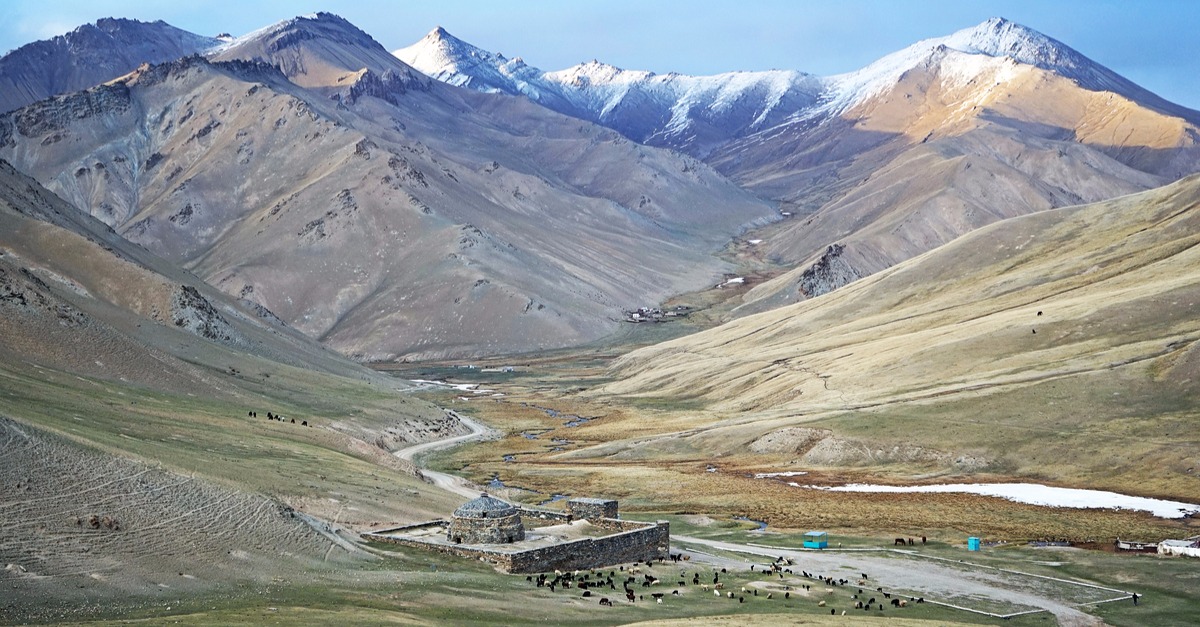
A visit pairs easily with other sites in Almaty. For those extending travel through Central Asia, several sites complement the regional picture: Ala-Too Square in Bishkek, the Burana minaret in the Chu Valley, the Cholpon-Ata petroglyphs on the shores of Issyk-Kul Lake, or the Afrasiab Museum in Samarkand to deepen your archaeological journey.
Frequently asked questions
Frequently asked questions
Allow 1.5 to 2.5 hours depending on your interest in archaeology and ethnography. A thorough visit to all seven galleries can take up half a day.
Labels are primarily in Kazakh and Russian. Some English-language signage exists, but a guided tour or audioguide is recommended to fully appreciate the collections.
Yes, the gold gallery, Khludov hall, and anthropology gallery require an additional ticket purchased on-site. Overall costs remain accessible.
The museum is worth visiting year-round. Weekday mornings are quietest; Saturdays and Museum Night (May) draw larger crowds.
Yes, particularly the paleontology galleries, the reconstructed yurt, and the gold collection, which readily capture young visitors' attention.
Plan your trip
The Central State Museum fits naturally into a Central Asia itinerary connecting Almaty to neighboring Kirghizistan. To build a custom journey, consult our trips to Kirghizistan and their extensions toward Kazakhstan.
Interested in this visit?
We can include it in your personalised itinerary.